Horizontal-axis turbines (HAWT)
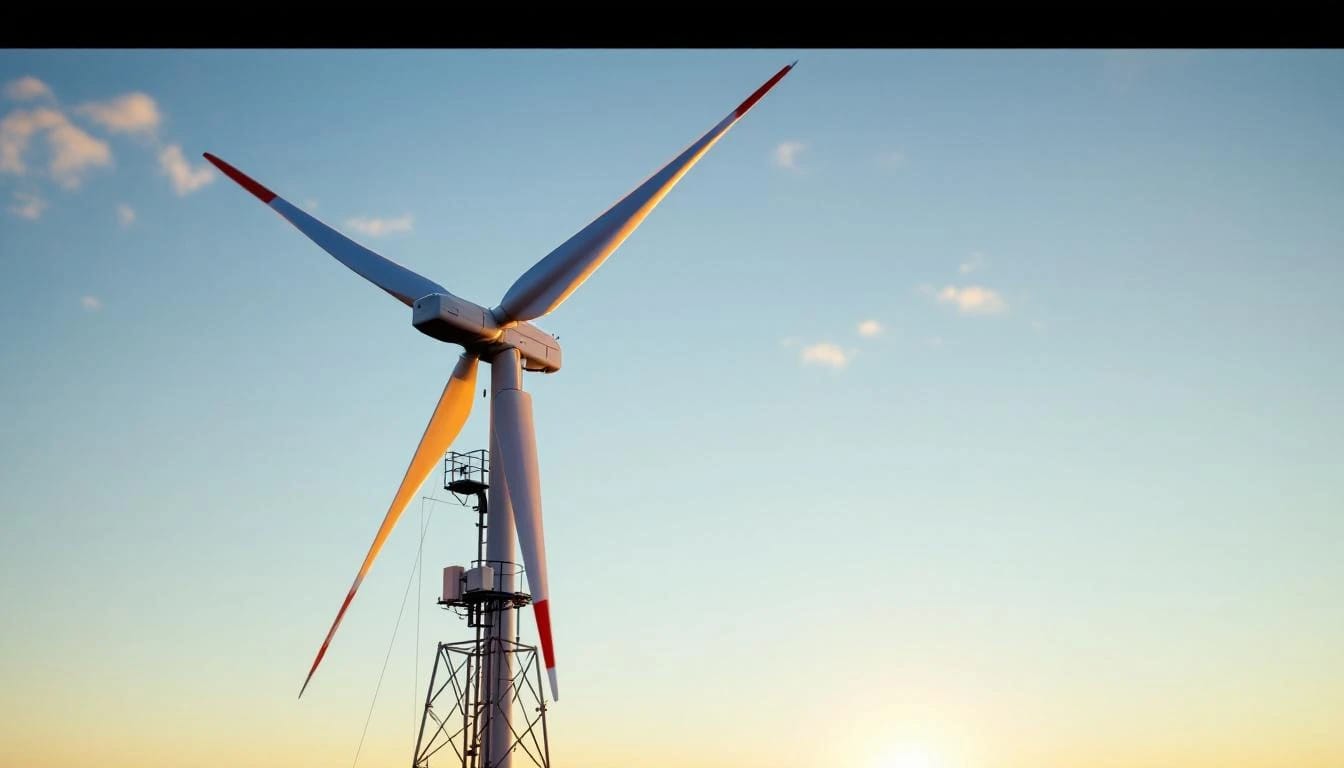
Horizontal-axis wind turbines (HAWTs) are the familiar three-blade machines that dominate both utility and home-scale wind. The rotor faces into the wind and is kept aligned by a tail vane (small turbines) or a yaw motor (larger ones).
HAWTs deliver the highest energy capture per swept area, which is why nearly every serious residential system uses one. The trade-off is that they need to sit on a tall tower in clean, undisturbed wind, and they manage overspeed in storms through furling or blade pitch.
Guides & reviews

horizontal axis turbines
Cut-In Wind Speed: What It Is and Why It Matters for Home Turbines
Cut-in wind speed determines when your turbine starts generating power. Learn why this 6-9 mph threshold affects your energy production and ROI more than rated power.

horizontal axis turbines
Downwind vs Upwind Turbines: How Yawing Affects Performance
Upwind turbines capture cleaner airflow but need active yaw control. Downwind designs self-align but suffer tower shadow losses. Learn how configuration affects your small wind system's output.

horizontal axis turbines
How Tall Should Your HAWT Tower Be? The 30-Foot Rule Explained
Tower height determines wind turbine output. The 30-foot rule—placing your turbine 30 feet above obstacles within 500 feet—maximizes energy capture and ROI.

horizontal axis turbines
Three-Blade vs Two-Blade Wind Turbine Rotors: Performance Guide
Three-blade rotors deliver smoother operation and better performance for residential wind turbines, while two-blade designs offer lower costs and simpler maintenance.

horizontal axis turbines
How High Does a Home Wind Turbine Need to Be? Tower Height Guide
Home wind turbines need 30+ feet of clearance above nearby obstacles within 500 feet. Most residential installations require 80-120 foot towers for adequate wind exposure.
horizontal axis turbines
HAWT vs VAWT for Residential Use: Which Turbine Wins on Your Roof
Horizontal-axis wind turbines (HAWTs) dominate residential installs with 40-60% efficiency vs. 25-40% for vertical-axis (VAWTs), but roof-mount VAWTs handle turbulent urban wind better.
Frequently asked questions
- Why do most home wind turbines use a horizontal-axis design?
- Because it is the most efficient and most proven layout. For a given rotor diameter and wind speed, a HAWT produces more energy than a comparable vertical-axis turbine, and decades of field data back up its reliability.
- How does a HAWT survive high winds?
- Small HAWTs protect themselves by furling — the rotor tilts or turns sideways out of the wind above a set speed. Larger machines feather the blades by changing their pitch. Both limit rotor speed and load so the turbine is not destroyed in a storm.
- How tall does the tower need to be?
- A common rule is that the rotor should clear any obstacle within about 500 feet by at least 30 feet. In practice most residential HAWTs sit on towers of 60–120 feet; taller towers reach faster, smoother wind and routinely add more energy than a bigger turbine on a short tower.