Residential wind power systems
Residential wind power means generating your own electricity at home with a turbine in the roughly 1–10 kW range, either feeding the grid through net metering or charging batteries off-grid.
Whether it pays off depends almost entirely on your wind resource and tower height. A good site with average wind of 10+ mph and an unobstructed tower can offset a meaningful share of a home's electricity; a sheltered suburban lot usually cannot. Federal and state incentives can shorten payback significantly.
Guides & reviews
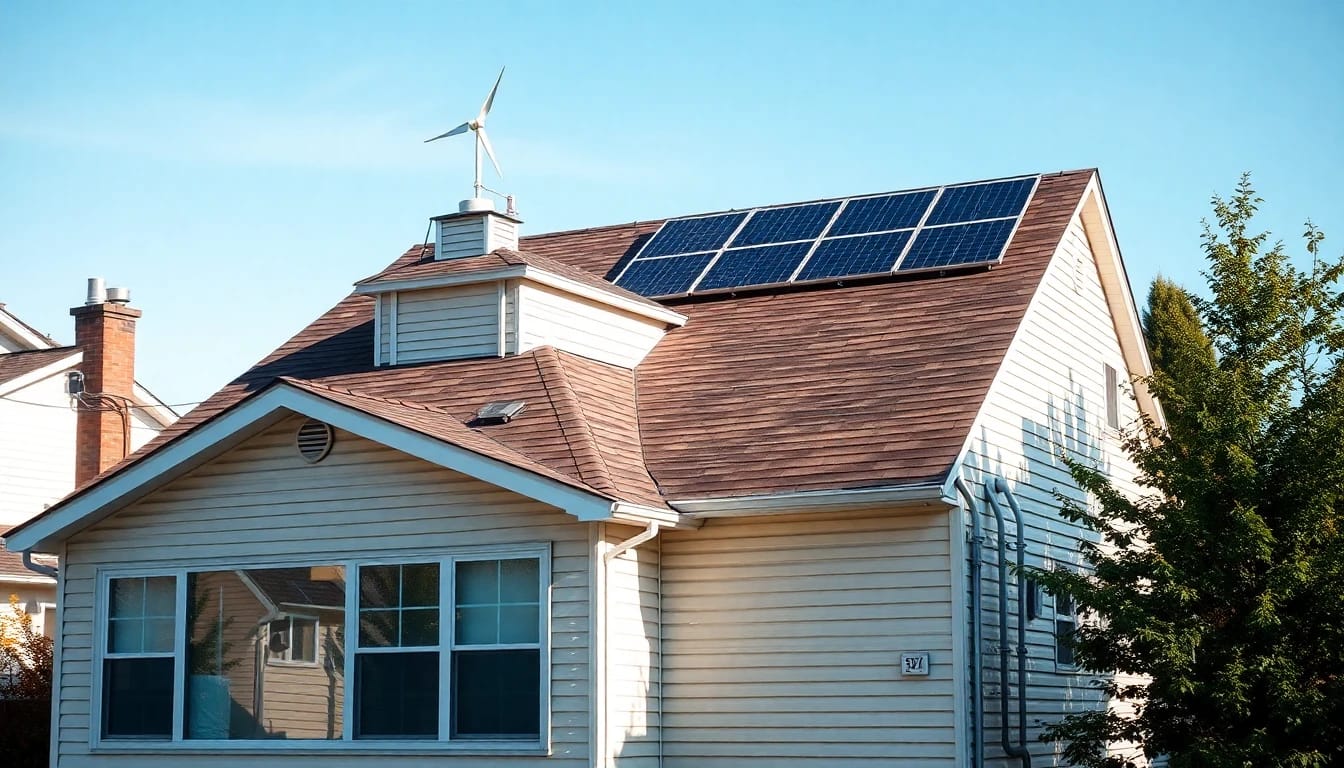
residential wind power
Home Wind Turbine: A Comprehensive US Buyer's Guide 2024
Explore the realities of owning a home wind turbine in the US, covering costs, energy output, installation requirements, and available federal and state incentives for homeowners considering small-scale wind power.
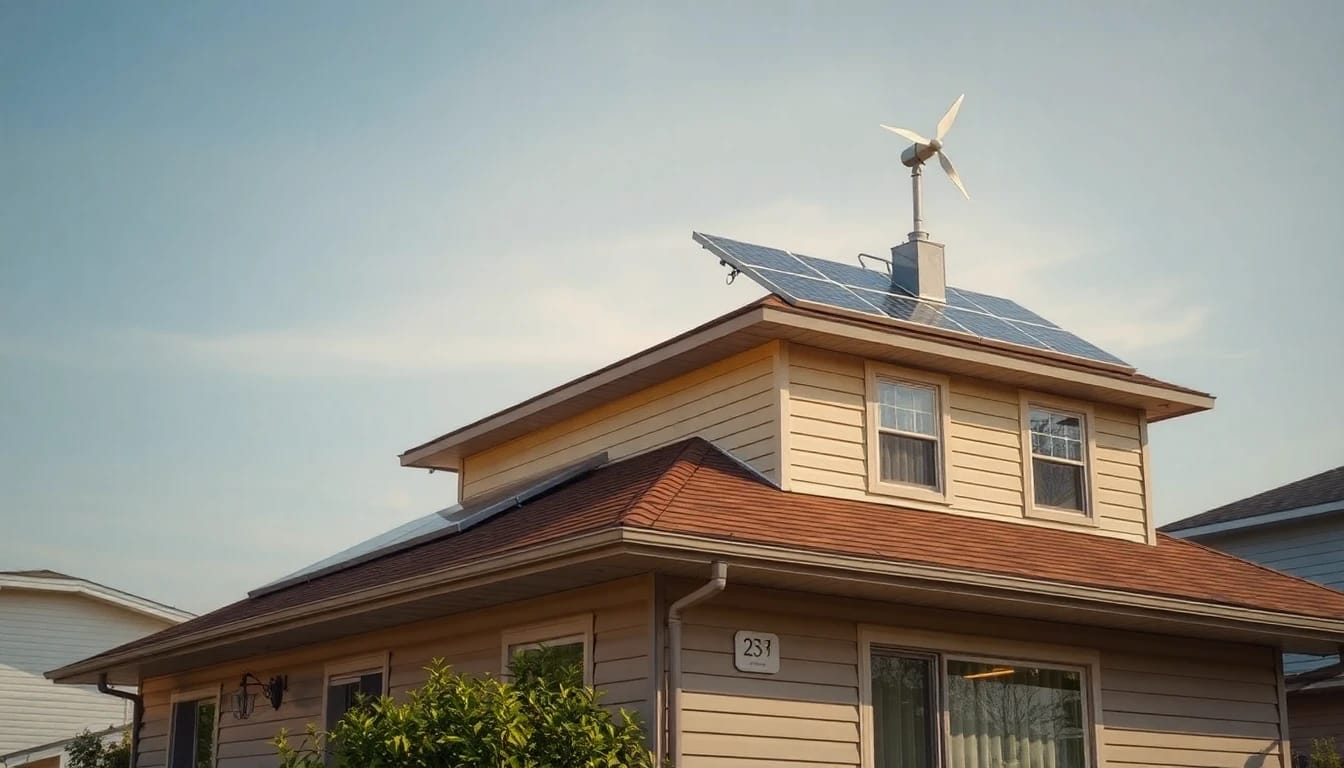
residential wind power
Home Wind Turbine Systems: A Complete 2024 Buyer's Guide
Explore the realities of a home wind turbine system for residential power, covering installation, costs, grid-tie considerations, and US federal incentives.
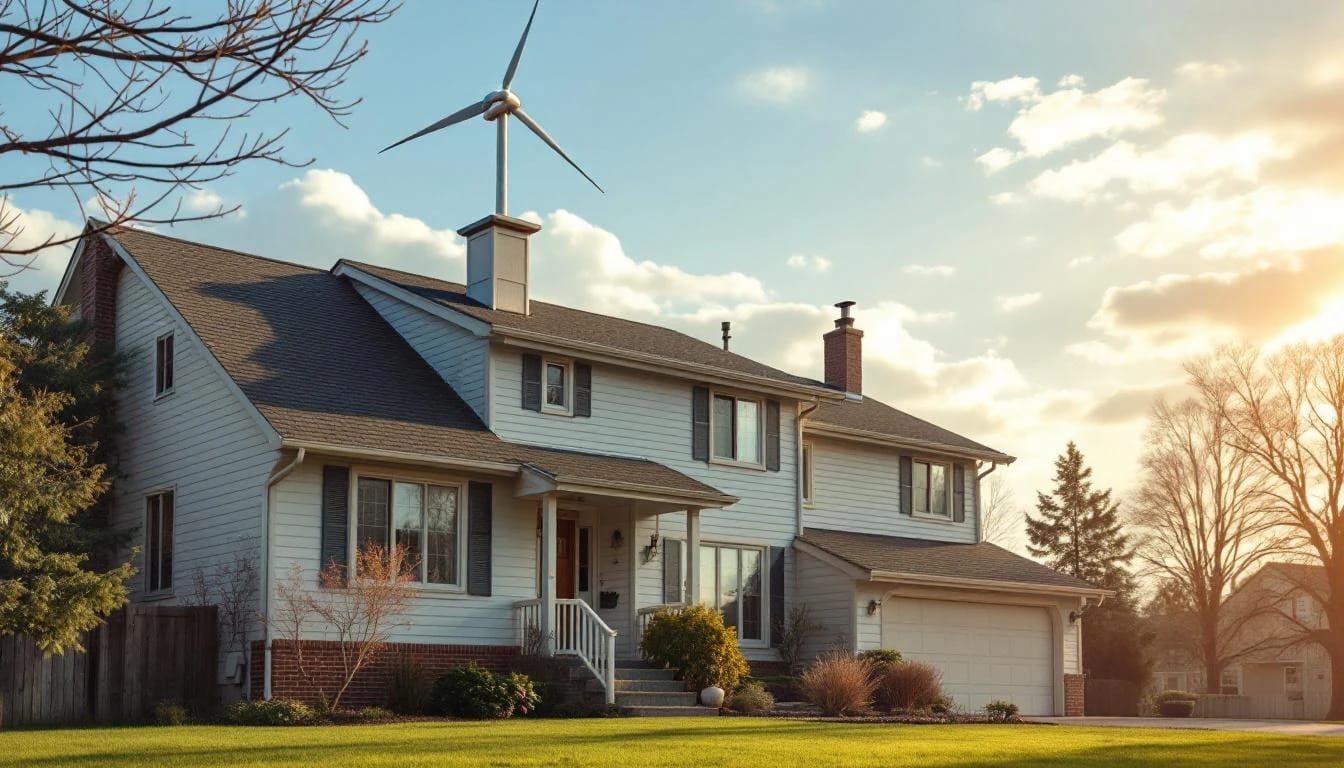
residential wind power
First-Year Mistakes New Home Wind Turbine Owners Regret Most
New home wind turbine owners make costly first-year errors—from poor site assessment to skipping permits. Learn the eleven most common mistakes and how to avoid them.
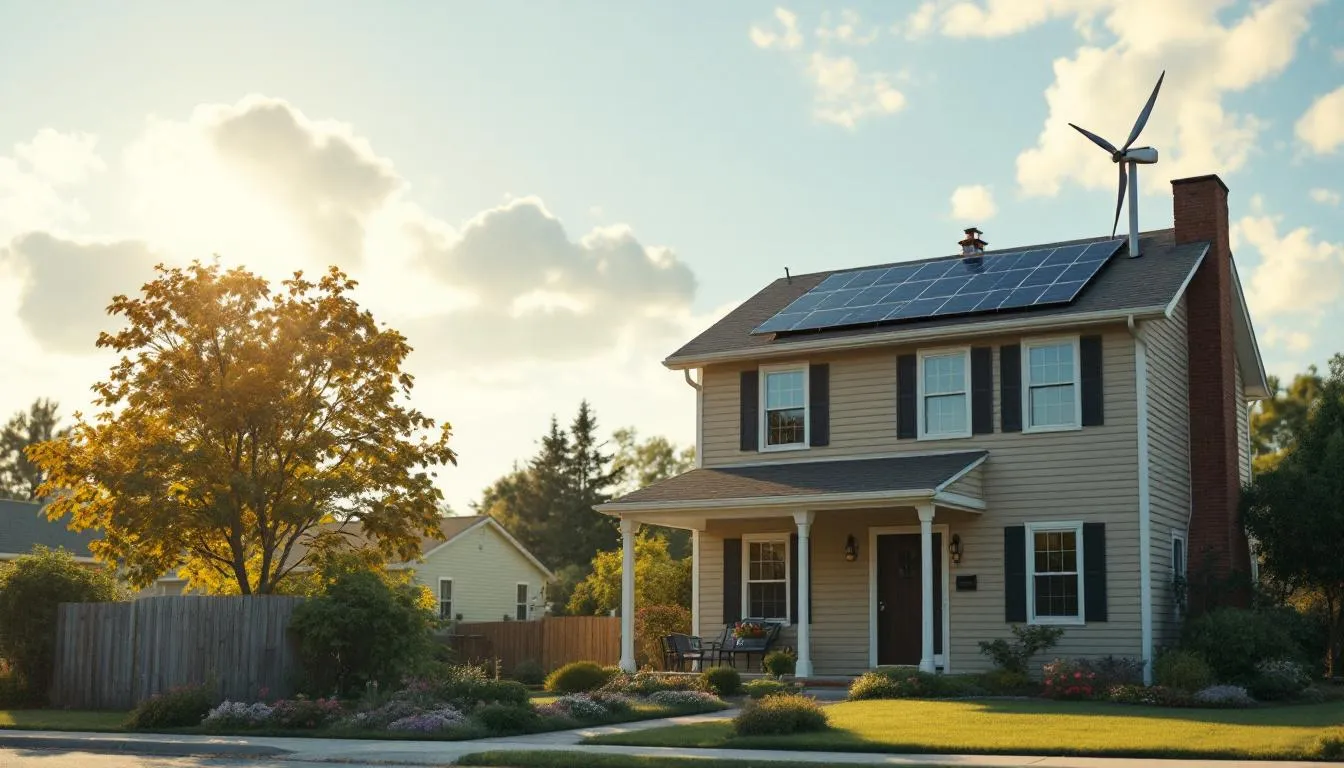
residential wind power
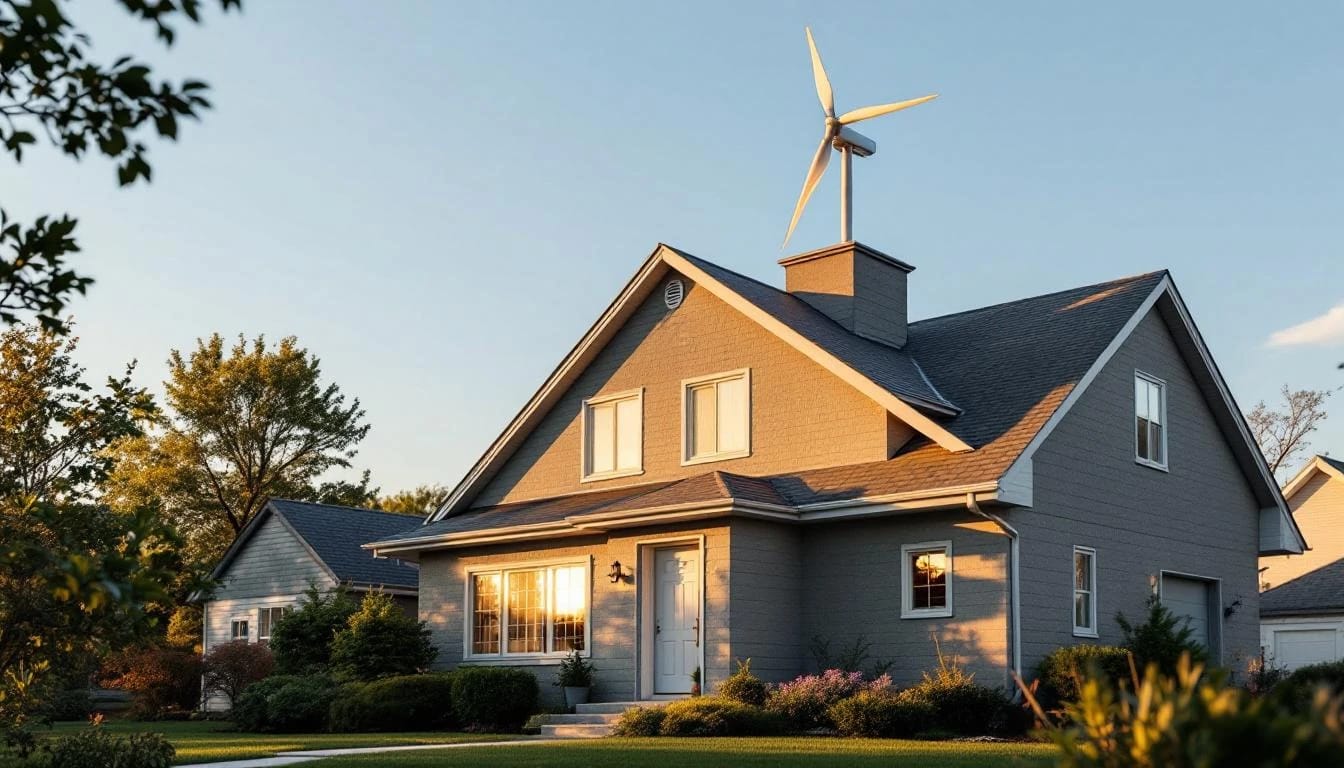
Grid-Tied vs Battery-Backed Wind Turbine Systems for Homes
Grid-tied systems feed excess wind power directly to the utility for credits, while battery-backed configurations store energy for outages and off-grid use.
residential wind power
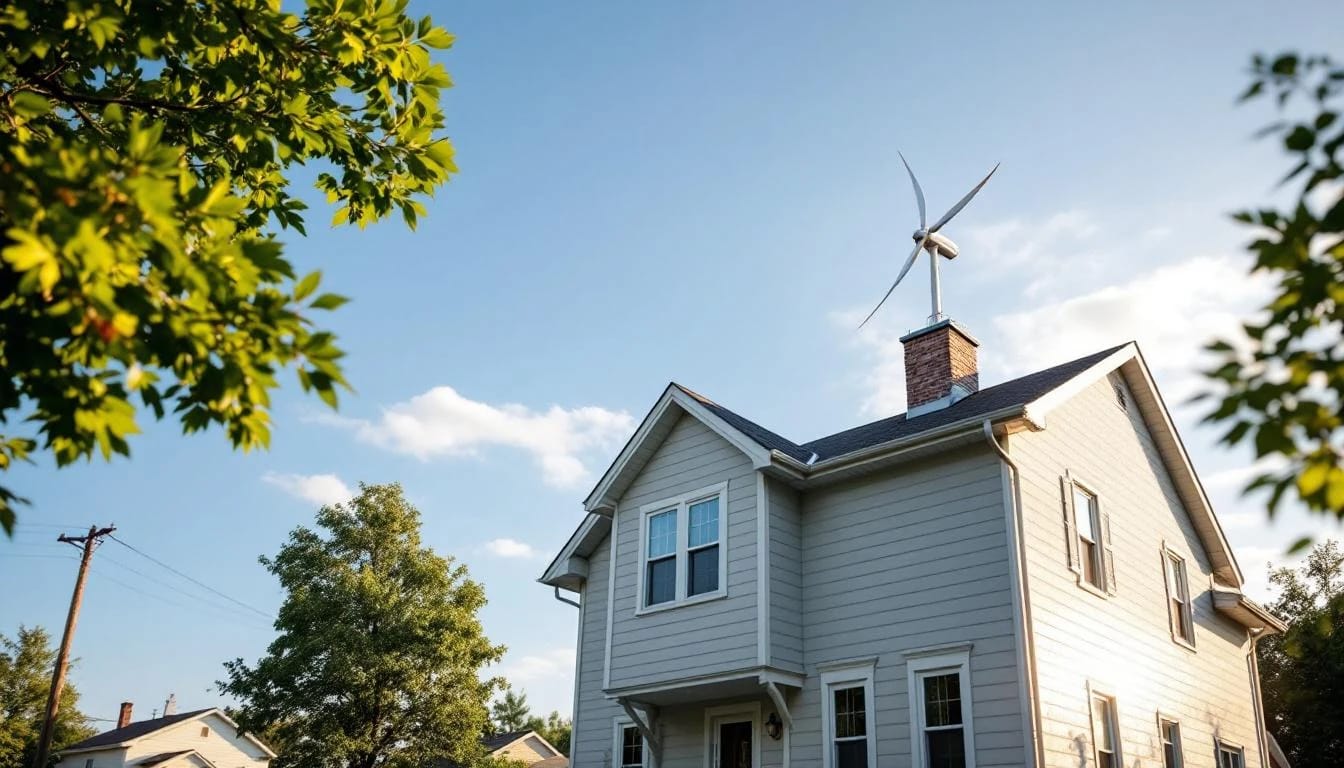
How to Right-Size a Wind Turbine for Your House in 2026
Match your home wind turbine to your actual energy use and site conditions. Learn the sizing formula, power curves, and common mistakes to avoid before you buy.
residential wind power
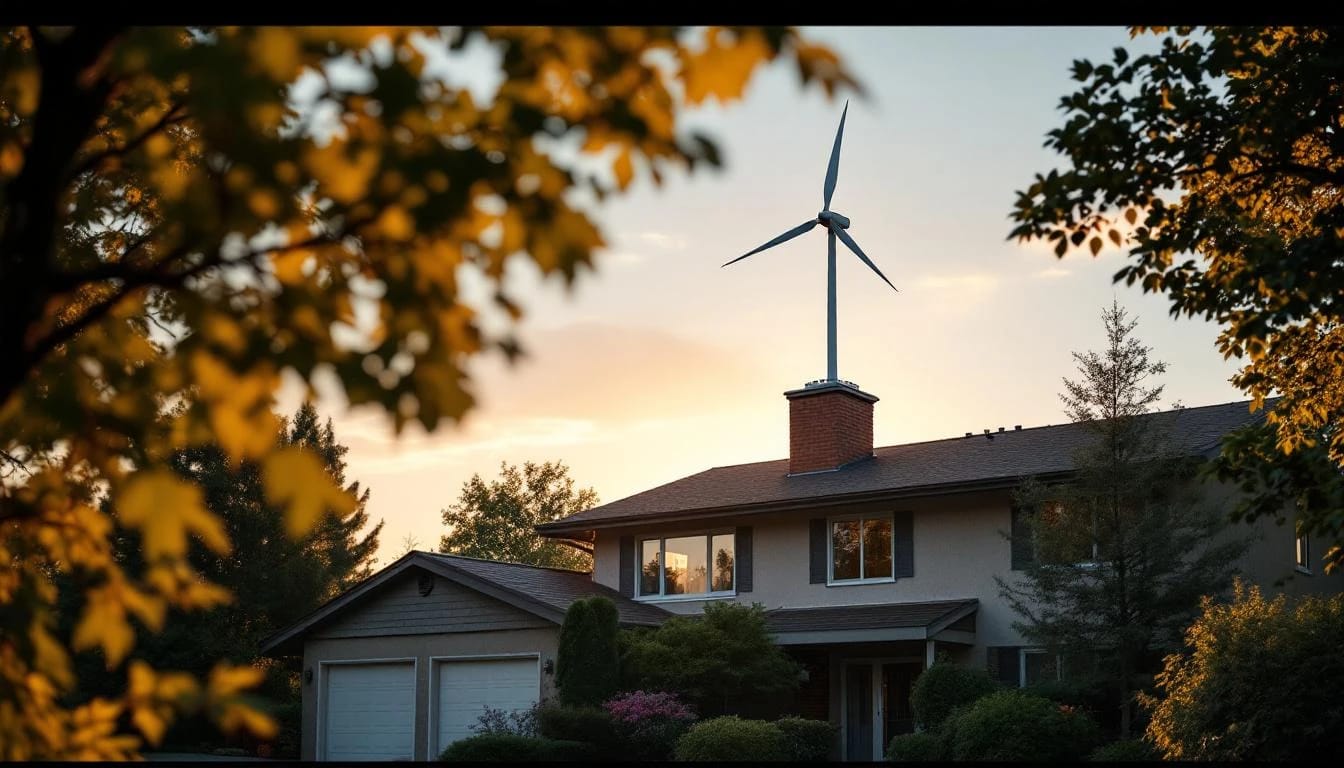
Best Wind Turbines for Australian Homes: STCs & 2026 Picks
Small wind turbines can earn STCs under the SRES, but few models sold in Australia meet AS 4509.1. Compare Bergey, Primus and proven vertical-axis picks.
residential wind power
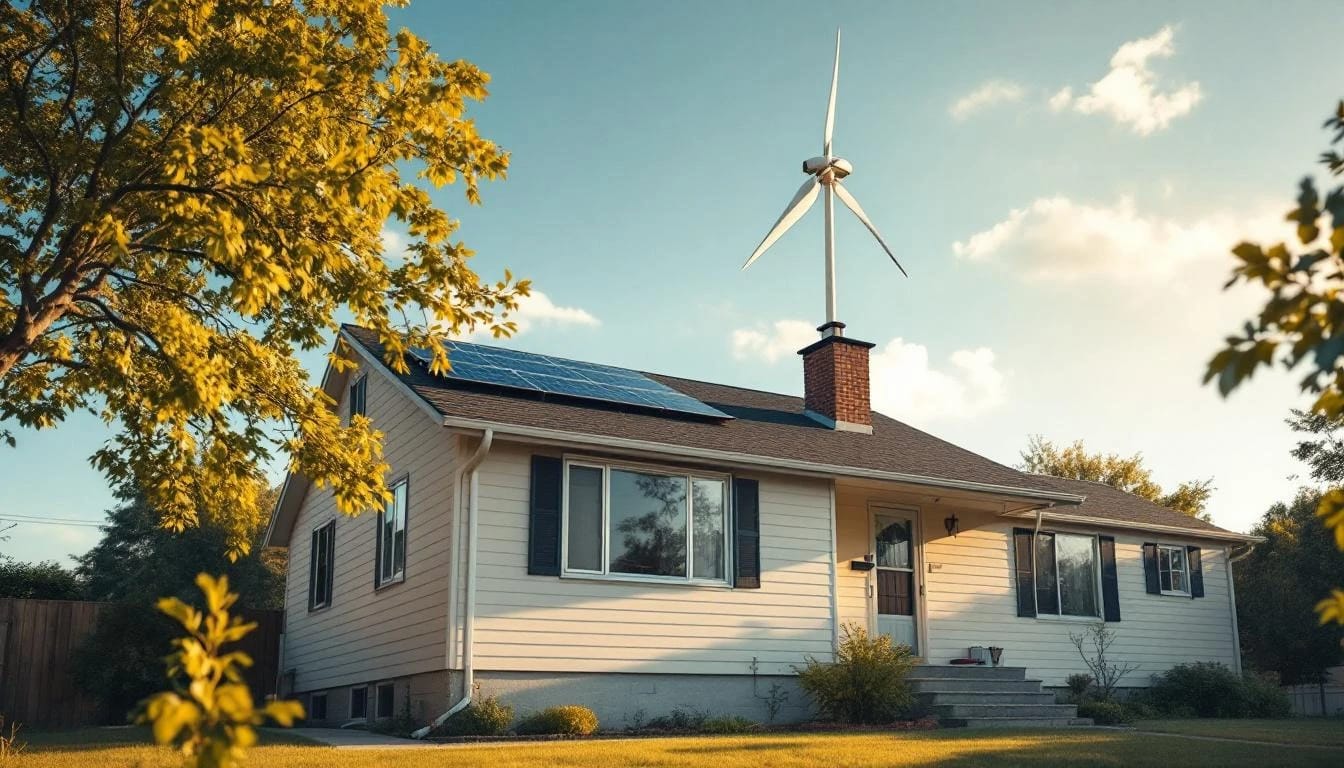
Best Wind Turbines Under $5000 for Home Use (2026 Guide)
Compare the top small wind turbines under $5000 for residential use in 2026. Real performance data, installation costs, and ROI analysis for US homeowners.
residential wind power
Best Wind Turbines for Iowa Homes: Bergey vs Primus (2026)
Iowa averages 5.5-7.5 m/s wind at 30m, enough for a home turbine. Compare the Bergey Excel 10, Primus AIR 40 and VAWT options for grid-tied or off-grid use.
residential wind power
Best Wind Turbines for Texas Homes: 1-10 kW Picks (2026)
Compare 1-10 kW small wind turbines for Texas homes, including which models suit your local wind zone, what they cost, and which incentives you can claim.
residential wind power
Wind Turbine for Power Outage Backup: Realistic Resilience Design
Small wind turbines can provide backup power during outages, but the system requires battery storage, proper NEC-compliant installation, and realistic expectations about spinning up from zero wind.

residential wind power
Can a Home Wind Turbine Charge an Electric Car? System Sizing
A 10 kW residential wind turbine can charge an electric vehicle, producing 1,200-2,000 kWh monthly in Class 3+ winds—enough for 300-600 miles of EV driving when grid-tied with net metering.
residential wind power
Best Wind Turbine for a Tiny House: Sizing, Mounting & Budget
Choosing the right wind turbine for a tiny house means balancing compact roof mounting or pole systems with 400-1000W output. Learn sizing math, real costs, and why vertical-axis models often win.

residential wind power
How Much Electricity Does a Wind Turbine Produce Per Day?
A residential wind turbine produces 5-30 kWh per day depending on turbine size and local wind speed. Learn what affects daily output and how to estimate production for your site.
residential wind power
Can a Wind Turbine Power a Whole House? Size & Cost Analysis
A 5-15 kW residential wind turbine can power a whole house in areas with average wind speeds above 12 mph, though most systems offset 30-90% of consumption.

residential wind power
What Size Wind Turbine Do I Need for My House? 2026 Guide
Calculate the right wind turbine size for your home using average kWh usage, available wind speed, and site constraints. Most US homes need 5-15 kW systems.

residential wind power
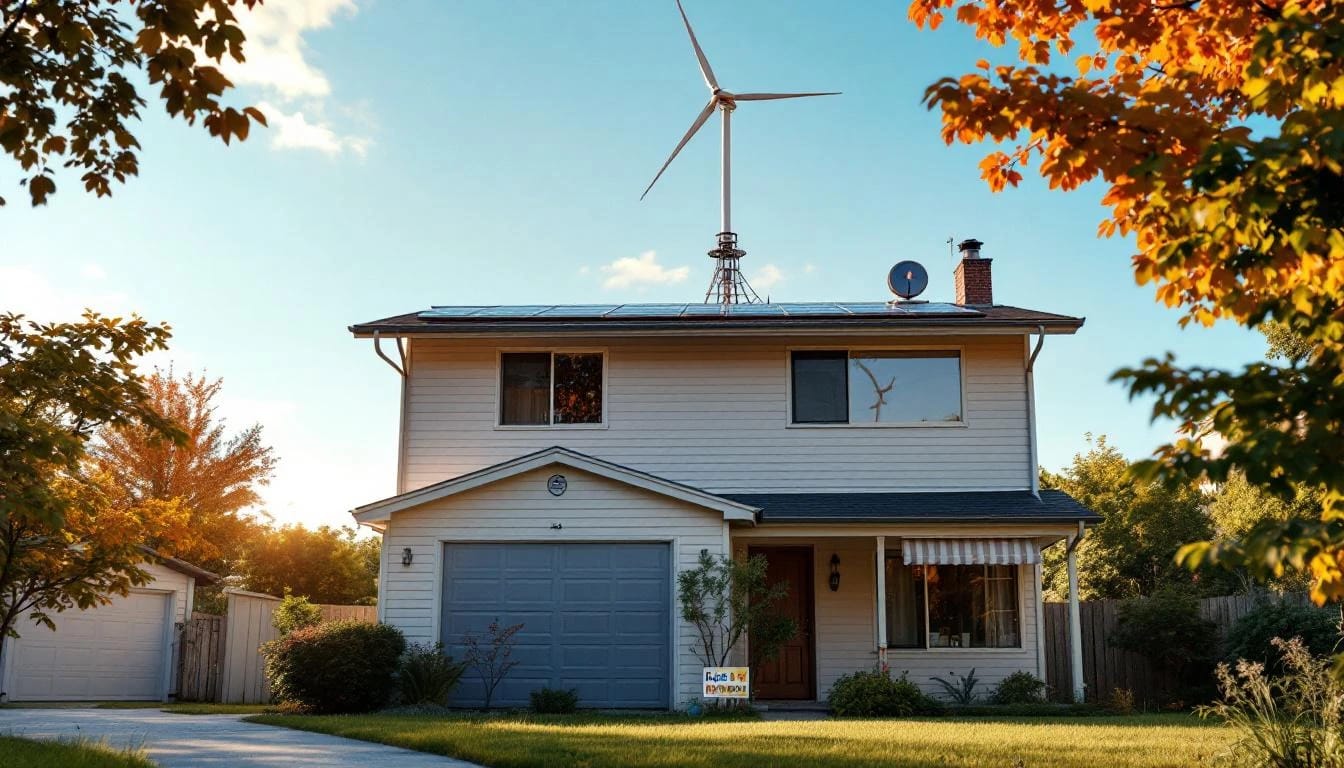
Best Wind Turbines for Wyoming Homes: 2026 Class I/II Picks
Wyoming sits in Class I/II wind zones, so a home turbine must survive the gusts as well as make power. See how the Bergey Excel 10 and Primus Air 40 compare.
residential wind power
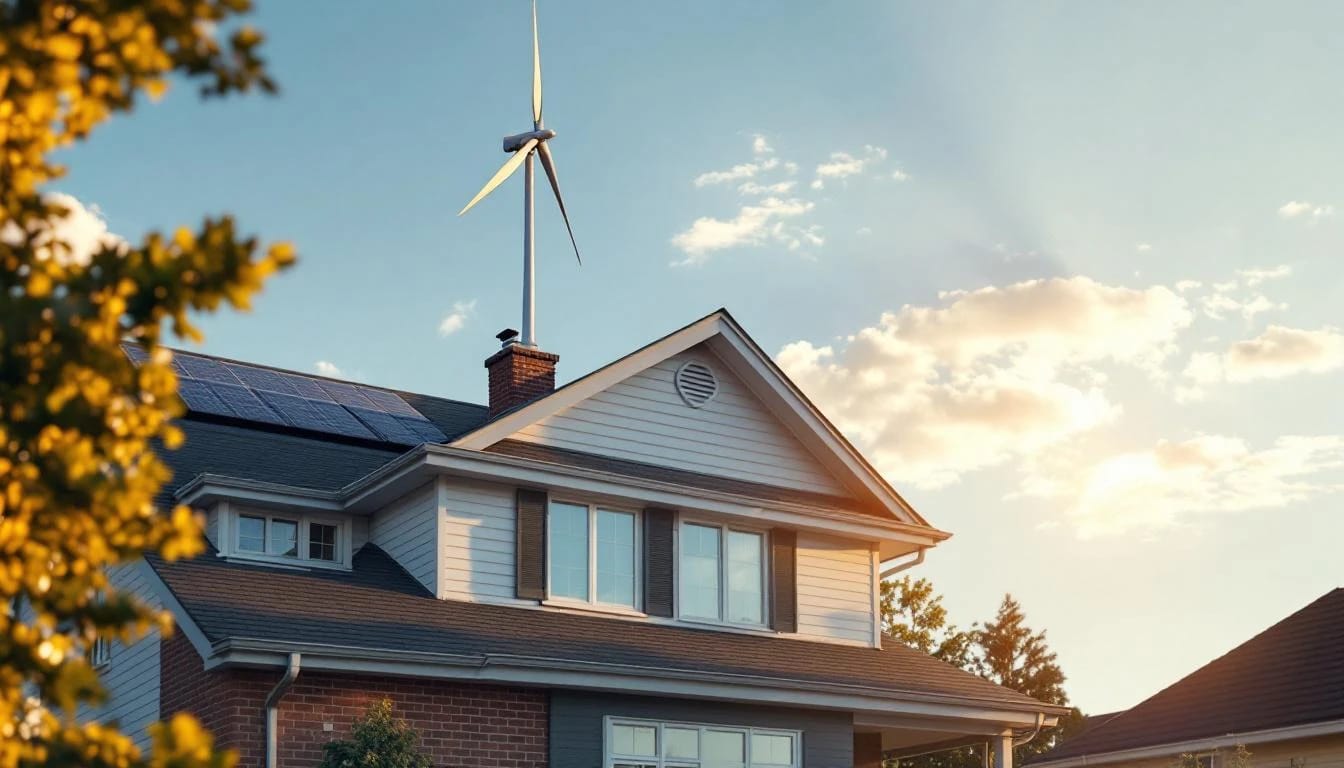
Best Wind Turbines for Oklahoma Homes: 2024 Buyer's Guide
Oklahoma's 6-8 m/s average wind speeds make residential turbines viable. Compare top horizontal and vertical-axis models, costs, and state incentives.
residential wind power
Best Wind Turbines for Kansas Homes: 2026 Costs & Models
Kansas sits in Class 3-4 wind, strong enough for home turbines. Compare residential models built for those speeds, real costs, and net metering rules.

residential wind power
Home Wind Turbine Buying Guide 2026: First-Time Buyer Essentials
First-time buyers need 10+ mph average wind, grid-tie or battery storage, FAA clearance under 200 ft, and a $4,000-$30,000 budget for a reliable small wind system.
Frequently asked questions
- Is a home wind turbine worth it?
- It can be on a windy, open site with supportive net metering and incentives — but it is rarely worth it on a sheltered suburban lot. The single biggest factor is average wind speed at hub height; below about 9–10 mph, the economics usually do not work.
- How much can a home turbine offset on my bill?
- A well-sited 5–10 kW turbine on a tall tower can offset a large fraction, sometimes most, of a typical household's annual use. Real output depends on your wind class, tower height, and turbine efficiency, so size the system to your measured wind, not the nameplate rating.
- Grid-tied or off-grid for a house?
- Most homes that stay connected to the utility choose grid-tie with net metering — it is cheaper because you avoid a large battery bank and use the grid as virtual storage. Off-grid makes sense for remote properties without affordable utility access.