Home Wind Turbine Systems: A Complete 2024 Buyer's Guide
Explore the realities of a home wind turbine system for residential power, covering installation, costs, grid-tie considerations, and US federal incentives.
Share this article
windturbinehome.com/s/2c36f4
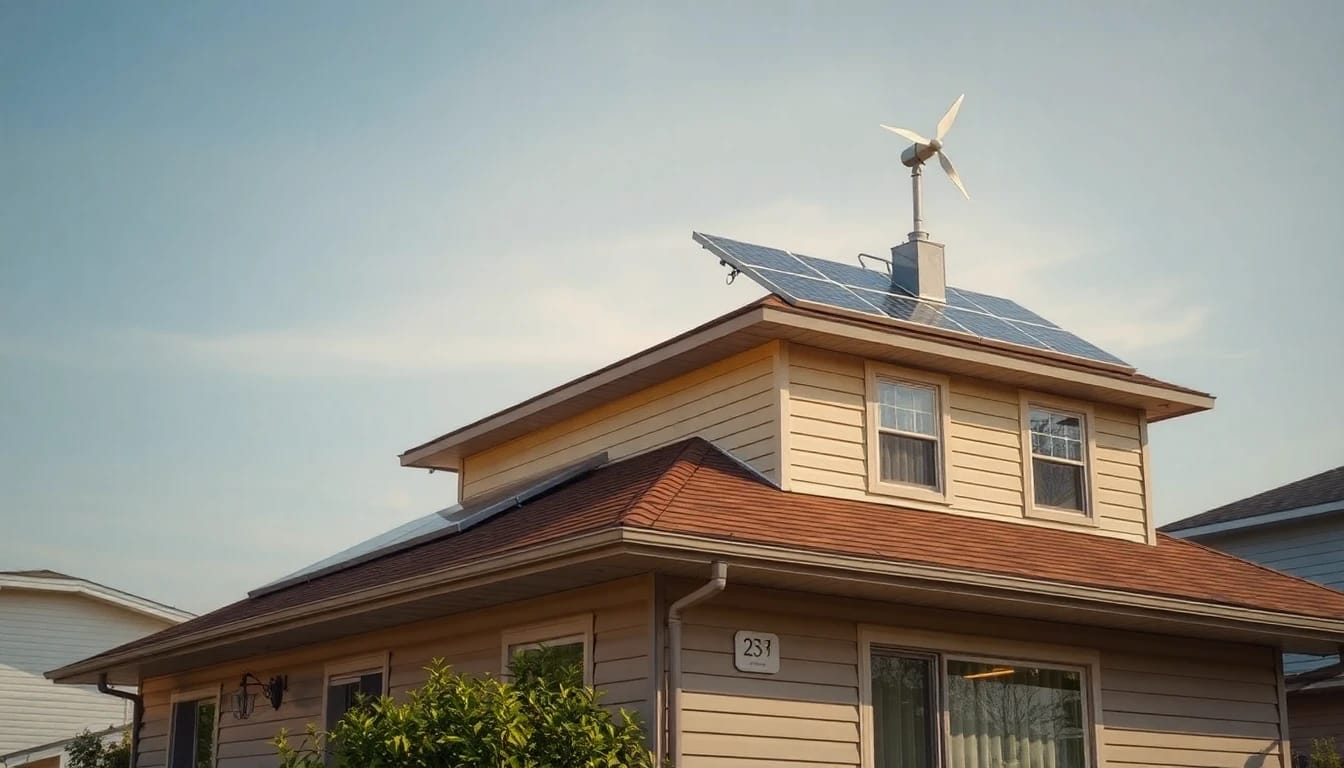
A home wind turbine is a device that converts the kinetic energy of wind into electricity, often utilized to supplement or replace grid power for a residence. These systems often consist of a turbine, a tower, a charge controller, an inverter, and potentially a battery bank for energy storage. While attractive in concept, practical generation depends heavily on consistent, strong wind resources and navigating complex permitting and installation challenges specific to the homeowner's location and utility. Expectations for actual energy output should be grounded in site-specific wind assessments rather than manufacturer claims alone.
Understanding the Home Wind Turbine: What It Is and How It Works
A home wind turbine, at its core, functions on the same principle as utility-scale wind farms: wind pushes against rotor blades, spinning a shaft connected to a generator that produces electricity. For residential applications, these turbines are significantly smaller, generally ranging from 400 watts to 10 kilowatts in rated power. The electricity generated can either power the home directly, charge a battery bank for off-grid or hybrid systems, or be fed back into the public grid via a process known as net metering. The efficiency and reliability of a residential system are critically important, as homeowners are often making a substantial upfront investment with a long-term return horizon. Critical components include the turbine itself, which houses the blades and generator; a tower, which elevates the turbine above ground obstructions; a charge controller, which regulates power to batteries; and an inverter, which converts DC power to usable AC power for household appliances or the grid.
Real-World Output: What to Expect from a Residential System
Manufacturers often advertise a home wind turbine's rated power, which is the maximum output under ideal wind conditions, usually around 25-30 mph. However, real-world conditions rarely sustain these speeds. The actual power generated, known as its capacity factor, is significantly lower and depends on the average wind speed at the specific site. A turbine designed for 5 kW might only produce an average of 1-2 kW over a year in a typical residential setting with average wind speeds. Factors like turbulence from nearby buildings, trees, or varied terrain can drastically reduce efficiency. To estimate realistic output, a detailed wind resource assessment is crucial. This involves monitoring wind speeds at the proposed tower height for an extended period or consulting local wind maps and data, which can vary wildly even within a few miles. Ignoring this critical step is a common pitfall leading to disappointment.
Types of Home Wind Turbines: Horizontal vs. Vertical Axis
The market for home wind turbines largely splits into two primary designs: Horizontal Axis Wind Turbines (HAWTs) and Vertical Axis Wind Turbines (VAWTs). Each type presents distinct advantages and disadvantages that influence their suitability for residential use.
Horizontal Axis Wind Turbines (HAWTs) are the most common design, resembling miniature versions of utility-scale turbines. They feature blades that rotate on a horizontal axis, parallel to the ground. HAWTs are generally more efficient at converting wind energy into electricity, especially in steady, unidirectional winds. They typically require a yaw mechanism to orient the rotor into the wind, though smaller models may use a simple tail fin. Downsides include requiring taller towers to avoid turbulence, potential noise concerns, and a larger visual footprint. Examples include classic three-bladed designs like those from Bergey or Primus Wind Power.
Vertical Axis Wind Turbines (VAWTs), on the other hand, have blades that rotate around a vertical axis. Common VAWT designs include Savonius and Darrieus types. Their main advantage is omnidirectionality – they capture wind from any direction without needing to yaw. They also tend to operate more quietly and can potentially be installed on lower towers or even rooftops in certain niche applications (though rooftop wind is often advised against due to vibration and turbulence). However, VAWTs are usually less efficient than HAWTs at the same swept area and may struggle to self-start in very low winds. Manufacturers like Aeolos produce various VAWT designs.
| Feature | Horizontal Axis Wind Turbine (HAWT) | Vertical Axis Wind Turbine (VAWT) |
|---|---|---|
| Efficiency | Generally higher in steady winds | Generally lower, especially in low winds |
| Wind Capture | Requires yawing into wind direction | Omnidirectional, captures wind from any direction |
| Noise | Can be noticeable, especially at high speeds | Generally quieter operation |
| Tower Height | Typically requires taller towers for optimal performance | Can operate on shorter towers, some rooftop claims |
| Aesthetics | More traditional 'windmill' look, prominent | Often more compact or 'sculptural' |
| Turbulence | More susceptible to performance loss from turbulence | Better suited for turbulent, urban environments |
| Maintenance | Yaw mechanism, gearbox (if present) | Simpler mechanical design, potentially less complex |
Ultimately, the choice between a HAWT and a VAWT for a home wind turbine depends on site-specific wind conditions, available space, local regulations, and aesthetic preferences. Most residential installations with strong, consistent wind resources opt for HAWTs due to their higher efficiency.
Key Factors for Siting a Home Wind Turbine
Proper siting is the single most critical factor determining the success of a home wind turbine project. A poorly sited turbine will underperform, regardless of its rated capacity or technological sophistication. Here are the primary considerations:
- Wind Resource: As discussed, consistent, strong, and non-turbulent wind is essential. Obstructions like trees, buildings, and uneven terrain create turbulence and wind shear, significantly reducing a turbine's efficiency. A good rule of thumb is to place the turbine's rotor at least 30 feet higher than any obstruction within a 500-foot radius. Open, elevated sites are ideal.
- Tower Height: Taller towers access stronger, less turbulent winds. While shorter towers reduce visual impact and installation complexity, they compromise output. Typical residential towers range from 30 to 120 feet. Local zoning ordinances often dictate maximum permissible tower heights.
- Setbacks: Local building authorities (AHJ) will have setback requirements from property lines, other structures, and public roads. These are critical for safety and neighbor relations.
- Noise: While small turbines are generally quieter than their large counterparts, they still produce some noise, especially in high winds. Considering proximity to bedrooms or neighboring properties is important. Manufacturer-specified noise levels (in decibels) should be reviewed, understanding that real-world perception can vary.
- Visual Impact: A home wind turbine on a tower is a prominent structure. Homeowners should consider the visual impact on their property and neighborhood, as this can be a significant factor in permitting and community acceptance.
- Proximity to Electrical Load: The closer the turbine is to the home's electrical panel or battery bank, the less voltage drop occurs and the less expensive the wiring runs. However, this must be balanced with optimal wind resource.
Navigating Installation: From Foundation to Grid Connection
Installing a home wind turbine is a multi-stage process that typically requires professional expertise, particularly for electrical work and tower erection. It's not a simple DIY project for most homeowners.
1. Site Preparation and Foundation: This involves excavation and pouring a concrete foundation engineered to support the turbine and tower against wind loads. Soil analysis may be necessary. The foundation design must account for local wind zone requirements.
2. Tower Erection: The tower can be a guyed (supported by cables) or freestanding (monopole or lattice) structure. Guyed towers are often less expensive but require a larger footprint. Freestanding towers are more compact. Erecting tall, heavy structures is specialized work requiring cranes or gin poles and experienced crews.
3. Turbine Mounting and Wiring: Once the tower is up, the turbine head is mounted. Electrical wiring runs down the tower to the charge controller, inverter, and either a battery bank or the home's electrical panel. This wiring must comply with the National Electrical Code (NEC).
4. Electrical Interconnection: For grid-tied systems, the inverter connects to the home's electrical panel, which in turn connects to the utility grid. This interconnection is governed by strict utility requirements and NEC Article 705, which covers the interconnected electric power production sources. NEC Article 250 outlines grounding and bonding requirements for the entire system, critical for safety. A licensed electrician is mandatory for all electrical work.
5. Commissioning and Inspection: After installation, the system undergoes rigorous testing. The local building authority (AHJ) will conduct inspections, and the utility company will typically inspect the grid interconnection before allowing the system to operate and export power.
IMPORTANT: Professional Expertise Required
Grid-tied electrical work, tower installation, and foundation engineering for a home wind turbine are not DIY projects. They require a licensed electrician familiar with NEC Article 705 and Article 250, a qualified structural engineer for foundation and tower design, and experienced tower erection crews. Always consult with certified professionals to ensure safety and code compliance, contributing to the system's longevity.
The Financial Picture: Costs, ROI, and US Incentives for Home Wind Turbines
The investment in a home wind turbine can be substantial, with total installed costs ranging widely from $10,000 for a small 1 kW system to $70,000 or more for a 10 kW system. These figures include the turbine, tower, foundation, electrical components, permits, and labor. The return on investment (ROI) depends heavily on the initial cost, actual energy production, and the value of electricity in the homeowner's region.
Cost Breakdown:
- Turbine: 30-50% of total cost (e.g., a 5 kW turbine might cost $10,000-$25,000).
- Tower: 15-30% of total cost (e.g., $3,000-$15,000 depending on height and type).
- Inverter, Controller, Balance of System: 10-20%.
- Foundation & Installation Labor: 20-35% (varies significantly by site complexity and local labor rates).
- Permitting & Interconnection Fees: Can range from a few hundred to a few thousand dollars.
US Federal Incentives: Homeowners in the United States can significantly offset the cost of a new home wind turbine system through the Residential Clean Energy Credit (formerly the Investment Tax Credit) under Section 25D of the Internal Revenue Code, as reinforced by the Inflation Reduction Act. This provides a tax credit equal to 30% of the cost of new, qualified clean energy property for the home. This credit is non-refundable but can be carried forward to future tax years. To claim this incentive, homeowners typically file IRS Form 5695 with their federal tax return. It's crucial to confirm eligibility with a tax professional, as specific rules and limitations apply.
State and Local Incentives: Beyond federal programs, many states and local jurisdictions offer additional incentives for renewable energy. These can include state tax credits, property tax exemptions, sales tax exemptions, grants, or rebates. The DSIRE (Database of State Incentives for Renewables & Efficiency) is an excellent resource for finding current, state-specific policies and incentives. Homeowners should research what's available in their specific area, as these programs can dramatically impact the financial viability of a home wind turbine.
Net Metering: Net metering policies allow homeowners with grid-tied wind systems to send excess electricity generated back to the utility grid. The utility credits the homeowner for this power, often at the full retail rate, effectively running their meter backward. This can substantially reduce monthly electricity bills. However, net metering policies vary significantly by state and utility company, with some offering less favorable buyback rates or imposing limits on system size. Understanding the local net metering agreement is vital for projecting savings.
Maintenance and Longevity of Your Wind System
A home wind turbine is a mechanical system exposed to the elements, requiring periodic maintenance to ensure optimal performance and longevity. Most manufacturers provide maintenance schedules, which homeowners should adhere to.
Routine Checks (Annual/Bi-annual):
- Blade Inspection: Check for cracks, chips, or erosion. Damaged blades can reduce efficiency and cause imbalance.
- Tower Inspection: Look for rust, loose guy wires (for guyed towers), or structural integrity issues. Ensure bolts are tight.
- Electrical Connections: Inspect wiring for corrosion, wear, or loose connections. This should ideally be done by a licensed electrician.
- Lubrication: Some turbine designs require periodic lubrication of bearings or moving parts.
- Yaw Mechanism: For HAWTs, ensure the yaw mechanism (if any) is functioning correctly.
Major Servicing (Every 5-10 Years):
- Bearing Replacement: Bearings have a finite lifespan and may need replacement.
- Inverter/Controller Check: These electronic components may require calibration or replacement over time.
- Battery Bank Maintenance (Off-grid/Hybrid): If using batteries, these require regular checks and eventual replacement (typically every 5-15 years, depending on battery type).
Lifespan: Well-maintained small wind turbines can last 20-25 years or more. Electronic components like inverters might have shorter lifespans (10-15 years) and are generally easier to replace. The turbine blades themselves are often rated for many years of operation before needing significant refurbishment or replacement.
Permitting and Regulations for Residential Wind Power
Navigating the bureaucratic landscape of permits and regulations is a significant hurdle for many home wind turbine projects. Ignoring these steps can lead to fines, forced removal, or an inability to connect to the grid.
Local Building Authority (AHJ): The local planning and zoning department (the Authority Having Jurisdiction) is the primary point of contact. Homeowners will typically need:
- Building Permits: For the tower foundation and structure.
- Electrical Permits: For all wiring and grid interconnection.
- Zoning Approval: This is often the most challenging. Zoning ordinances regulate structure heights, setbacks from property lines, noise levels, and sometimes even visual appearance. Some areas have specific overlay districts or conditional use permits required for wind turbines. Many jurisdictions do not have specific wind turbine ordinances and may categorize them as accessory structures, requiring careful interpretation of existing rules. This process can be lengthy; securing all necessary permits and approvals often varies significantly by jurisdiction, sometimes taking several months.
FAA Part 77 Compliance: For any structure exceeding 200 feet above ground level, or those near airports, federal regulations under FAA Part 77, §77.13 require notice to the Federal Aviation Administration. While most residential turbines are below this height, it's a critical consideration for taller installations.
Frequently asked questions
How much power can a home wind turbine generate?
Actual power generation from a home wind turbine varies significantly by site and average wind speed, not just the turbine's rated capacity. A 5 kW rated turbine might only produce an average of 1-2 kW over a year in a location with moderate wind resources due to fluctuating wind speeds and turbulence. Site-specific wind assessments are crucial for realistic expectations.
Are there noise concerns with residential wind turbines?
Yes, noise can be a concern, particularly for neighbors or those sensitive to ambient sounds. While small turbines are generally quieter than larger utility-scale models, they still produce mechanical and aerodynamic noise, especially in higher winds. Proper siting, including adequate setbacks from property lines and living spaces, helps mitigate noise impact. Manufacturer specifications often include decibel ratings to help assess potential noise levels.
Do I need batteries with a home wind turbine?
Not necessarily. For grid-tied systems with net metering, batteries are optional. Excess power can be sent to the grid, and power is drawn from the grid when the turbine isn't producing enough. However, for off-grid homes or those seeking energy independence and blackout protection, a battery bank is essential to store generated electricity for use when the wind isn't blowing.
Can I install a home wind turbine on my roof?
Rooftop wind turbine installations are generally discouraged for most residential buildings. While some VAWT manufacturers claim rooftop suitability, vibrations transmitted through the structure can cause noise inside the home and structural stress. Furthermore, rooftops are often subject to significant wind turbulence and shear from the building itself, severely reducing a turbine's efficiency and actual power output compared to a tower-mounted system in clear air.
Bottom line
Investing in a home wind turbine can significantly reduce electricity bills and provide energy independence, but success hinges on a genuine, consistent wind resource and careful adherence to permitting and installation best practices. Homeowners should conduct a thorough site assessment, research all available US federal and state incentives, and engage licensed professionals for installation and grid connection.
Share this article
windturbinehome.com/s/2c36f4
Editorial note: This article was researched and written by a member of the Wind Turbine Home editorial team. AI-assisted tools were used for spell-checking and light grammar review only — all research, analysis, and conclusions are our own. Our editorial policy prohibits sponsored content and paid placements. Read our editorial policy →
Related reading
residential wind power
Home Wind Turbine: A Comprehensive US Buyer's Guide 2024
Explore the realities of owning a home wind turbine in the US, covering costs, energy output, installation requirements, and available federal and state incentives for homeowners considering small-scale wind power.
residential wind power
First-Year Mistakes New Home Wind Turbine Owners Regret Most
New home wind turbine owners make costly first-year errors—from poor site assessment to skipping permits. Learn the eleven most common mistakes and how to avoid them.

residential wind power
Grid-Tied vs Battery-Backed Wind Turbine Systems for Homes
Grid-tied systems feed excess wind power directly to the utility for credits, while battery-backed configurations store energy for outages and off-grid use.
residential wind power
How to Right-Size a Wind Turbine for Your House in 2026
Match your home wind turbine to your actual energy use and site conditions. Learn the sizing formula, power curves, and common mistakes to avoid before you buy.
residential wind power
Best Wind Turbines for Australian Homes: STCs & 2026 Picks
Small wind turbines can earn STCs under the SRES, but few models sold in Australia meet AS 4509.1. Compare Bergey, Primus and proven vertical-axis picks.
residential wind power
Best Wind Turbines Under $5000 for Home Use (2026 Guide)
Compare the top small wind turbines under $5000 for residential use in 2026. Real performance data, installation costs, and ROI analysis for US homeowners.
residential wind power
Best Wind Turbines for Iowa Homes: Bergey vs Primus (2026)
Iowa averages 5.5-7.5 m/s wind at 30m, enough for a home turbine. Compare the Bergey Excel 10, Primus AIR 40 and VAWT options for grid-tied or off-grid use.
residential wind power
Best Wind Turbines for Texas Homes: 1-10 kW Picks (2026)
Compare 1-10 kW small wind turbines for Texas homes, including which models suit your local wind zone, what they cost, and which incentives you can claim.
residential wind power
Wind Turbine for Power Outage Backup: Realistic Resilience Design
Small wind turbines can provide backup power during outages, but the system requires battery storage, proper NEC-compliant installation, and realistic expectations about spinning up from zero wind.