Office & commercial wind
Commercial and office wind covers turbines on warehouses, light-industrial buildings, and office parks — often roof- or parapet-mounted vertical-axis machines, sometimes a small freestanding turbine on site.
The driver is usually a mix of energy savings and visible sustainability branding. Honest ROI is harder than at utility scale because building-induced turbulence cuts output, so the strongest commercial cases pair wind with solar, good metering, and a genuinely windy, exposed site.
Guides & reviews
office commercial wind
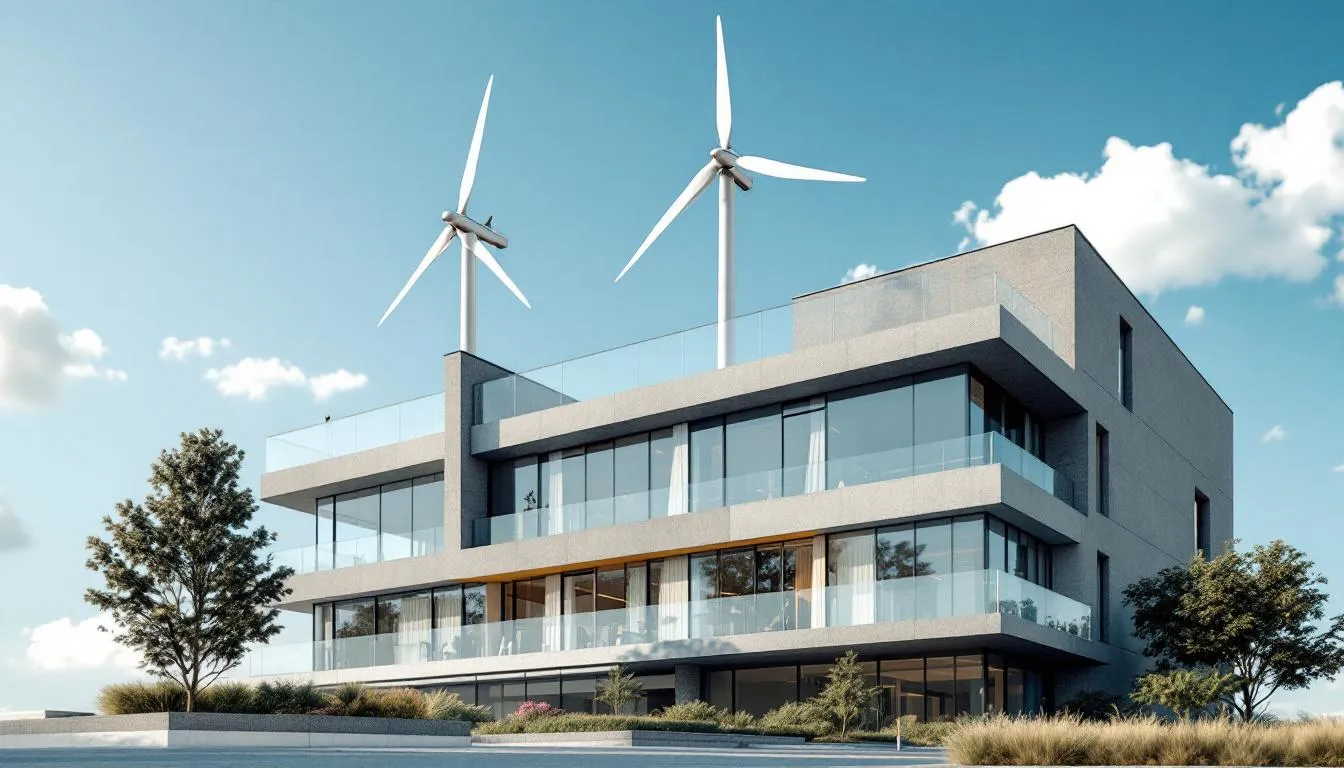
Parapet-Mounted Wind Systems for Low-Rise Commercial Buildings
Parapet wind turbines offer flat-roof solutions for 1-4 story offices, warehouses, and retail. Learn mounting, FAA limits, output, and cost for commercial rooftop installations.
office commercial wind
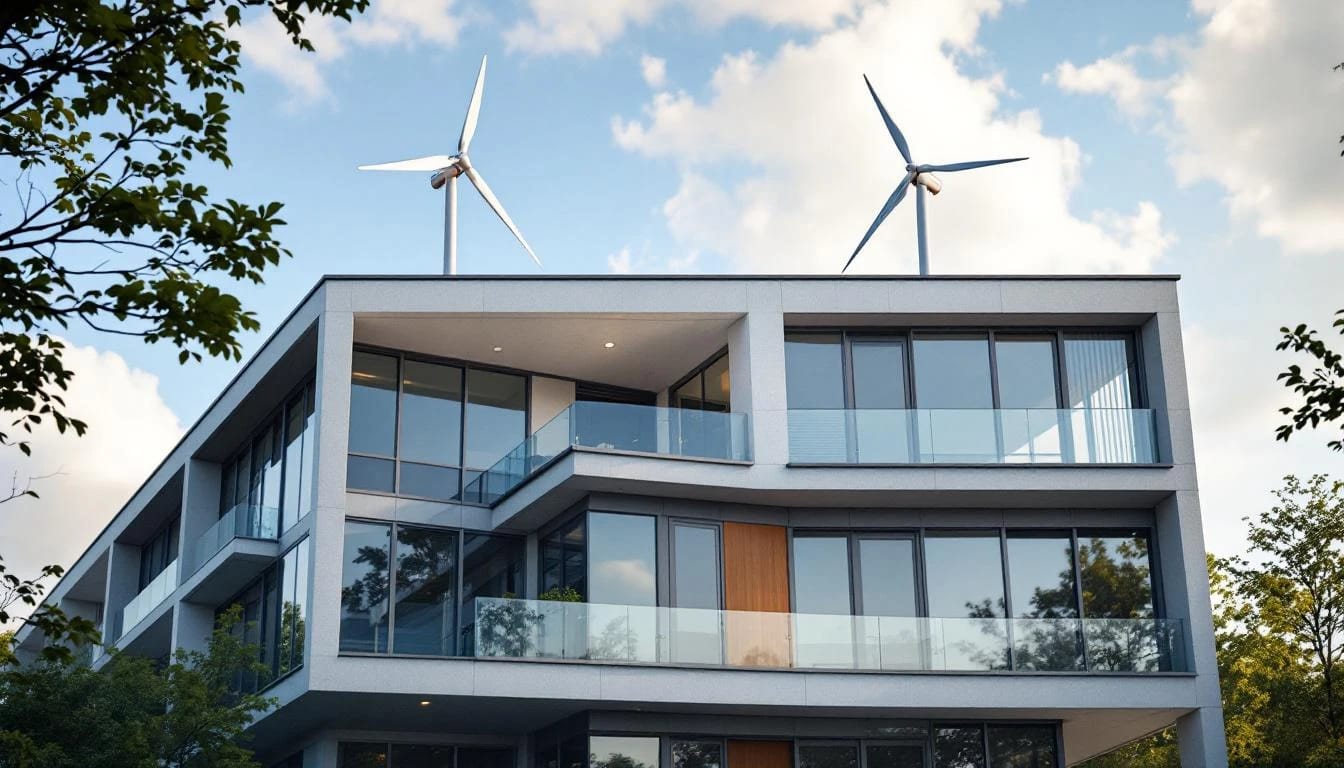
VAWTs on Office Buildings: What the ROI Actually Looks Like
Real-world ROI for vertical-axis wind turbines on office buildings ranges 12-25 years in most US locations, driven by capacity factor, local rates, and incentives.
Frequently asked questions
- Does commercial rooftop wind actually pay off?
- Sometimes, but the economics are demanding. Roof turbulence reduces output, and payback often depends on a windy exposed location, available incentives, and the value placed on visible sustainability. Model expected energy from measured wind before committing capital.
- Where do parapet-mounted turbines go?
- Along the windward roof edge, where airflow accelerates as it lifts over the building. Parapet and edge mounting can capture that speed-up, but it requires structural assessment of the parapet and roof and careful attention to vibration and noise for occupants below.
- Wind or solar for a commercial roof?
- Solar is usually the easier, more predictable commercial choice. Wind makes sense as a complement on genuinely windy sites or where night and winter generation matter — a hybrid system can flatten the seasonal production curve.