Towers & accessories
The tower and balance-of-system accessories often cost as much as the turbine, and they make or break performance. Tower height sets how much clean wind the rotor sees; the tower type (guyed, freestanding monopole, or tilt-up) sets cost, footprint, and how easily you can service the machine.
Accessories — charge and diversion controllers, dump loads, disconnects, cable sized for voltage drop, slip rings, and grounding — keep the system safe and efficient. Skimping on tower height to save money is the most common and most costly mistake in small wind.
Guides & reviews
accessories towers
Cable Sizing from Tower to Charge Controller: Voltage Drop Math
Calculate wire gauge for wind turbine tower-to-controller runs using voltage drop formulas. Step-by-step math prevents energy loss and meets NEC 705.
accessories towers
Best Charge Controllers for Small Wind Turbines in 2026
Compare the top wind turbine charge controllers for off-grid and hybrid systems in 2026, from budget PWM units to advanced MPPT models with dump-load protection.
accessories towers
Guyed vs Freestanding Towers: Pick by Site, Not by Price
Guyed towers cost less but need 50–75% more land. Freestanding monopoles fit tight lots. Choose by space, soil, and local zoning—not sticker price alone.
accessories towers
Guyed Tower vs Monopole Tower: Cost and Footprint Compared
Guyed towers cost $3,000–$8,000 less than monopole towers but need 4× the land. Compare installation, maintenance, and long-term economics for home turbines.
accessories towers
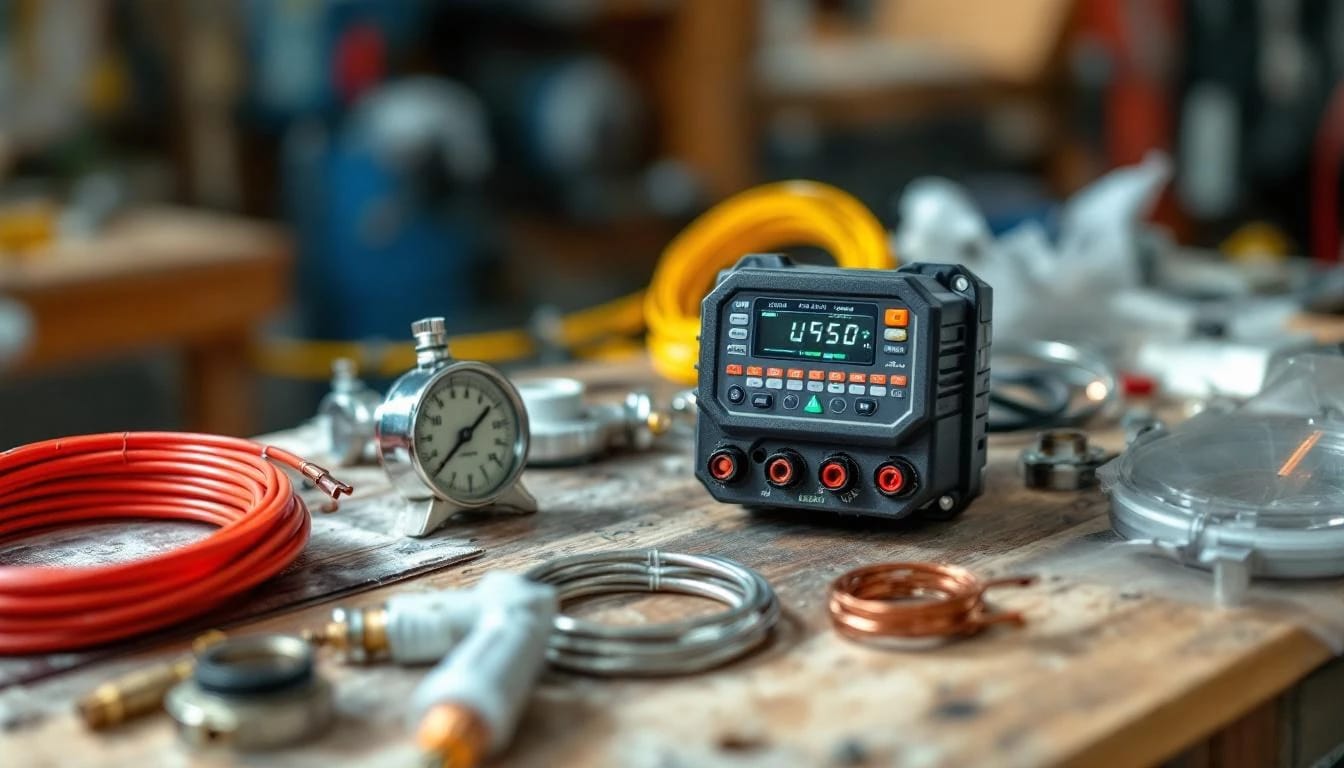
Wind Turbine for a Chicken Coop: Tiny Systems for Small Loads
A 100-400W micro wind turbine can power chicken coop lights, fans, and heaters, typically costing $150-$800 installed. Learn how to size, mount, and wire small systems for off-grid poultry operations.
accessories towers
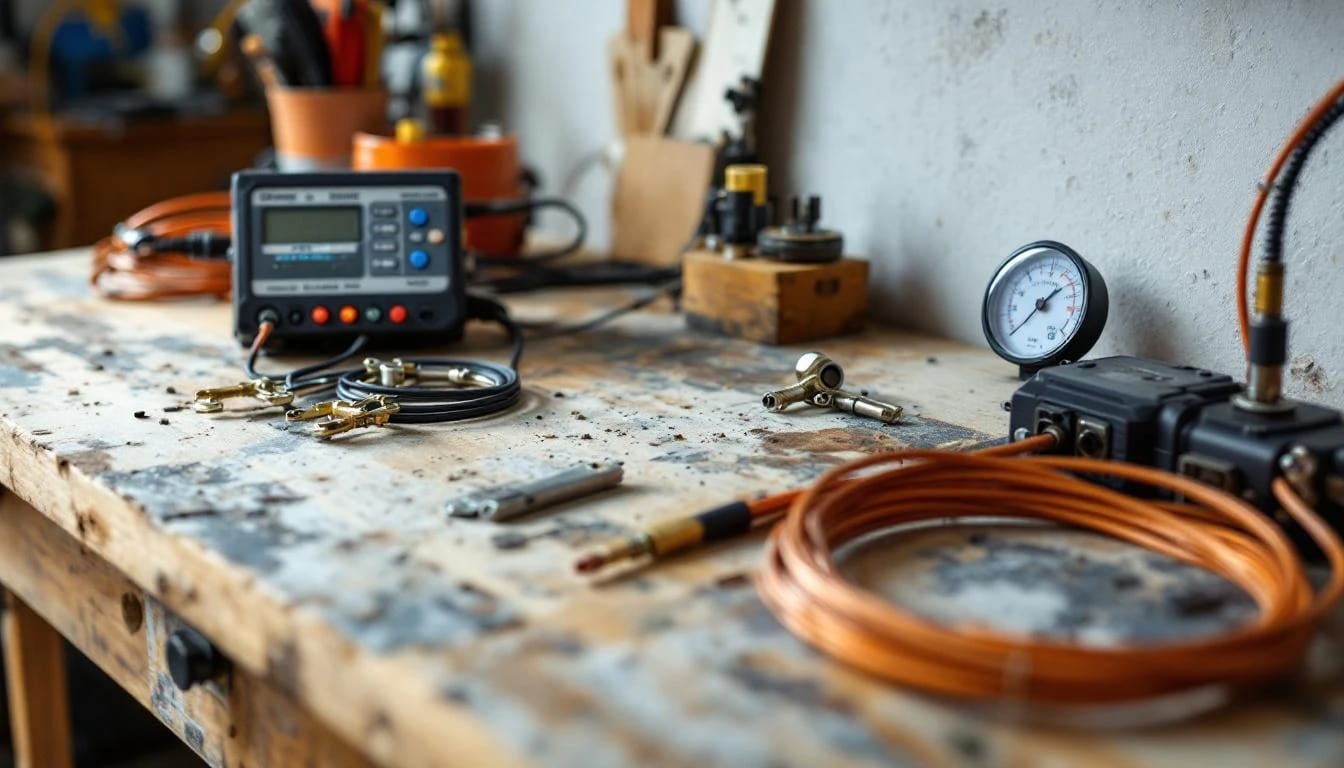
Wind Turbine for a Shed: What Fits and What Makes Sense
Shed wind turbines need 400W–1kW capacity, 10–20 ft poles, and off-grid controllers. Learn sizing rules, installation costs, and whether grid-tie beats battery.
Frequently asked questions
- Why does tower height matter so much?
- Because wind speed increases with height and turbulence decreases, and energy scales with the cube of wind speed. A taller tower in clean wind routinely produces more energy than a larger, more expensive turbine on a short tower — height is usually the best dollar you can spend.
- Guyed, freestanding, or tilt-up tower?
- Guyed and tilt-up towers are the most cost-effective for small turbines and let you lower the machine for service; freestanding monopoles need no guy radius but cost more. Pick based on budget, land available for guy anchors, and how often you want to access the turbine.
- How do I size the cable from the tower?
- Size it for voltage drop over the full tower-plus-run distance, not just for current — long, low-voltage runs lose significant power in undersized wire. Use a voltage-drop calculation for your system voltage and distance, and follow code for conductor type, grounding, and disconnects.