Vertical-axis turbines (VAWT)
Vertical-axis wind turbines (VAWTs) spin around an upright shaft, so they accept wind from any direction without a tail or yaw system. That makes them well suited to gusty, turbulent sites like rooftops and built-up areas where wind shifts constantly.
The two main families are Savonius (drag-driven, slow but high-torque and self-starting) and Darrieus (lift-driven, faster and more efficient but often needs help to start). VAWTs are generally quieter and mount lower than horizontal-axis machines, but they capture less energy per dollar in clean, steady wind.
Guides & reviews
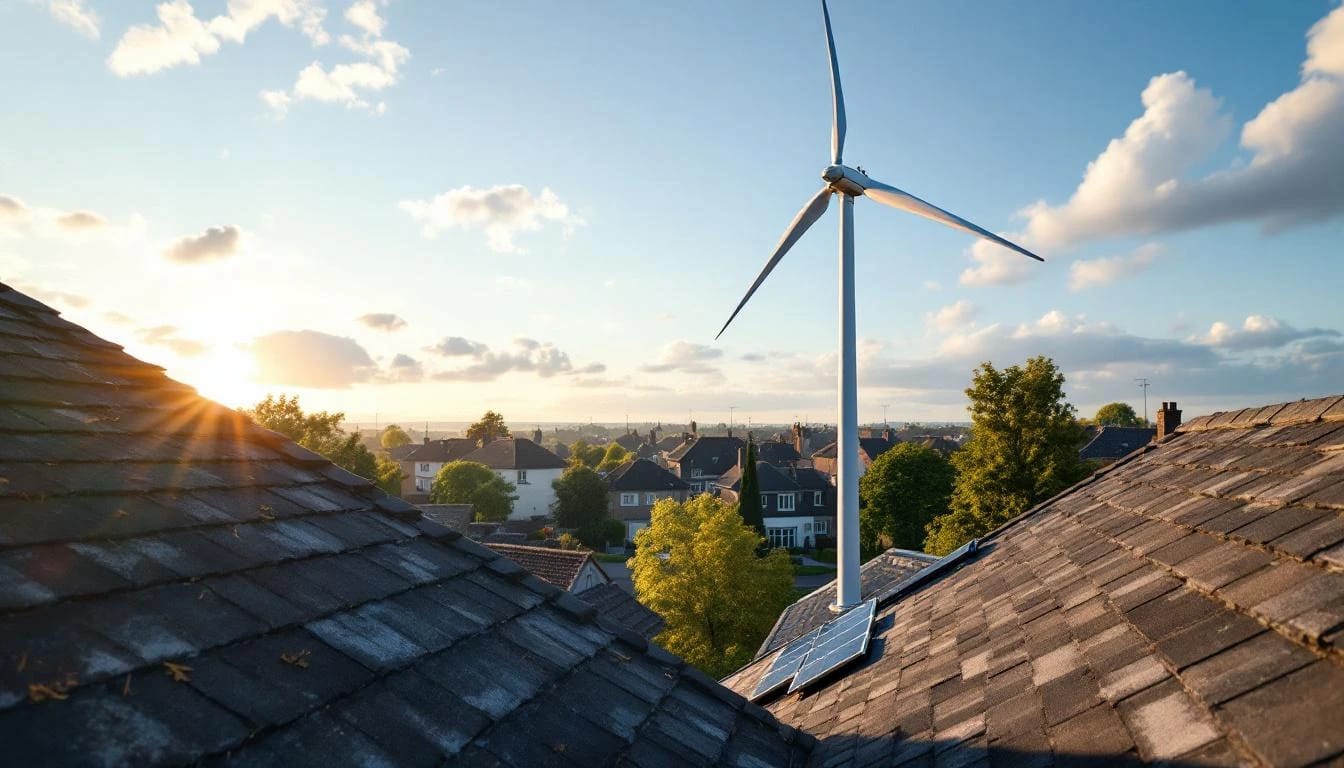
vertical axis turbines
DIY Savonius Wind Turbine From PVC: Weekend Build Guide
Build a functional Savonius vertical-axis wind turbine from PVC pipe in two days. Step-by-step instructions, materials list, and performance expectations included.
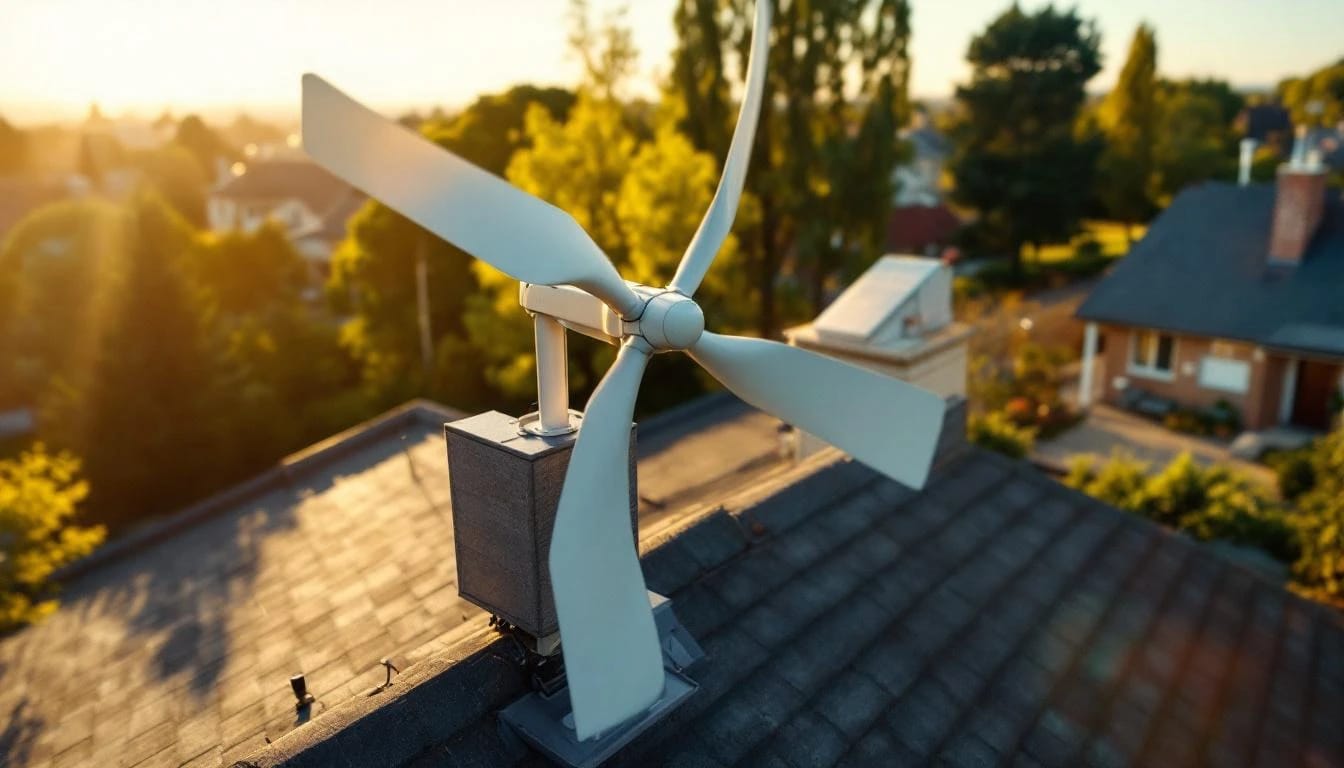
vertical axis turbines
How Vertical-Axis Turbines Actually Perform in Low Wind
Vertical-axis wind turbines start generating power at lower wind speeds than horizontal models but deliver 15-40% less annual energy in typical residential sites.
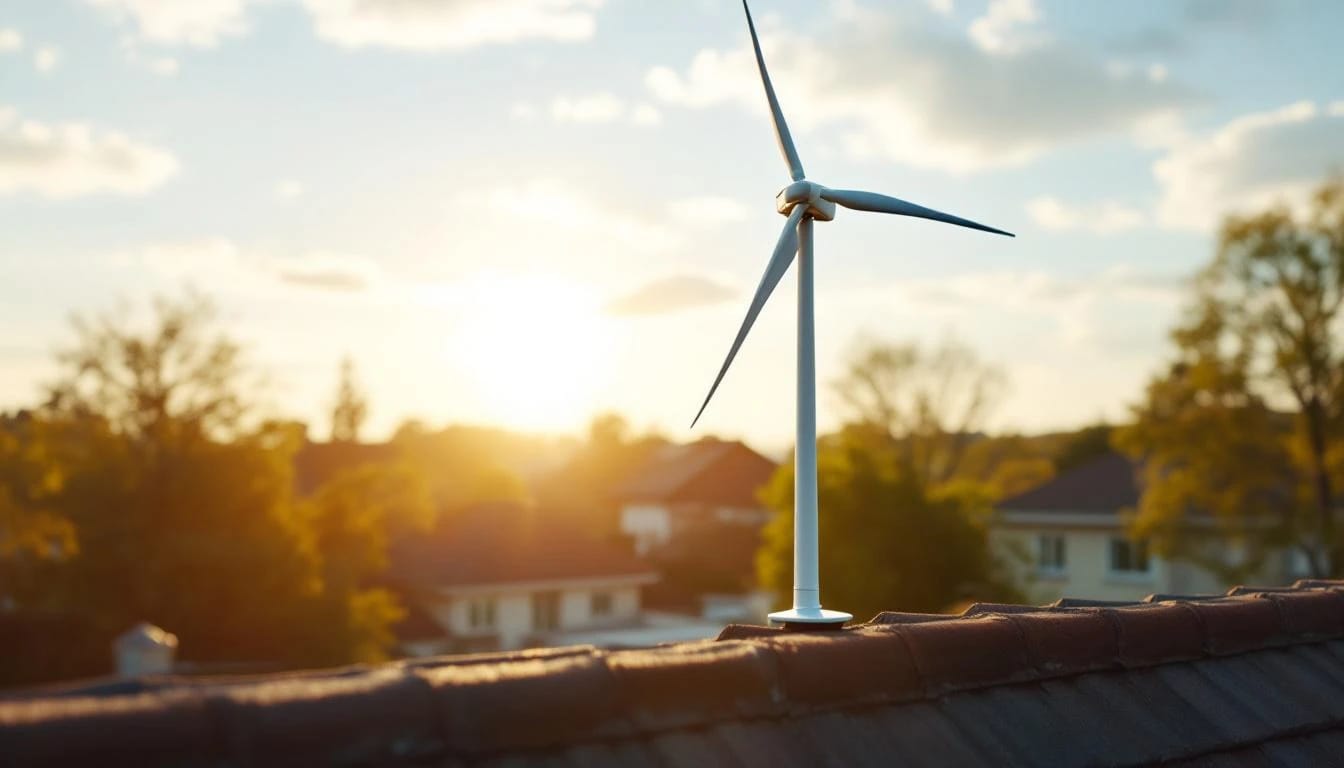
vertical axis turbines
Vertical-Axis Wind Turbines: Honest Pros and Cons for Homes
Vertical-axis wind turbines look sleek but face real performance trade-offs. We examine VAWT efficiency, noise, durability, and cost versus horizontal designs.
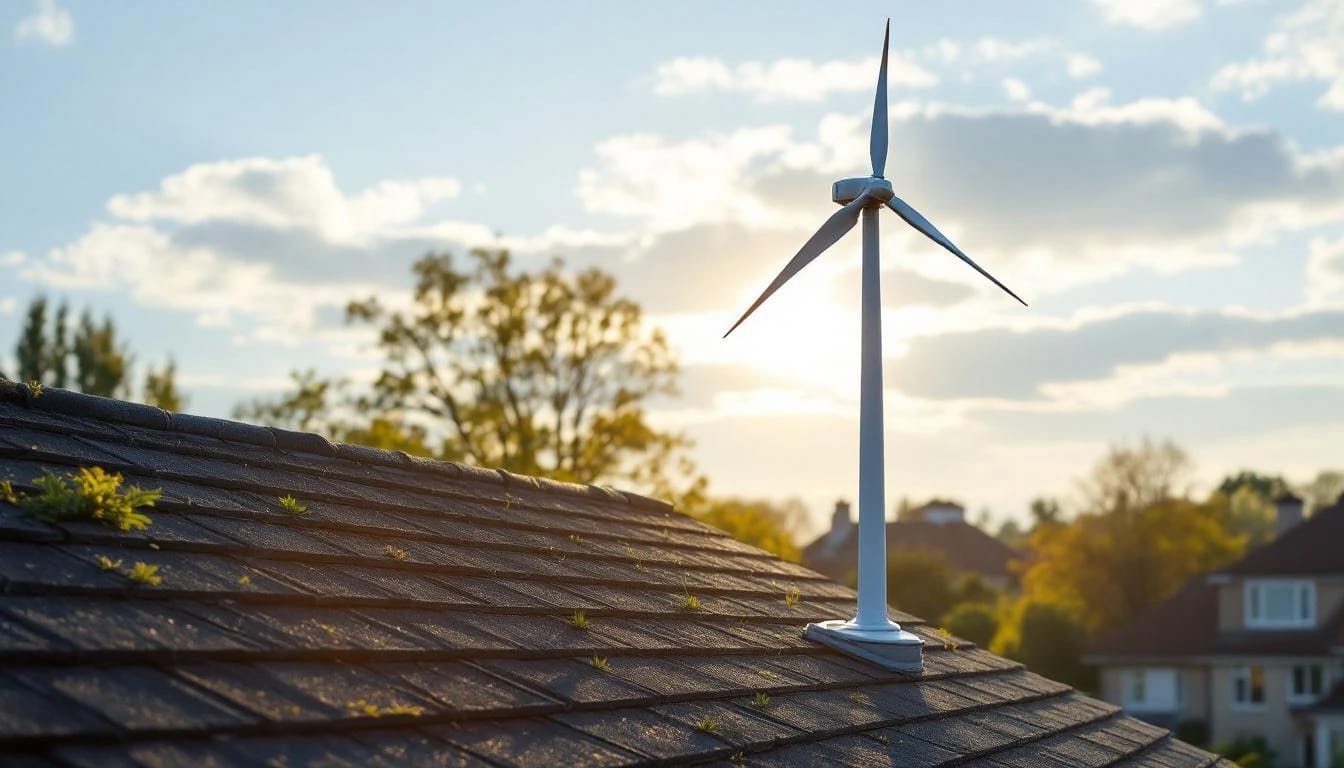
vertical axis turbines
Budget Vertical-Axis Wind Turbines: Entry-Level VAWT Tradeoffs
Budget vertical-axis wind turbines ($200–$1,200) sacrifice efficiency and durability for lower upfront cost. Expect 15–25% capacity factors and frequent maintenance.
vertical axis turbines
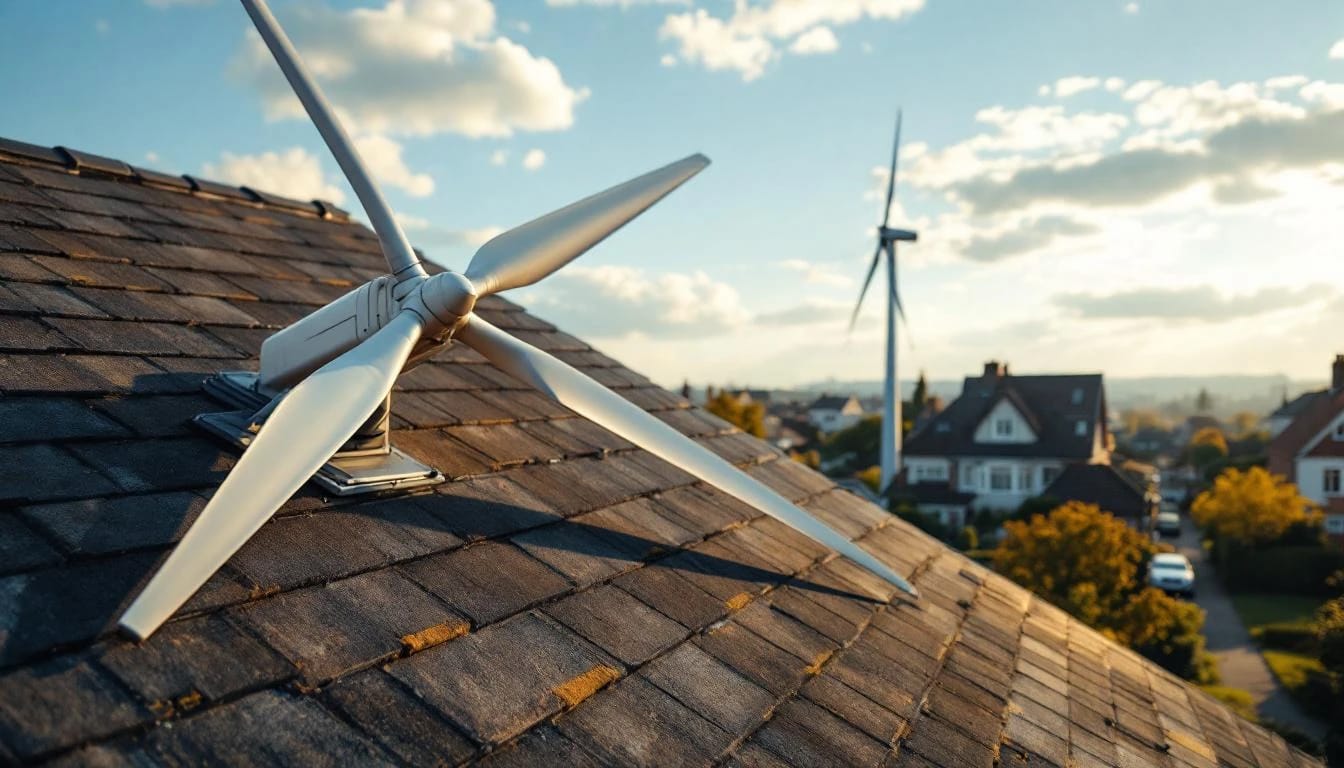
Savonius vs Darrieus Wind Turbine: The 9 mph Rule
Savonius rotors self-start in light, turbulent breezes, while Darrieus rotors get more efficient once steady wind tops 9 mph. Match the rotor to your site.
vertical axis turbines
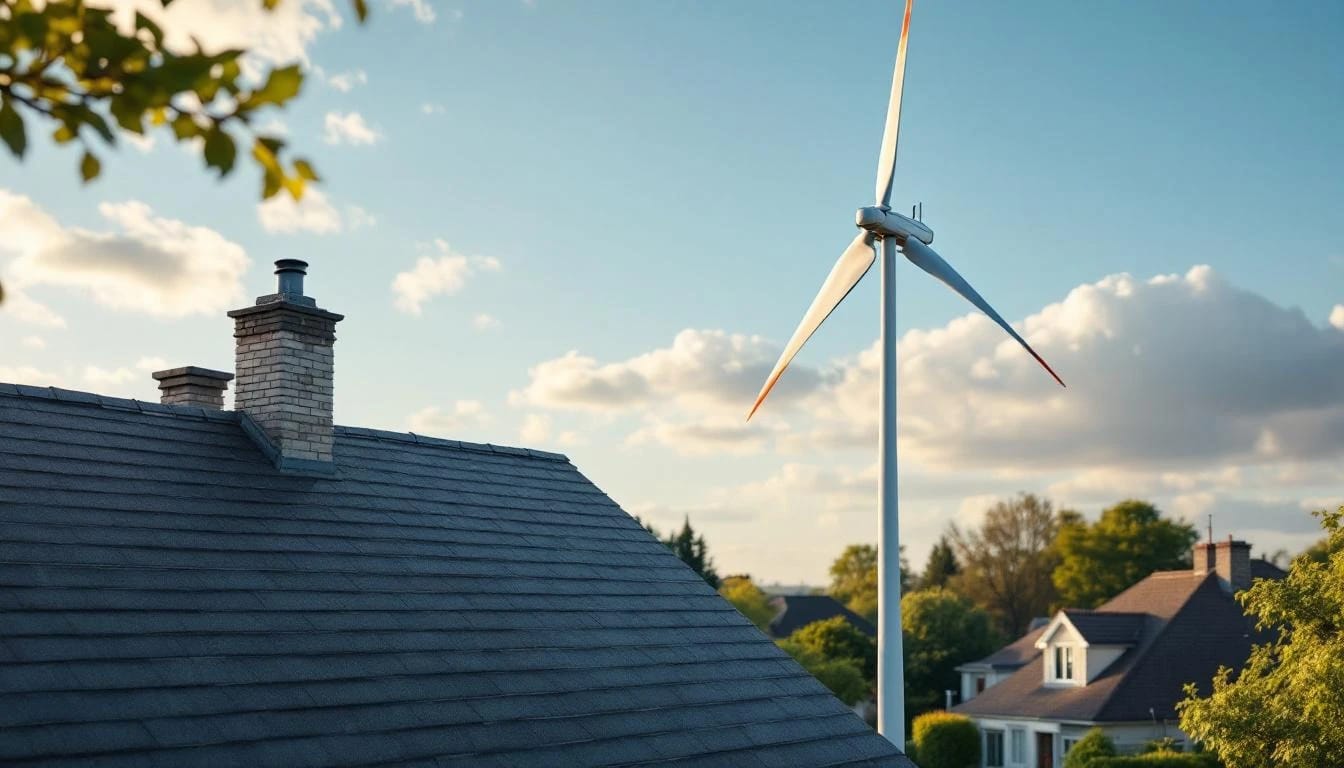
Residential Vertical Wind Turbines in 2026: Category Overview
Vertical-axis wind turbines (VAWTs) offer quieter operation and omnidirectional wind capture for residential sites. This 2026 overview covers proven models, costs, and performance trade-offs.
vertical axis turbines
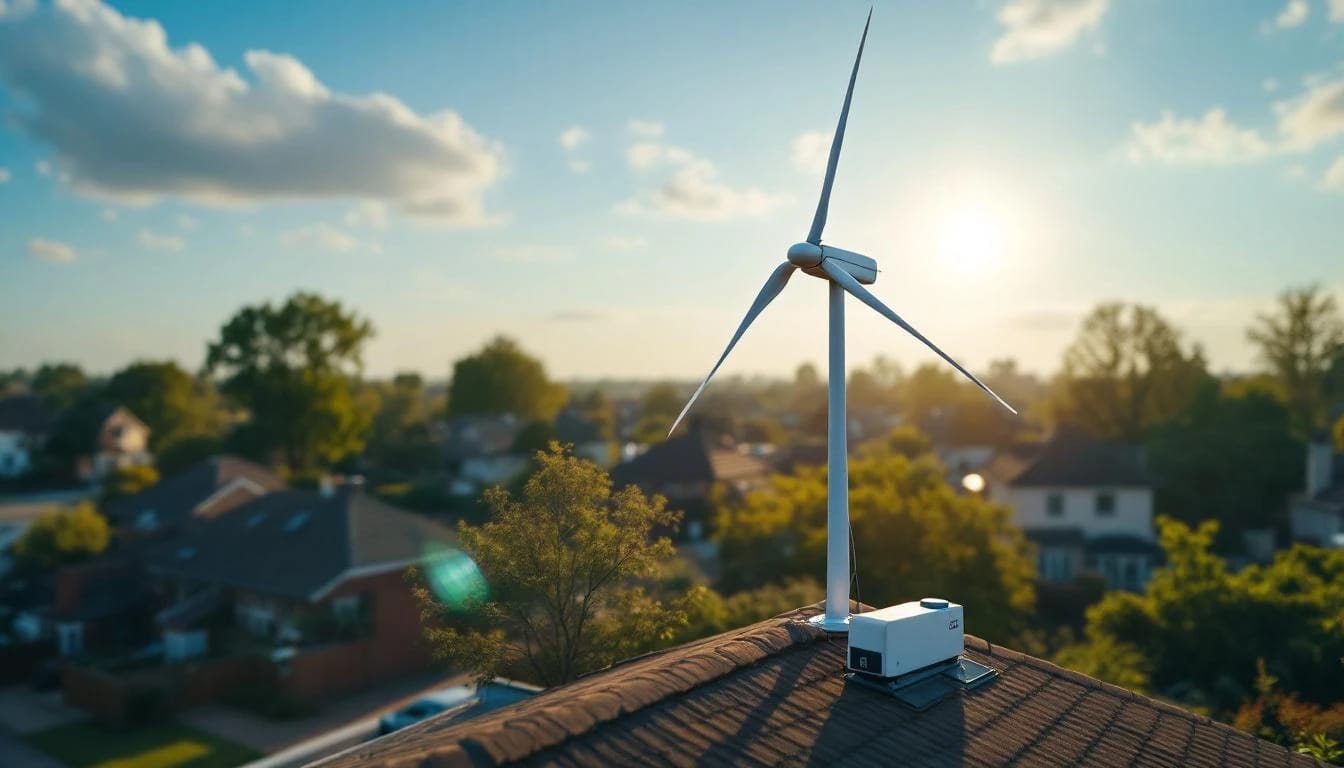
Best Vertical-Axis Wind Turbines for Homes in 2026
Compare proven vertical-axis wind turbines for residential power. Real-world performance, installation costs, and maintenance data for seven VAWT models tested in US homes.
Frequently asked questions
- Are vertical-axis turbines more efficient than horizontal ones?
- No. In clean, steady wind a horizontal-axis turbine (HAWT) extracts more energy for the same swept area and cost. VAWTs win mainly in turbulent or space-constrained sites where their omnidirectional, low-profile design is an advantage.
- Can a VAWT go on a roof?
- VAWTs are the more common rooftop choice because they handle turbulence and are lower-profile, but structural load, vibration transfer into the building, and reduced wind speed near the roof still limit real output. A short tower well above the roofline almost always performs better.
- Savonius or Darrieus — which should I pick?
- Choose Savonius for low, gusty wind, self-starting, and simplicity (good for small loads). Choose Darrieus, or a hybrid, when you have stronger, cleaner wind and want higher output, accepting that it may need a small motor or Savonius starter to begin spinning.