Grid-tie & net metering
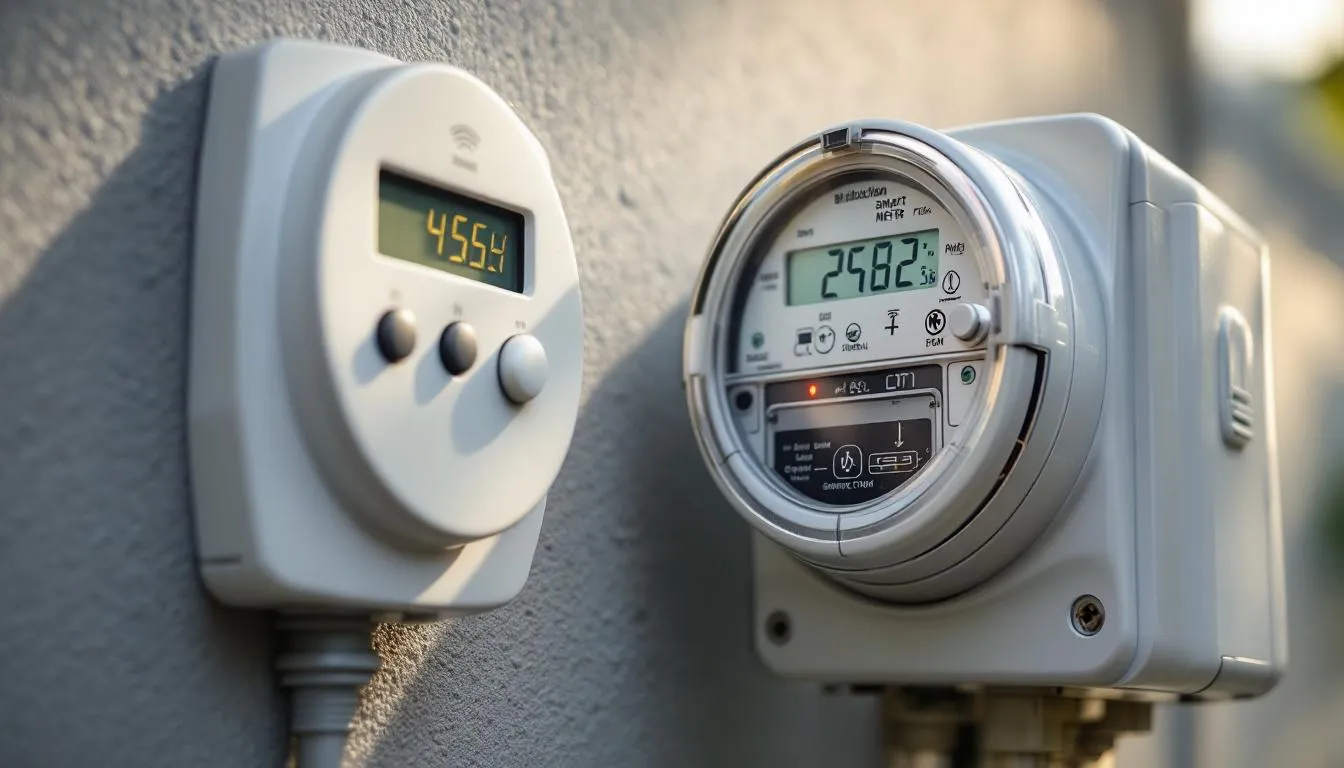
Grid-tied wind systems feed surplus electricity back to the utility, using the grid as virtual storage instead of a large battery bank. Under net metering, the meter effectively runs backward and you are credited for what you export.
Getting connected means a grid-tie inverter with anti-islanding protection, an interconnection agreement with your utility, and compliance with NEC Article 705 and IEEE 1547. The value of exported energy varies enormously by program — from full retail net metering to lower export-only tariffs.
Guides & reviews
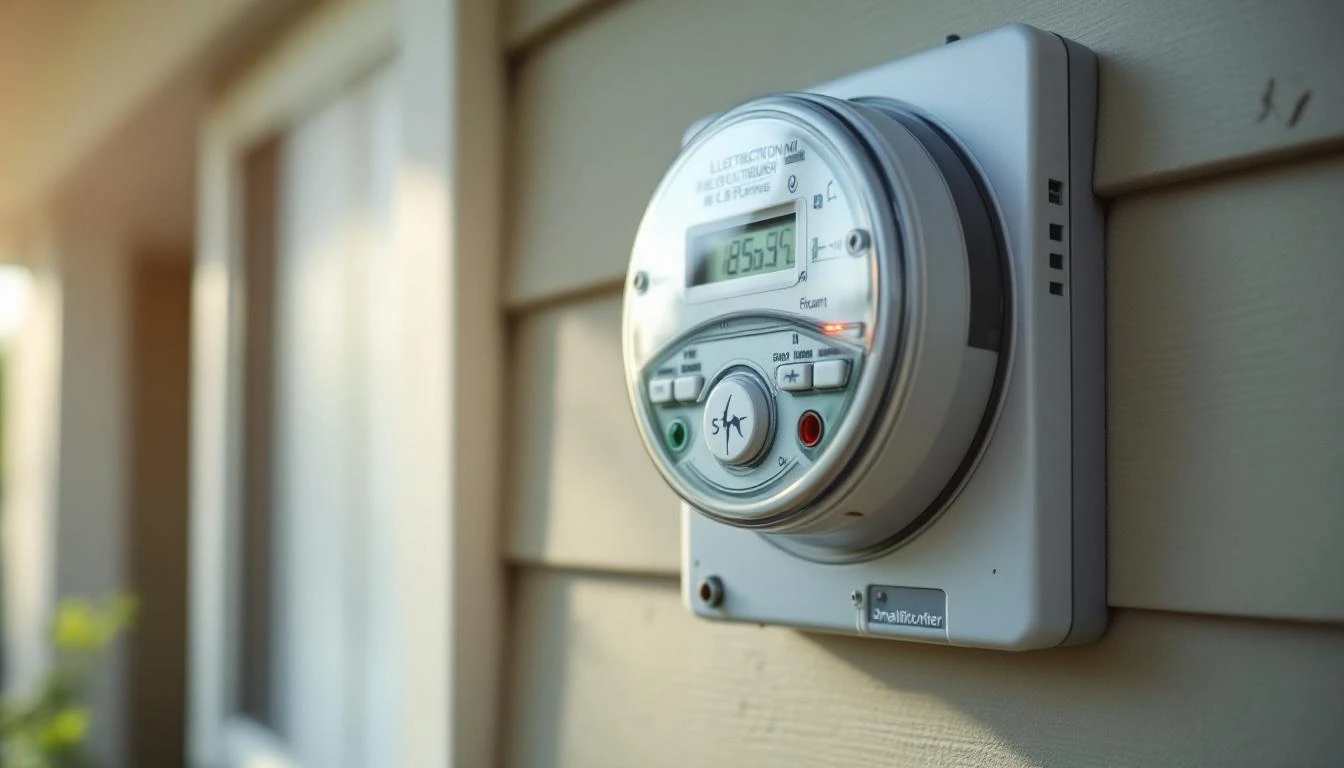
grid tie net metering
Wind Turbines in a Power Outage: Why Most Shut Down
Grid-tied wind turbines shut down the instant the power fails, by design. Learn what anti-islanding protection does and how battery backup changes that.
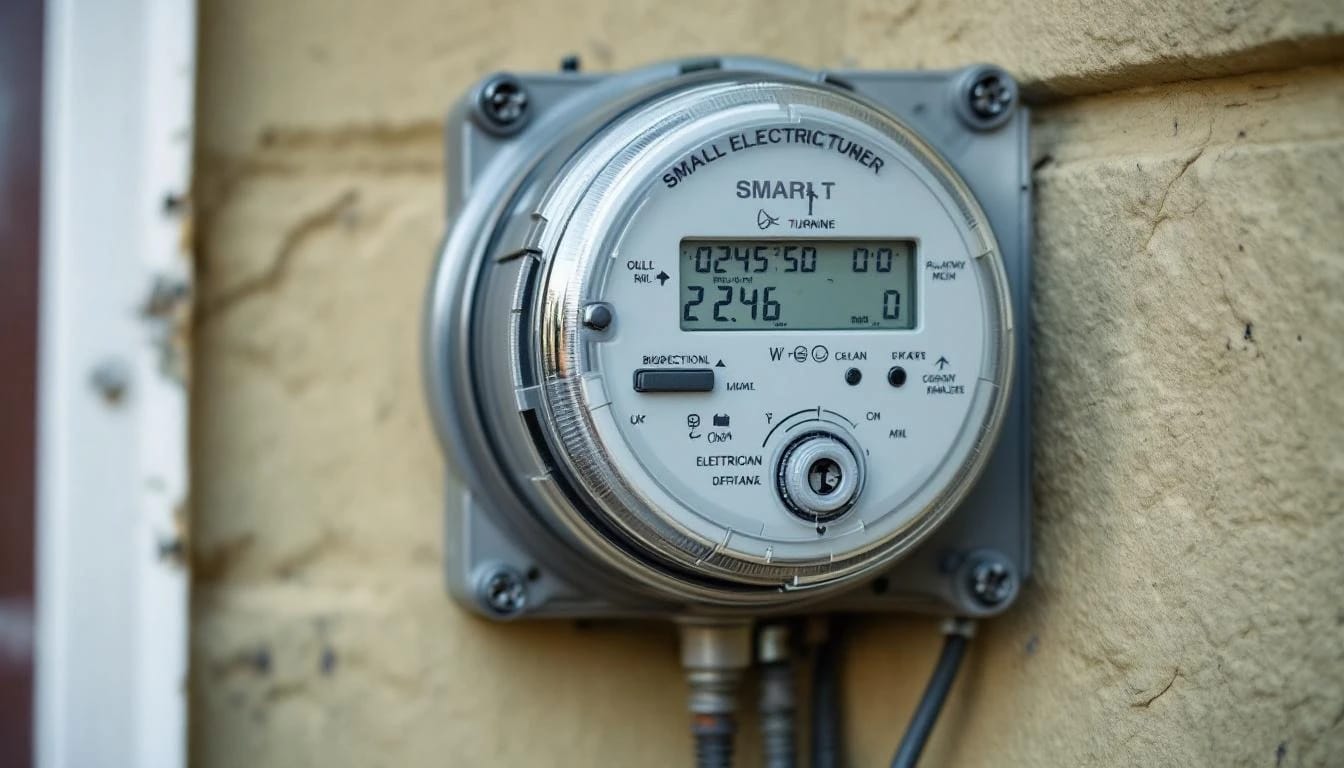
grid tie net metering
How to File a Utility Interconnection Application for Small Wind
Filing a utility interconnection application requires an IEEE 1547-compliant inverter, site plans, electrical diagrams, and proof of insurance—often taking 30-90 days for approval.
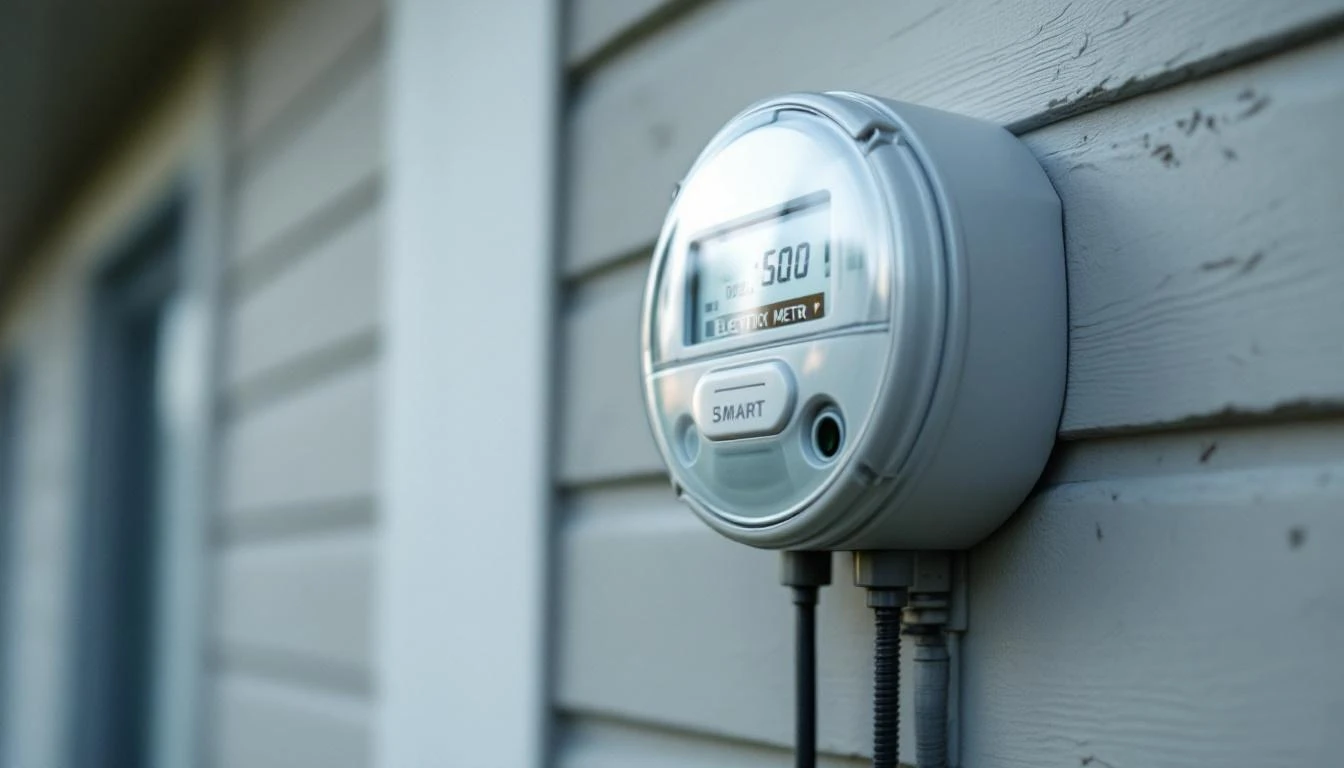
grid tie net metering
Net Metering for Residential Wind Turbines: State-by-State Guide
Net metering policies for residential wind turbines vary dramatically by state. Learn which states offer full retail credit, what caps apply, and how to maximize your grid-tie system's ROI.
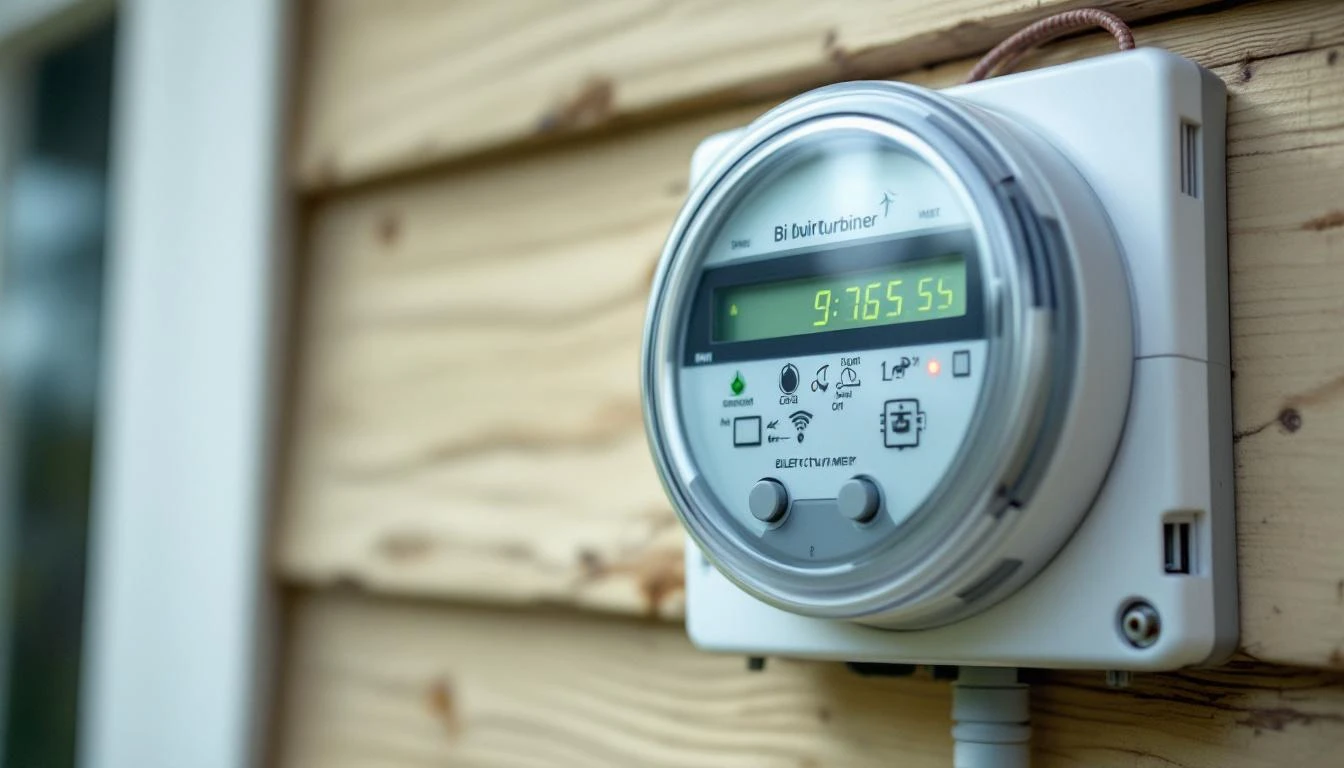
grid tie net metering
Smart Export Guarantee for Wind in the UK: How SEG Payments Work
The Smart Export Guarantee pays UK households for surplus electricity from small wind turbines. Compare tariffs, understand eligibility, and maximise export revenue.
grid tie net metering
Connecting a Wind Turbine to the Grid: NEC 705 & Utility Paperwork
Grid-tied small wind turbines require NEC Article 705 compliance, utility interconnection agreements, and net-metering approval before energizing.
Frequently asked questions
- What is net metering for wind?
- Net metering credits you for surplus electricity your turbine sends to the grid, offsetting the power you draw at other times. The best programs credit exports at the full retail rate; others use a lower wholesale or 'smart export' rate, which changes the payback math significantly.
- What do I need to connect a turbine to the grid?
- A grid-tie inverter with automatic anti-islanding (so it stops feeding a dead line during an outage), a signed interconnection agreement with the utility, and an installation meeting NEC Article 705 and IEEE 1547. Most utilities require an application and inspection before you energize.
- Will a grid-tied turbine power my house during an outage?
- Not by itself — for safety, grid-tie inverters shut down when the grid goes down. To keep power during outages you need a hybrid/battery-backed inverter capable of forming its own grid (islanding) with the turbine and battery.