Smart Export Guarantee for Wind in the UK: How SEG Payments Work
The Smart Export Guarantee pays UK households for surplus electricity from small wind turbines. Compare tariffs, understand eligibility, and maximise export revenue.
Share this article
windturbinehome.com/s/bc4cd3
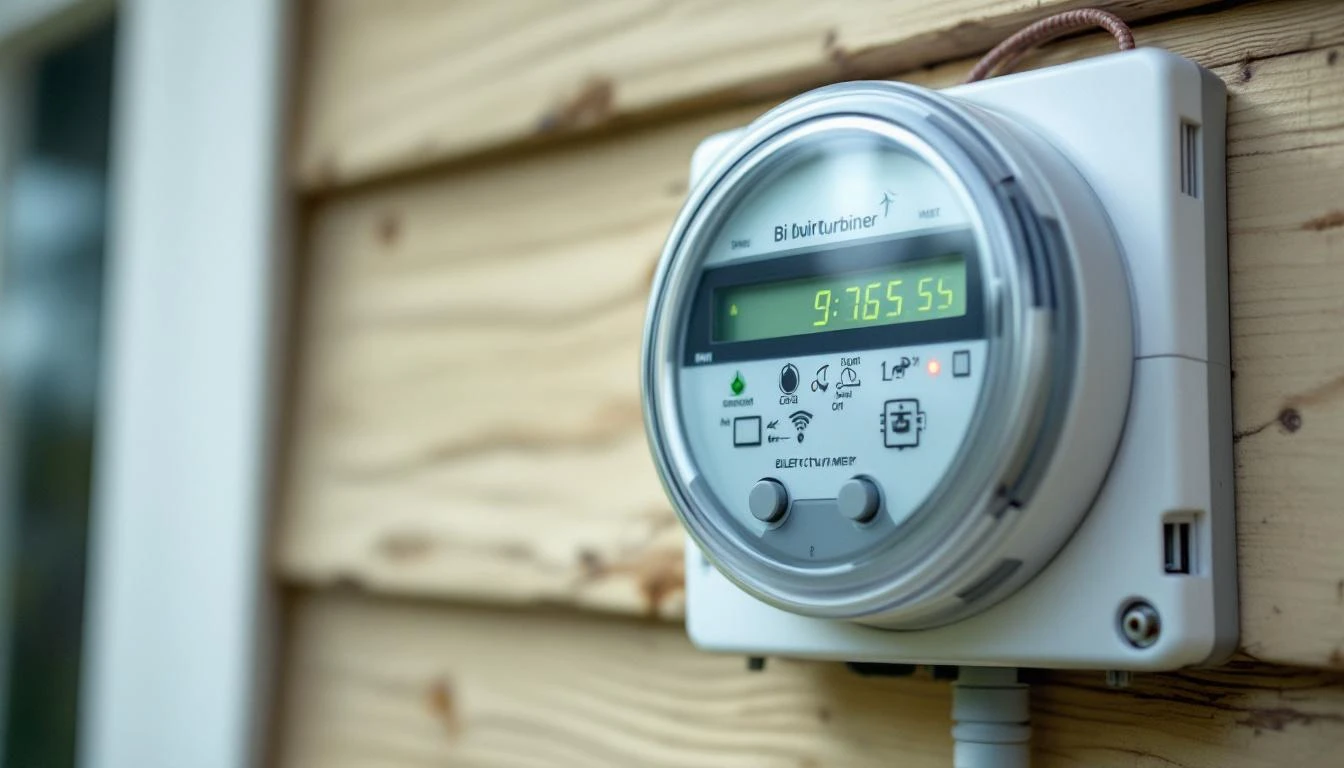
The Smart Export Guarantee (SEG) requires licensed electricity suppliers in Great Britain to pay households and small businesses for surplus renewable electricity exported to the grid. For residential wind turbine owners, this creates a revenue stream that offsets installation costs—typically 3–7p per kilowatt-hour depending on the supplier and tariff chosen. Unlike the previous Feed-in Tariff scheme, SEG rates are not government-mandated and vary significantly between providers, making supplier comparison essential for maximising returns.
What the Smart Export Guarantee actually does
SEG replaced the Feed-in Tariff on 1 January 2020 for new renewable installations. Where FIT paid a generation tariff (for every unit produced) plus an export tariff, SEG pays only for electricity exported to the grid. The owner keeps all electricity used on-site for free, then receives payment for the surplus that flows back through the meter.
All licensed electricity suppliers with 150,000+ domestic customers must offer at least one SEG tariff. Smaller suppliers can participate voluntarily, and several independent energy companies now offer competitive export rates specifically targeting wind and solar generators. The minimum legal rate is greater than zero—deliberately vague phrasing that prompted most suppliers to launch with 1–2p/kWh before market competition pushed rates upward.
Export payments land in the generator's bank account quarterly or annually depending on the supplier's terms. Some providers offer "deemed export" calculations (assuming 50% of generation is exported) for installations without an export meter, though most wind installations benefit from accurate metering given the mismatch between generation and household demand patterns.
Eligibility criteria for wind turbine owners
A residential wind turbine qualifies for SEG if it meets four core requirements. First, total installed capacity must not exceed 5 megawatts for anaerobic digestion or 50 kilowatts for wind—a ceiling that encompasses all domestic turbines and most farm-scale installations. Second, the equipment must be MCS-certified (Microgeneration Certification Scheme), which verifies that both the turbine model and the installer meet recognised standards under MIS 3003.
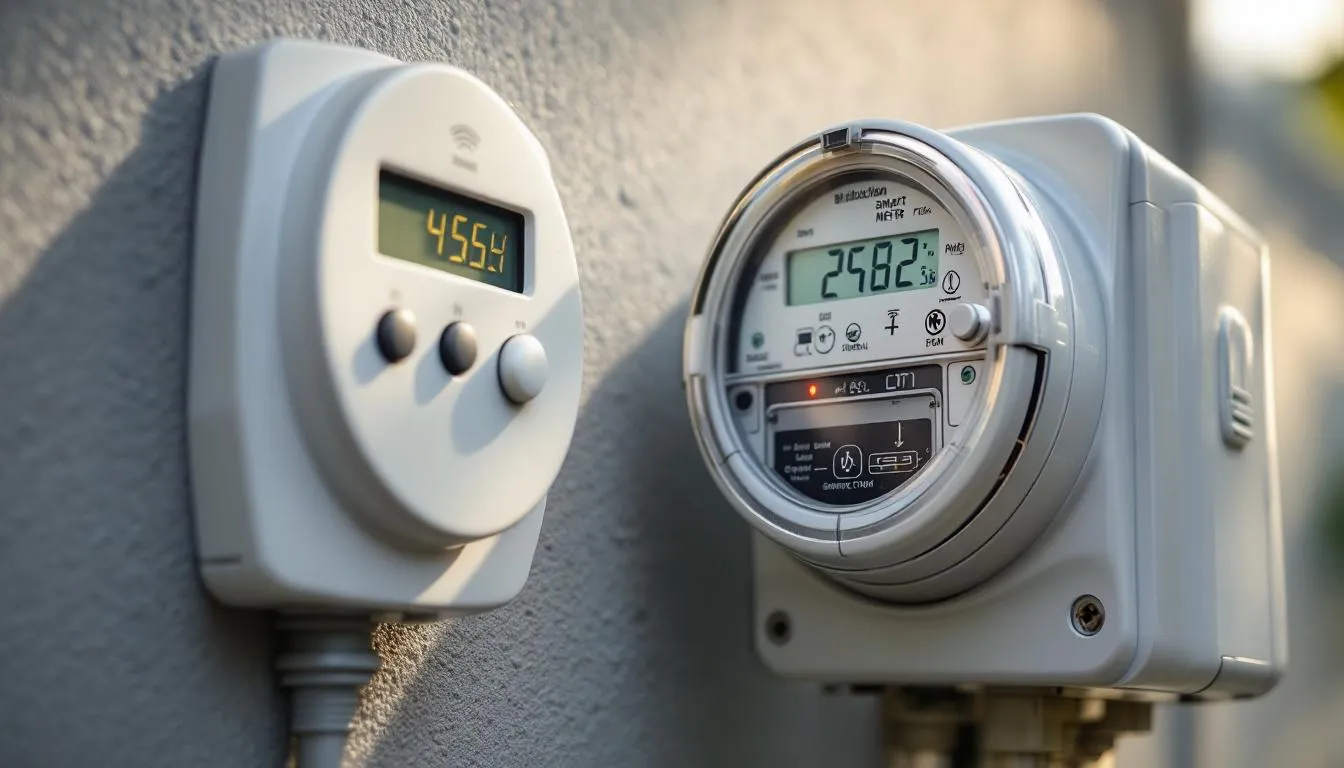
Third, the property needs an export meter capable of half-hourly readings. Smart meters installed since 2018 typically include this functionality as standard. Older mechanical meters or first-generation SMETS1 smart meters may require an upgrade, which the SEG supplier usually arranges at no cost once the application is approved. Fourth, the installation must comply with G98 (up to 3.68 kW single-phase or 11.04 kW three-phase) or G99 (above those thresholds) grid connection standards, confirmed by a Distribution Network Operator connection agreement.
Planning permission or Permitted Development confirmation is not strictly an SEG requirement, but suppliers generally request evidence that the installation is lawful. For England, Permitted Development rights allow turbines up to specific height limits without full planning consent, provided certain criteria are met. Scotland, Wales, and Northern Ireland have separate planning frameworks that applicants must navigate.
How export rates compare across suppliers
Export tariffs in early 2025 range from 1p to 15p per kWh, with wide variation in structure and conditions. British Gas offers a fixed 4p/kWh rate with no time restrictions—straightforward but middling value. Octopus Energy operates three tiers: Outgoing Fixed at 4.1p, Outgoing Agile with half-hourly pricing that follows wholesale market rates (occasionally spiking to 20p+ during peak demand), and Outgoing Octopus at 5.5p. E.ON Next pays 5.8p, EDF offers 4.85p, and Scottish Power sits at 6.5p.
Time-of-use tariffs reward exports during high-demand periods, typically 16:00–19:00 on winter weekdays when the grid is stressed. Octopus Agile tracks wholesale prices and can pay significantly above fixed rates during these windows, though it also dips near zero overnight when wind output is high nationally. This suits turbine owners with battery storage who can hold generation for strategic export timing.
Some suppliers require customers to take both import and export contracts with the same company; others allow split arrangements where you import from one provider and export to another. The latter offers flexibility but adds administrative overhead. Switching SEG suppliers is contractually simpler than switching import tariffs—most agreements have 30-day notice periods with no exit fees.
| Supplier | Fixed Rate (p/kWh) | Time-of-Use Option | Contract Coupling | Payment Frequency |
|---|---|---|---|---|
| Octopus Energy | 4.1–5.5 | Agile (variable, up to 20+) | Optional | Quarterly |
| E.ON Next | 5.8 | None | Required | Quarterly |
| British Gas | 4.0 | None | Optional | Annual |
| Scottish Power | 6.5 | None | Required | Quarterly |
| EDF Energy | 4.85 | None | Optional | Quarterly |
Estimating export revenue for typical installations
A Bergey Excel 6 (6 kW rated) in a moderately exposed UK location generates approximately 8,000–12,000 kWh annually depending on average wind speed. Household consumption for a four-person home averages 3,500 kWh per year, with roughly 40% consumed during daylight/evening hours when wind generation might coincide. The remainder occurs overnight when the turbine may also be producing.
Assume 60% of turbine output is surplus to immediate need—a reasonable estimate for installations without battery storage, given that wind peaks often occur when occupants are at work or asleep. That yields 4,800–7,200 kWh of exportable electricity annually. At 5p/kWh (mid-range SEG rate), revenue lands between £240 and £360 per year. At 10p/kWh (achievable with strategic Agile timing or future tariff improvements), that rises to £480–£720.
An Aeolos-V 3kW vertical-axis turbine produces less absolute output—typically 3,500–5,500 kWh in similar conditions—but may export a higher percentage due to smaller scale. If 70% is surplus, that's 2,450–3,850 kWh exported, worth £122–385 annually at 5p or £245–385 at 10p. These figures exclude the value of self-consumed electricity, which avoids import charges of 25–35p/kWh and represents the larger financial benefit.
Battery storage shifts the economics. A 10 kWh lithium system allows owners to store midday or overnight wind generation for use during peak import price periods, reducing exports but maximising the value of each self-consumed unit. The trade-off: batteries cost £4,000–£7,000 installed, extending payback timelines unless paired with dynamic tariffs that offer arbitrage opportunities.
Application process and technical requirements
Applying for SEG begins after MCS certification is complete. The installer provides an MCS certificate listing turbine make, model, capacity, and commissioning date. This document also confirms compliance with BS 7671 electrical standards and includes the DNO connection agreement reference. Without MCS certification, no SEG tariff is accessible—this single accreditation unlocks eligibility.
Next, approach SEG suppliers with a completed application form (available online from each provider), the MCS certificate, proof of address, and bank details for payment. Some suppliers request photos of the installation and meter. Processing takes 4–12 weeks depending on supplier workload and whether a meter upgrade is needed. Smart meter installations or exchanges add 2–6 weeks but are handled by the supplier at no direct cost to the applicant.
Export meters must comply with half-hourly settlement requirements. SMETS2 smart meters installed since 2019 meet this standard automatically. SMETS1 meters often lack half-hourly export capability and may be replaced or supplemented with an additional meter. Properties with older Ferraris-style mechanical meters definitely require upgrades. The supplier coordinates installation, though the applicant must provide meter access on the scheduled date.
Once approved, export readings flow automatically from smart meters to the supplier's billing system. The generator receives quarterly statements showing exported units and payment value. Manual meter readings are required for non-smart installations—a monthly task that involves submitting readings via an online portal or phone line.
For turbines larger than 3.68 kW single-phase or 11.04 kW three-phase, G99 grid connection requirements mandate advance DNO approval and potentially loss-of-mains protection upgrades. This bureaucratic step precedes MCS certification and can delay project timelines by 8–16 weeks. The installer manages this process, but applicants should confirm DNO approval is secured before ordering equipment.
Tax implications and record-keeping
SEG payments to domestic properties are typically considered income from a hobby rather than trade, making them tax-free under HMRC's trading allowance (£1,000 annually). Most residential wind installations generate well below this threshold. Once export revenue exceeds £1,000 in a tax year, the excess becomes taxable income reportable on a Self Assessment return. Commercial or farm installations with larger turbines face different rules—business income tax and potentially VAT registration if total turnover crosses £85,000.
Capital allowances on the turbine purchase are not available to domestic installations. Businesses can claim Annual Investment Allowance (100% first-year deduction) on qualifying renewable equipment, creating upfront tax relief that improves effective returns. This distinction matters for mixed-use properties or farm buildings where the turbine serves both household and business demand.
Keep records of all MCS documentation, supplier contracts, payment statements, and meter readings for at least six years. These prove eligibility if HMRC or the supplier queries the arrangement, and support warranty claims or future property sales where the SEG agreement transfers to the new owner.
Common misconceptions about SEG
First misconception: SEG pays the same as the old Feed-in Tariff. FIT offered 20–30p/kWh total (generation plus export), with 20-year index-linked contracts. SEG pays only for exports at 3–10p, with rates that can change at short notice. The financial case for wind turbines weakened significantly under SEG, extending payback periods from 8–12 years to 15–25 years in many scenarios.
Second misconception: all suppliers offer the same rate. Export rates vary threefold between providers, and structures differ—fixed versus time-of-use, coupled versus decoupled contracts. Shopping around annually or when rates change is essential. Switching is simpler than for import tariffs, with no cooling-off complications.
Third misconception: you must export all surplus generation. Operators can install export limiting devices or manual disconnects to withhold electricity from the grid during low-price periods if they predict better rates later. This approach requires battery storage to hold the withheld generation, adding complexity and cost. Most owners export continuously because administrative effort exceeds marginal revenue gains.
Fourth misconception: SEG payments cover maintenance costs. Annual service for a 5 kW turbine costs £150–£300. SEG revenue at mid-range rates yields £200–£400, leaving modest surplus. The real financial benefit is avoided import costs (self-consumed electricity worth 25–35p/kWh), not export payments.
Strategic optimisation for higher returns
Installing battery storage transforms export economics. A 10 kWh system stores surplus generation for discharge during high-import-price periods or for export during Agile tariff spikes. When wholesale prices surge to 40p+ (rare but occurring several times annually), a fully charged battery exported strategically can earn £4 in a single hour. Over a year, this opportunistic export might add £50–£150 to baseline SEG revenue.
Pairing wind with solar panels creates complementary generation patterns—wind peaks overnight and in winter, solar dominates summer days. This mix reduces grid reliance year-round and increases self-consumption percentage. The combined capacity must stay within the 50 kW SEG ceiling, but a 5 kW turbine plus 6 kW solar array remains comfortably eligible. Both systems share the same export meter and MCS application process.
Load shifting moves discretionary consumption (washing machines, dishwashers, EV charging) to windy periods identified by weather forecasts or real-time generation monitoring. Smart home systems automate this scheduling, boosting self-consumption without manual intervention. Every kilowatt-hour self-consumed saves 25–35p import charges—five to seven times the value of exporting the same unit at 5p.
Joining a peer-to-peer energy trading platform allows direct sales to neighbouring properties at negotiated rates above standard SEG but below retail import prices. These platforms (Piclo, Open Utility) remain niche in the UK and require compatible smart meters plus administrative engagement. For large rural turbines serving multiple properties, this model can double export revenue compared to wholesale SEG rates.
Future outlook for UK wind export tariffs
SEG rates track wholesale electricity prices, which are influenced by natural gas costs, renewable generation share, and interconnector flows with Europe. As offshore wind capacity expands, wholesale prices during high-wind periods compress, potentially reducing export tariff competitiveness. Conversely, fossil fuel phase-out and electrification of heat and transport are pushing peak demand prices upward, benefiting time-of-use tariffs.
Ofgem reviews the SEG framework periodically. Proposals for a minimum floor price of 5p or mandatory time-of-use tariffs from all suppliers surface occasionally but face resistance from industry. A 2024 consultation floated the idea of community energy tariffs that aggregate local renewable generators for better bargaining power, though implementation timelines remain undefined.
Smart export contracts that reward grid services (frequency response, voltage support) are emerging for battery storage systems. Extending these to wind turbines requires DNO agreement and advanced inverter controls, currently practical only for installations above 10 kW. As grid flexibility becomes critical, these ancillary revenue streams may become accessible to smaller domestic turbines within the next 5–10 years.
Climate policy uncertainty—particularly around subsidies and planning reform—creates risk. The UK government's net-zero commitment supports continued renewable deployment, but electoral cycles introduce variability. Long-term SEG viability depends on wholesale market structures that value distributed generation, not just central mandates.
Can I get SEG payments if my turbine is not MCS-certified?
No. MCS certification is a non-negotiable eligibility requirement for SEG. Without it, no licensed supplier will offer an export tariff. Turbines installed before the MCS scheme existed or models never certified cannot access SEG payments. Retrofitting certification is rarely possible—replacing the turbine with a certified model is the usual solution.
Do SEG payments continue for the lifetime of the turbine?
SEG does not guarantee payment duration. Suppliers can terminate tariffs with 30 days' notice, though competition incentivises maintaining offerings. The scheme itself has no statutory end date, but future governments could replace or abolish it. Unlike FIT's 20-year contracts, SEG provides no long-term revenue certainty.
What happens to export payments when I sell my house?
The SEG agreement typically transfers to the new owner if they choose to continue it, provided they update the supplier with new bank details and proof of ownership. The MCS certificate travels with the property. If the buyer switches electricity suppliers, they'll need to reapply for SEG with the new provider. Export revenue is not considered an asset in property valuations, though the turbine installation itself adds to home value in appropriate locations.
Can I have multiple small turbines on one property under a single SEG agreement?
Yes, provided total capacity stays below 50 kW and all turbines are MCS-certified. They connect to a single export meter and receive a single aggregated payment. Some installers configure multiple turbines (e.g., three 1.5 kW Primus units) to diversify wind capture across a site. The DNO may require individual G98/G99 notifications depending on each turbine's rating, but SEG treats the combined installation as one generator.
Is there a deadline to apply for SEG after installation?
No statutory deadline exists, but delayed applications forfeit potential export revenue for the interim period. Suppliers pay only from the date they receive meter readings or commission smart export tracking—retroactive payments for historical exports are not provided. Applying immediately after MCS certification is issued maximises cumulative earnings.
Bottom line
The Smart Export Guarantee provides modest but reliable revenue for UK wind turbine owners, typically covering annual maintenance costs with a small surplus. Export rates of 3–10p/kWh pale compared to the 25–35p saved per kilowatt-hour consumed on-site, making self-consumption optimisation the primary financial strategy. Applicants need MCS certification and a compatible export meter—then comparing supplier tariffs annually ensures best available rates. The real value of residential wind lies in decades of reduced import bills, with SEG payments serving as a secondary benefit rather than the core investment justification.
Ready to maximise your wind turbine's earnings? Review current SEG tariff rates from top UK suppliers and calculate your expected export revenue with our wind turbine ROI calculator.
Share this article
windturbinehome.com/s/bc4cd3
Editorial note: This article was researched and written by a member of the Wind Turbine Home editorial team. AI-assisted tools were used for spell-checking and light grammar review only — all research, analysis, and conclusions are our own. Our editorial policy prohibits sponsored content and paid placements. Read our editorial policy →
Related reading
grid tie net metering
Wind Turbines in a Power Outage: Why Most Shut Down
Grid-tied wind turbines shut down the instant the power fails, by design. Learn what anti-islanding protection does and how battery backup changes that.
grid tie net metering
How to File a Utility Interconnection Application for Small Wind
Filing a utility interconnection application requires an IEEE 1547-compliant inverter, site plans, electrical diagrams, and proof of insurance—often taking 30-90 days for approval.
grid tie net metering
Net Metering for Residential Wind Turbines: State-by-State Guide
Net metering policies for residential wind turbines vary dramatically by state. Learn which states offer full retail credit, what caps apply, and how to maximize your grid-tie system's ROI.
grid tie net metering
Connecting a Wind Turbine to the Grid: NEC 705 & Utility Paperwork
Grid-tied small wind turbines require NEC Article 705 compliance, utility interconnection agreements, and net-metering approval before energizing.