Mara Ellsworth
Senior reviews editor
Beat: Residential vertical-axis and small horizontal-axis turbines
Mara has been writing about distributed renewables since 2019 and edits the residential turbine reviews on Wind Turbine Home. Before that she worked as a technical writer for a small electrical contractor in upstate New York, which is where the curiosity about rooftop wind started — most of the systems she saw were sized wrong. She runs a 1.5 kW Primus on a 45-foot tilt-up tower at her own place, mostly because she wanted something to compare review samples against. She prefers tilt-down towers over guyed-fixed for anyone who plans to do their own maintenance, and will say so in print.
Articles by Mara Ellsworth
news
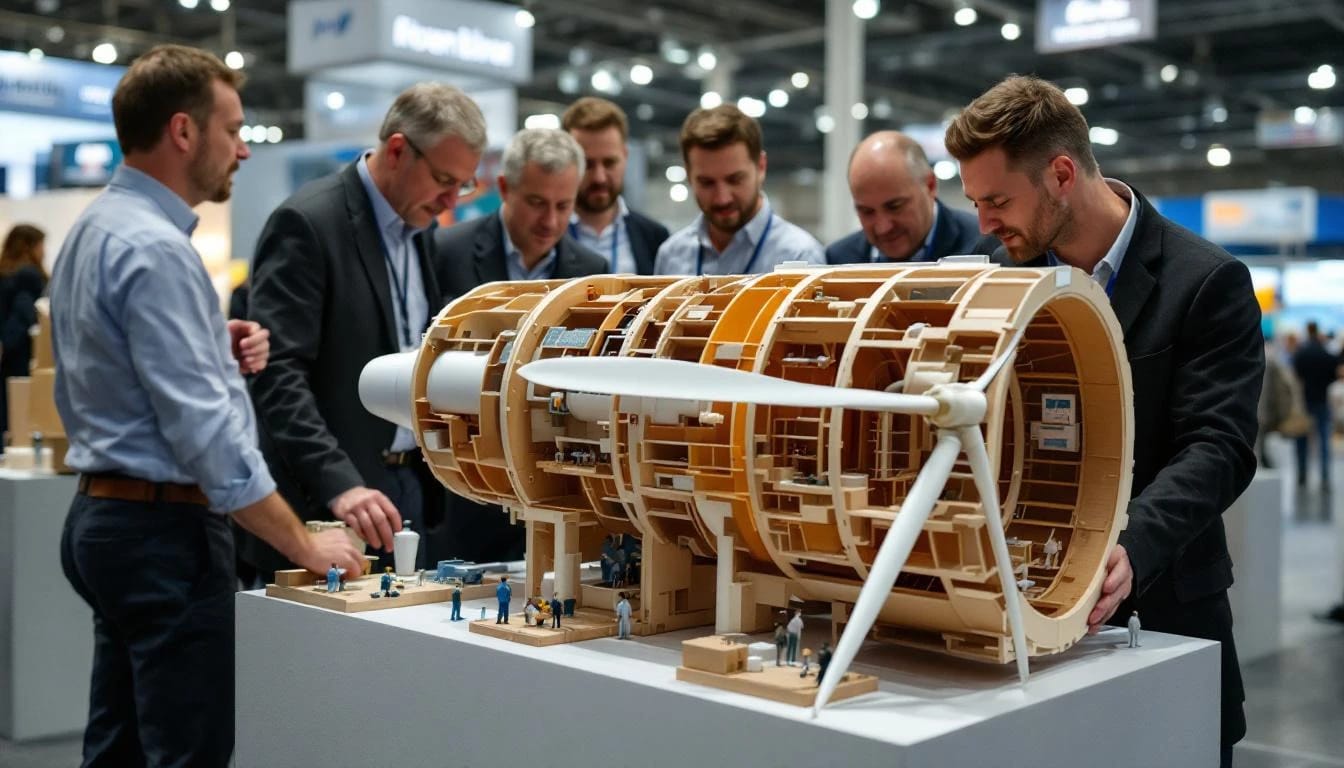
IEA Wind 2025 Report: 4 Takeaways for Small Wind Turbine Buyers
The IEA Wind 2025 report shows distributed wind lagging utility-scale growth. Four critical insights help residential buyers navigate cost, grid connection, and turbine selection in 2025.

micro wind turbines
Best Micro Wind Turbines Under 1 kW for Cabins and Boats 2024
Independent test data and owner feedback reveal which sub-1kW wind turbines deliver real power on remote cabins and boats—plus installation codes and cost breakdowns.

micro wind turbines
Marine Wind Generator Buyer Guide for Sailboats (2024)
Compare marine wind generators for sailboats by power output, noise, durability, and mounting. Learn which turbines hold up in salt spray and high wind.
small wind turbines
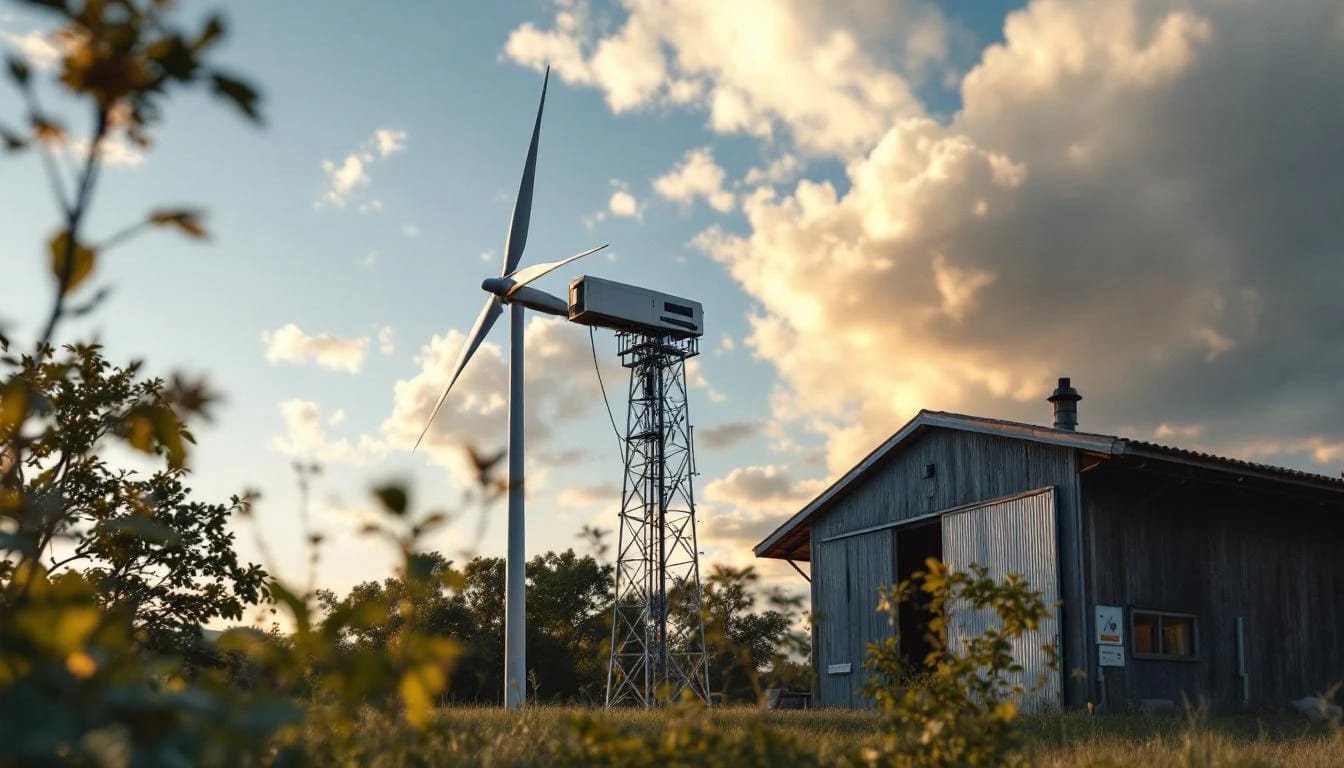
Furling vs Pitch Control on Small Wind Turbines: Rotor Protection Explained
Small wind turbines use furling or pitch control to protect rotors in high winds. Furling turns the turbine sideways; pitch feathers the blades. Compare costs, reliability, and best applications.
small wind turbines
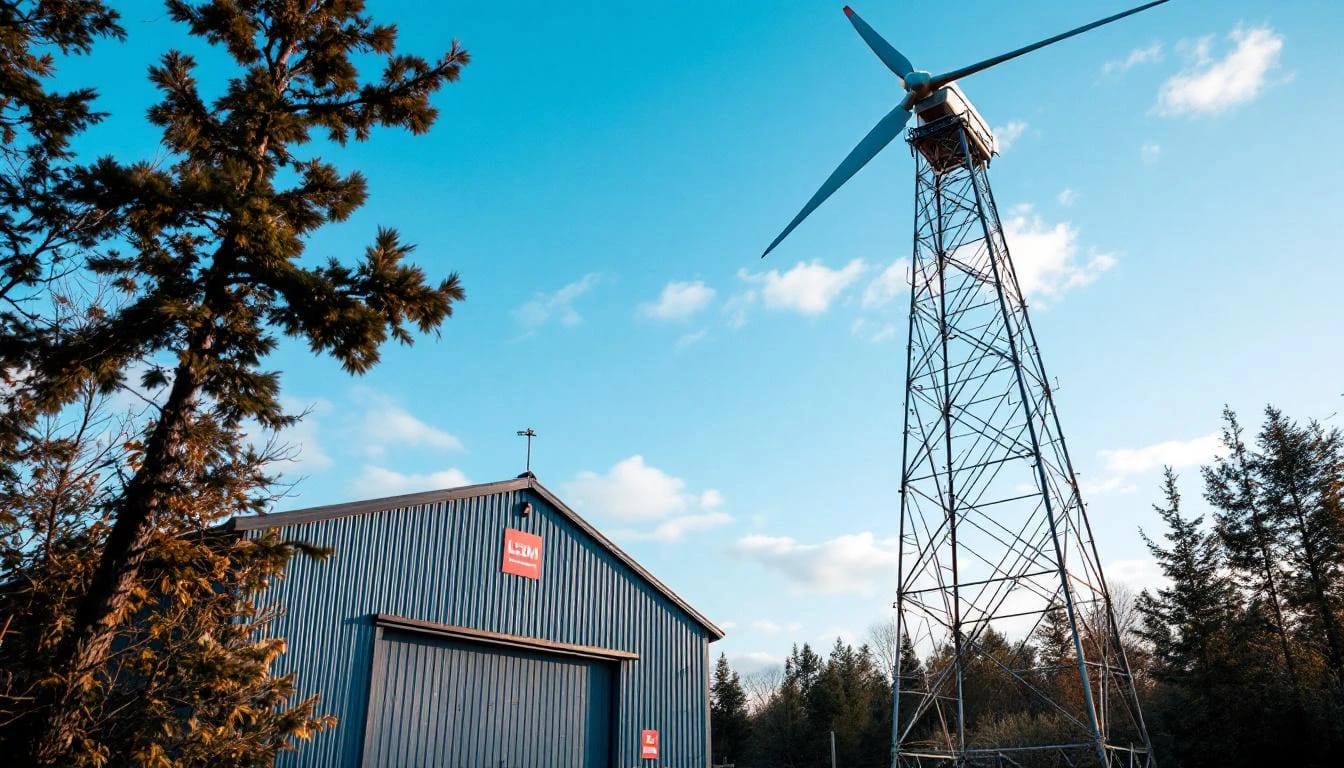
Capacity Factor for Small Wind Turbines: Realistic Numbers by Site
Most residential wind turbines deliver 10–25% capacity factor in average sites, 25–35% in excellent wind. Learn what those numbers mean for your energy bills.

small wind turbines
Tip Speed Ratio for Residential Turbines: What to Spec
Tip speed ratio determines how efficiently your small wind turbine extracts energy. Learn optimal TSR ranges for HAWT vs VAWT, why it matters for residential installs, and how to match turbine specs to your site conditions.
small wind turbines
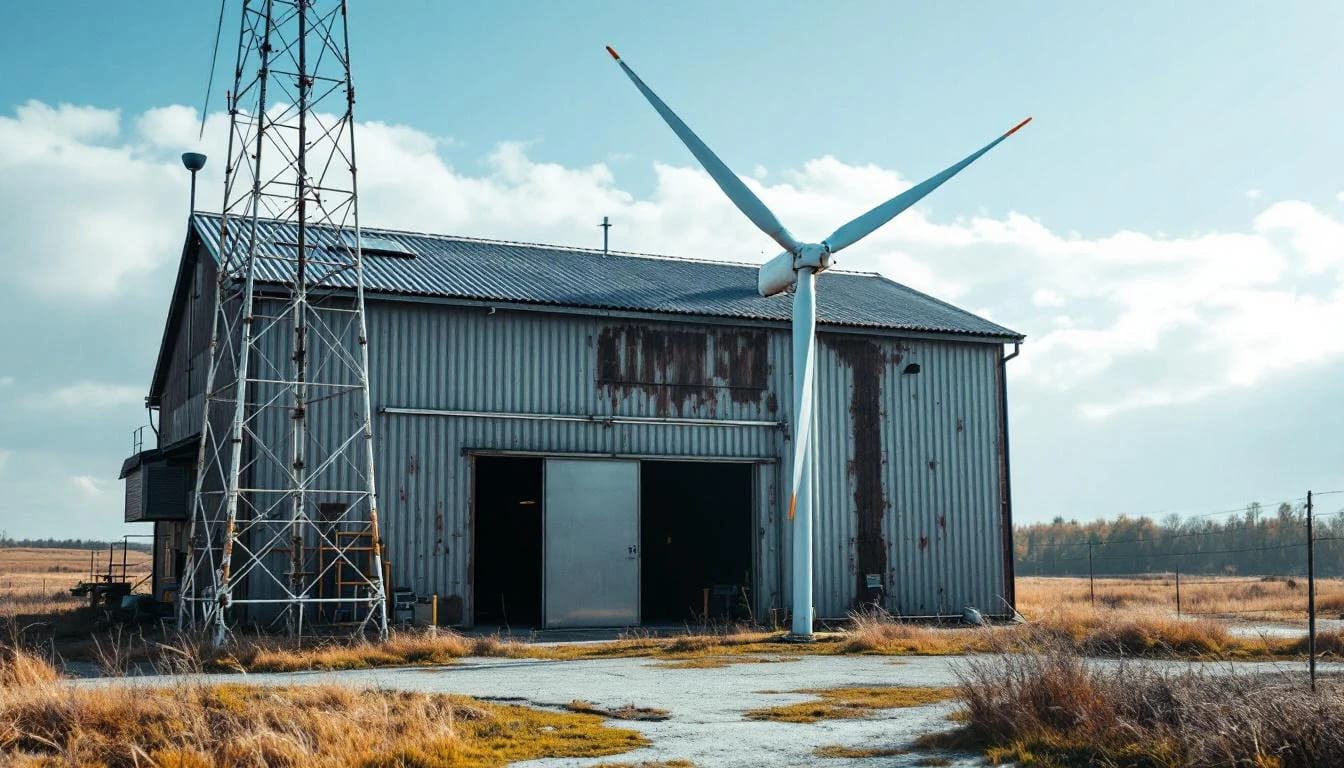
Betz Limit Explained: Why No Turbine Extracts More Than 59.3%
The Betz limit proves no wind turbine can convert more than 59.3% of wind's kinetic energy into electricity—a fundamental physics constraint that shapes every rooftop and backyard turbine design.

vertical axis turbines
DIY Savonius Wind Turbine From PVC: Weekend Build Guide
Build a functional Savonius vertical-axis wind turbine from PVC pipe in two days. Step-by-step instructions, materials list, and performance expectations included.
wind vs solar
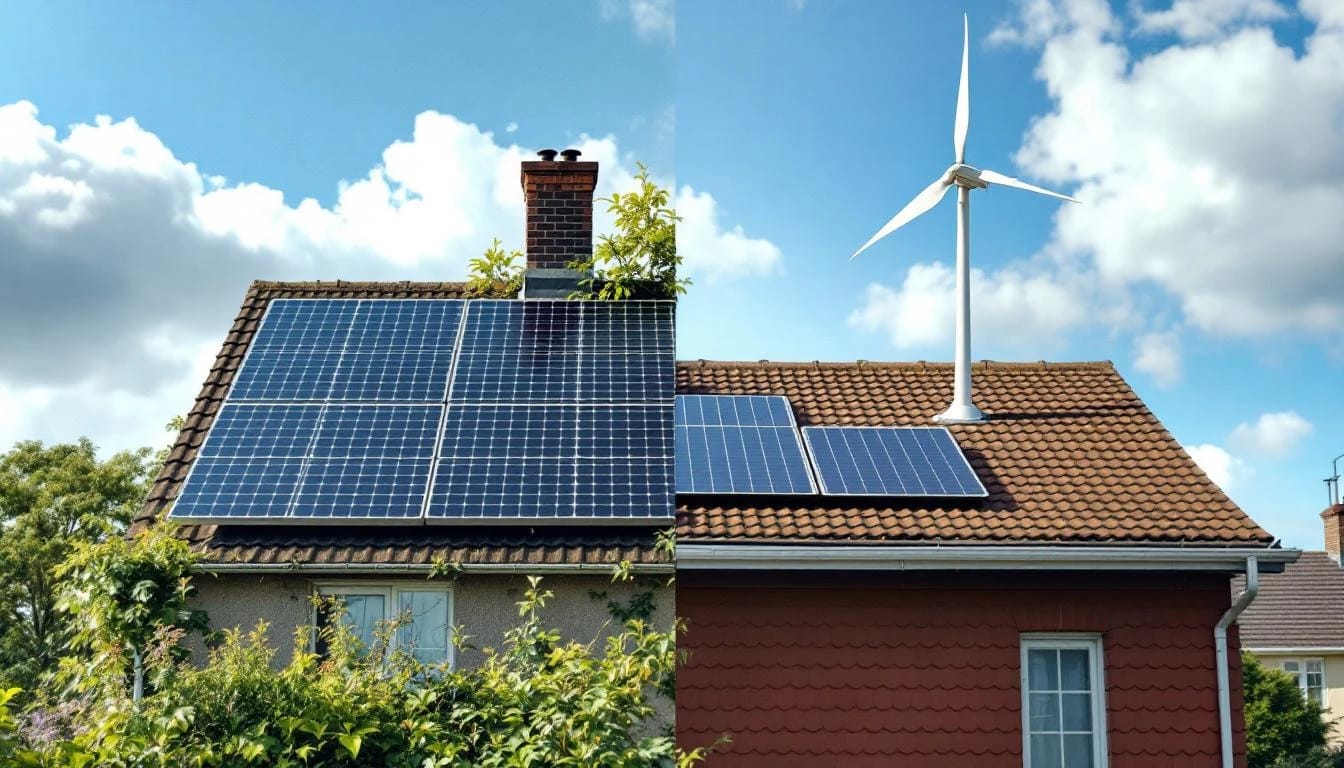
Cost per kWh: Wind vs Solar at Residential Scale in 2026
Residential wind costs $0.18–$0.42/kWh versus solar's $0.06–$0.14/kWh when averaged over 20 years. Site wind speed and roof versus tower installation drive the difference.
wind vs solar
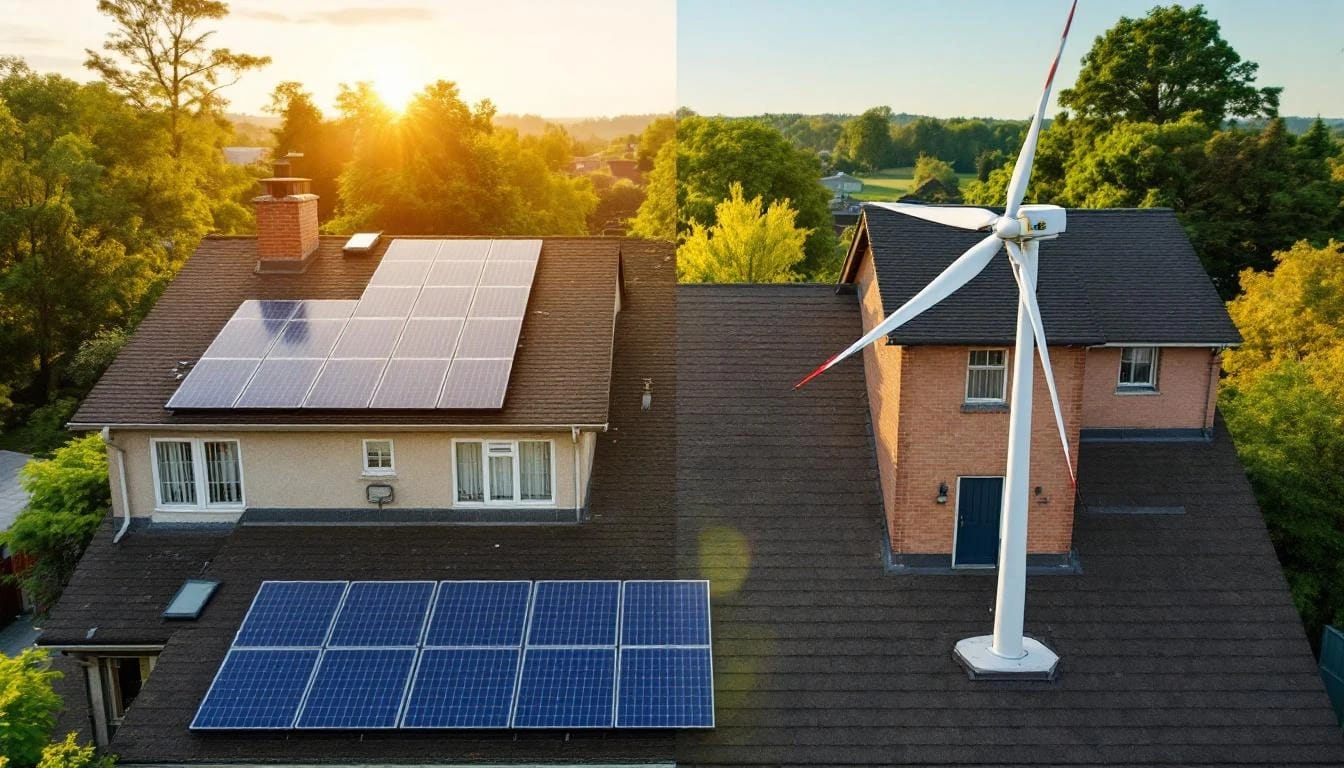
Wind vs Solar for Residential: Which One Wins for Your Site
Wind turbines excel in open, windy sites with consistent 12+ mph winds; solar panels dominate in most suburban settings. Compare costs, energy output, and site requirements.
small wind turbines
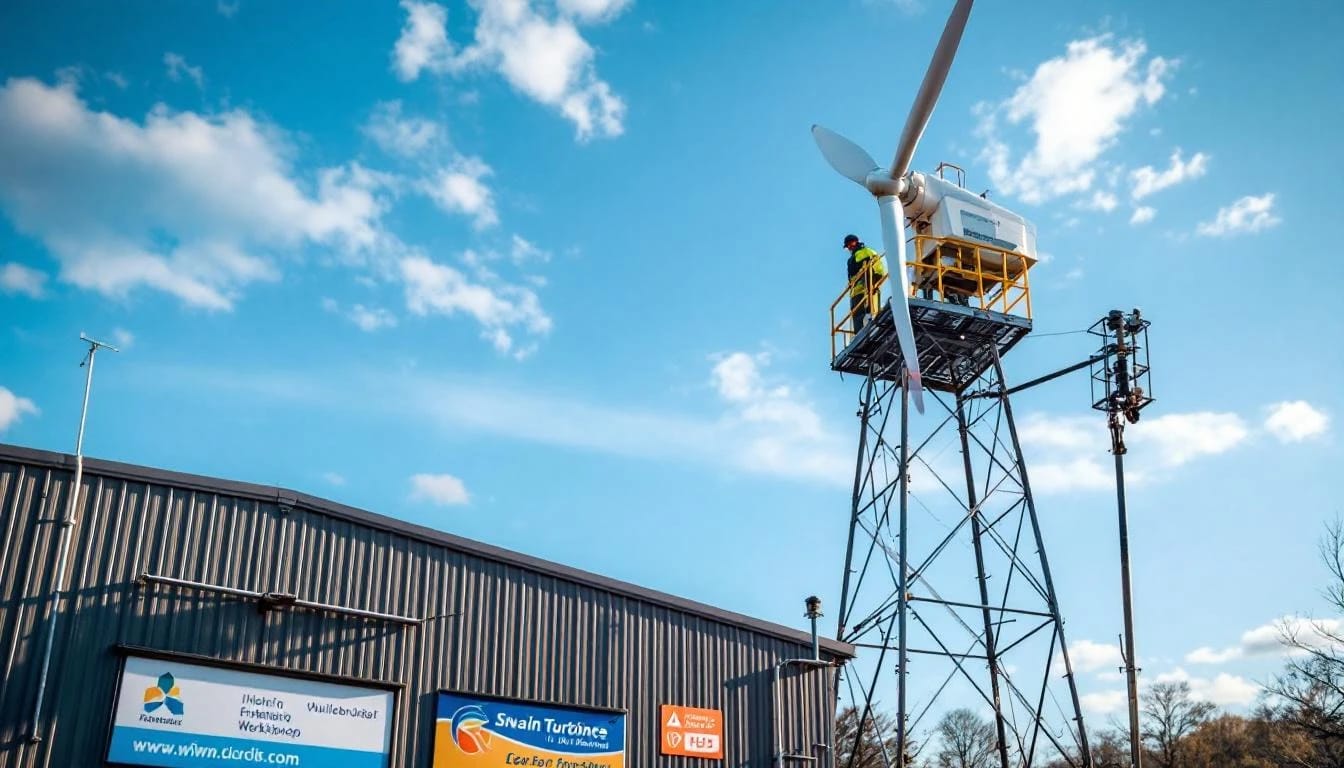
IEC 61400-2 Standard Explained: Small Wind Turbine Safety Guide
IEC 61400-2 sets the global safety and performance rules for wind turbines under 200 kW. This guide explains certification requirements, structural tests, and what compliance means for U.S. homeowners.
small wind turbines
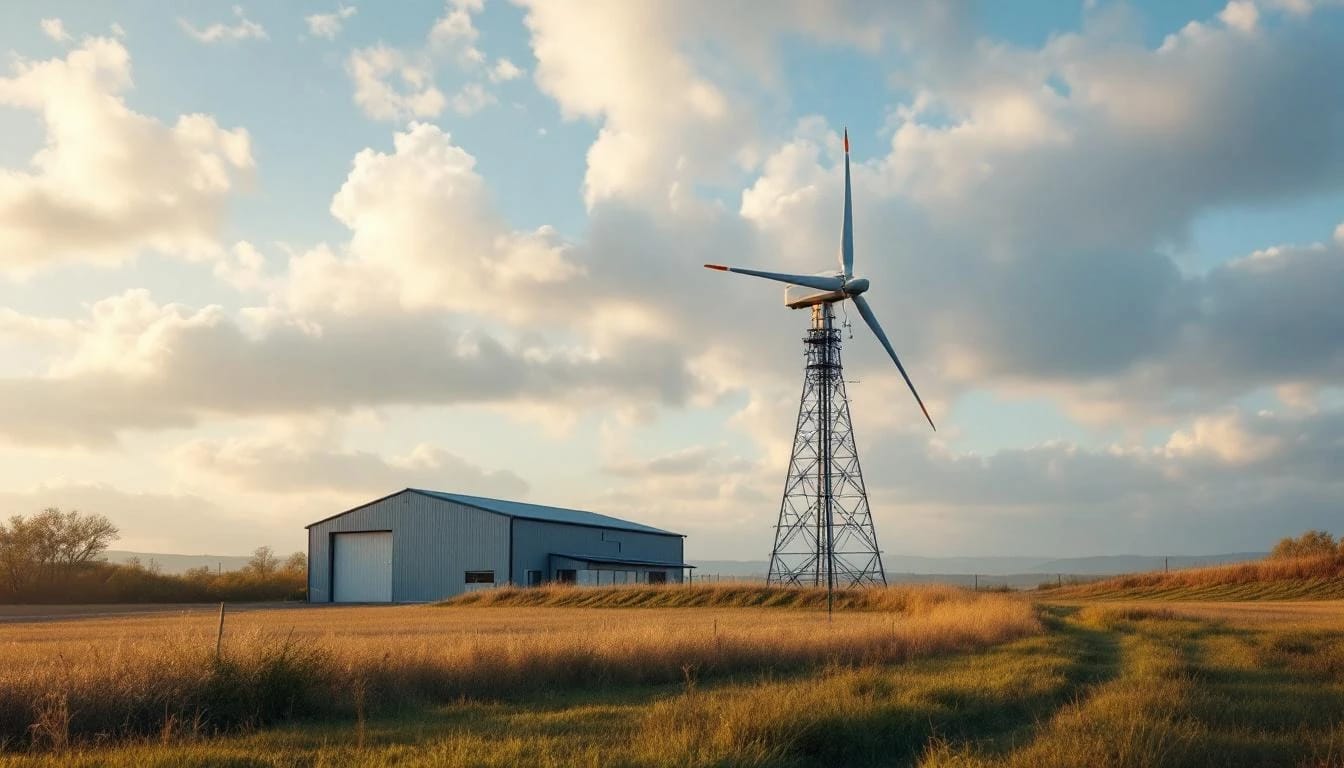
What a 5 kW Turbine Produces in Different Wind Classes
A 5 kW small wind turbine generates 6,000-15,000 kWh/year depending on wind class. Class 3 sites (13-15 mph average) deliver 9,000-11,000 kWh annually—enough for most homes.

small wind turbines
Best Small Wind Turbines 1kW-10kW for Homes (2026 Guide)
Compare the top small wind turbines from 1kW to 10kW for residential properties. Real-world output, installed costs, and manufacturer specs—updated 2025.
residential wind power
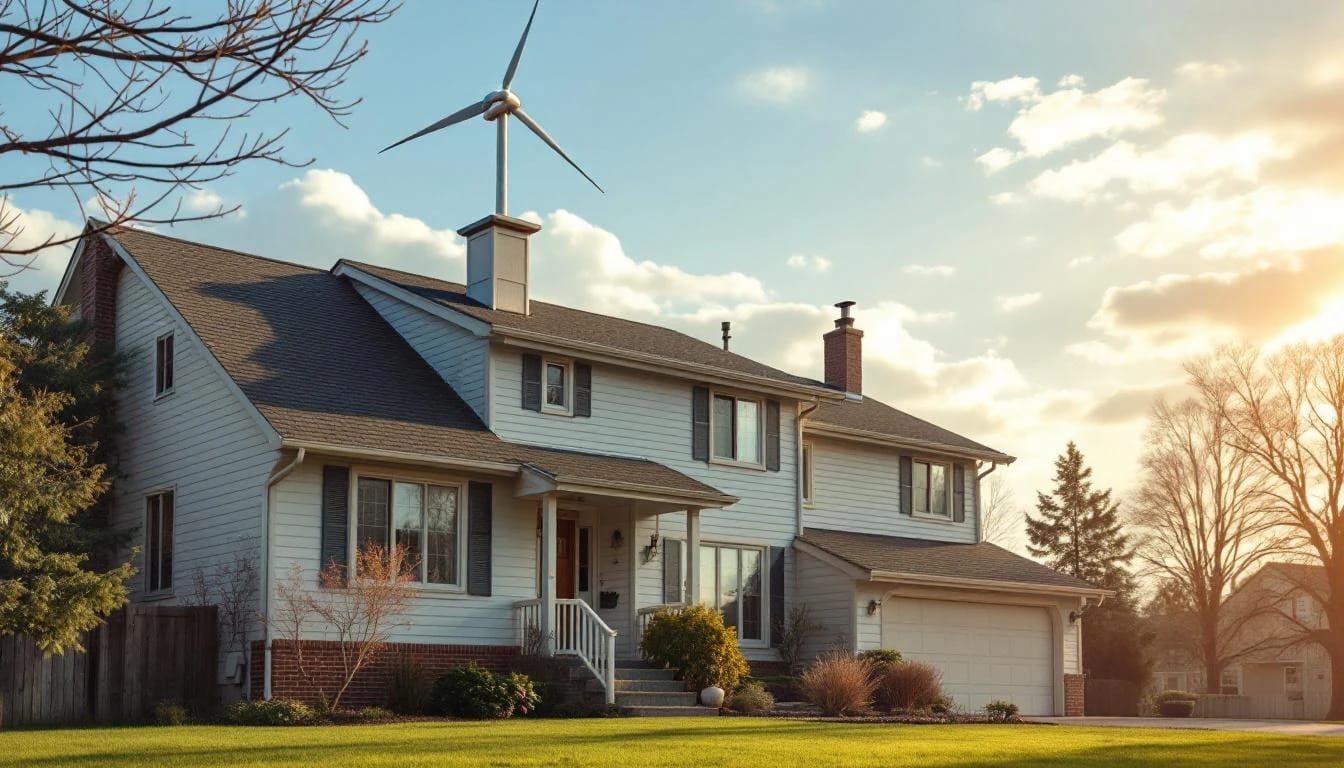
First-Year Mistakes New Home Wind Turbine Owners Regret Most
New home wind turbine owners make costly first-year errors—from poor site assessment to skipping permits. Learn the eleven most common mistakes and how to avoid them.
residential wind power
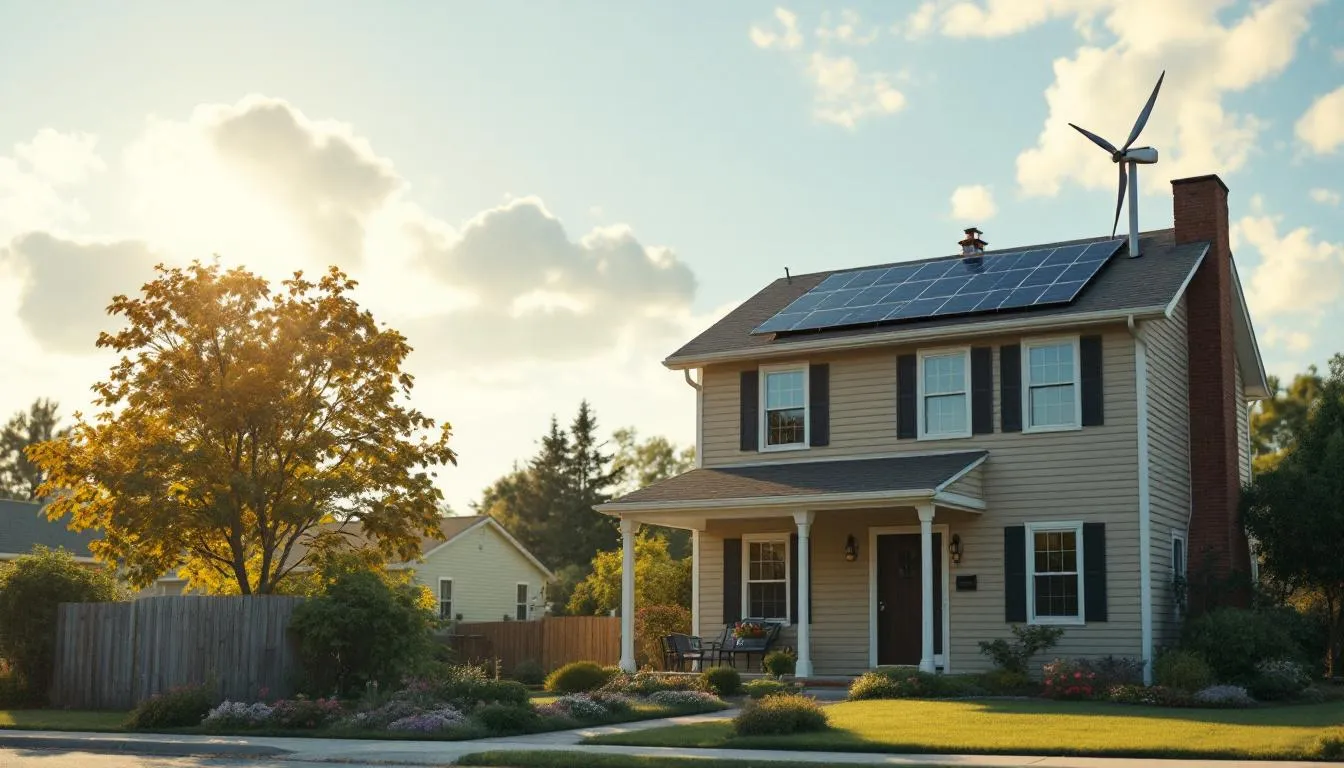
Grid-Tied vs Battery-Backed Wind Turbine Systems for Homes
Grid-tied systems feed excess wind power directly to the utility for credits, while battery-backed configurations store energy for outages and off-grid use.

horizontal axis turbines
Cut-In Wind Speed: What It Is and Why It Matters for Home Turbines
Cut-in wind speed determines when your turbine starts generating power. Learn why this 6-9 mph threshold affects your energy production and ROI more than rated power.
residential wind power
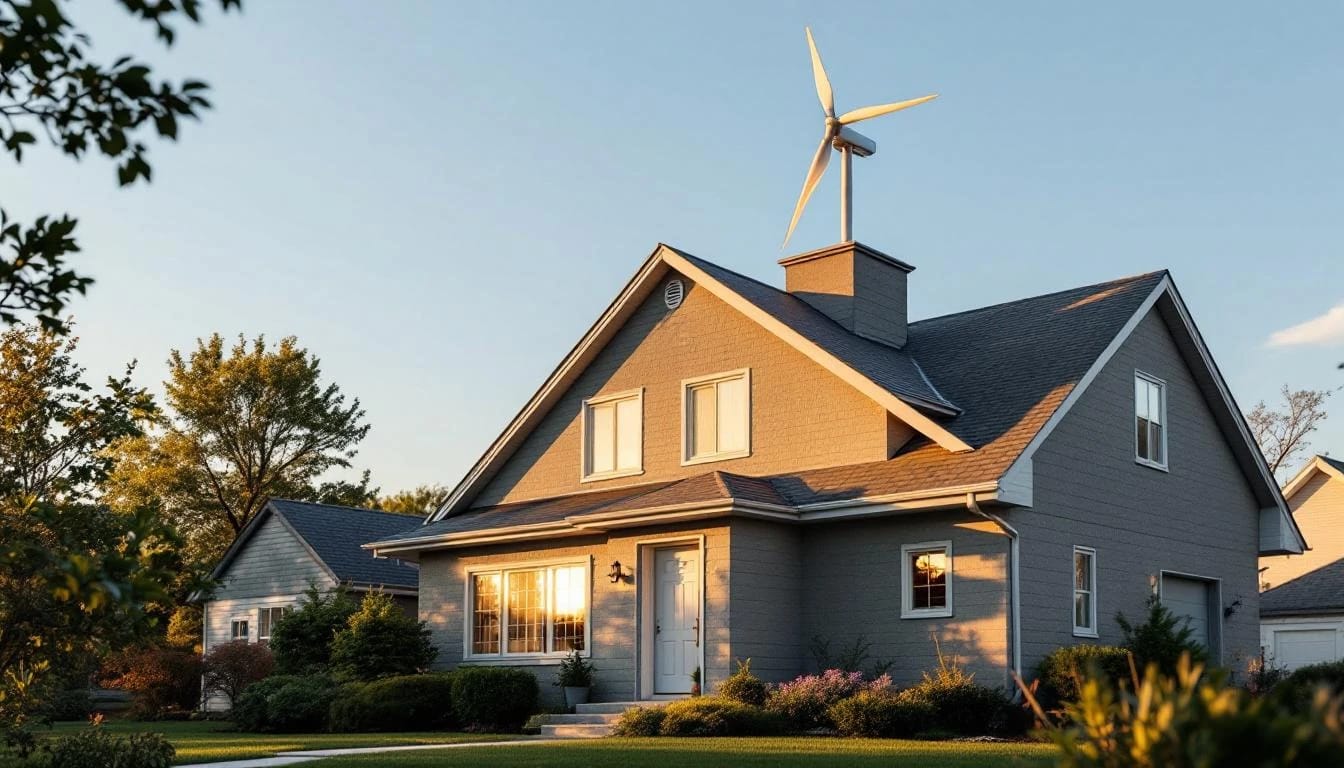
How to Right-Size a Wind Turbine for Your House in 2026
Match your home wind turbine to your actual energy use and site conditions. Learn the sizing formula, power curves, and common mistakes to avoid before you buy.

horizontal axis turbines
Downwind vs Upwind Turbines: How Yawing Affects Performance
Upwind turbines capture cleaner airflow but need active yaw control. Downwind designs self-align but suffer tower shadow losses. Learn how configuration affects your small wind system's output.
vertical axis turbines
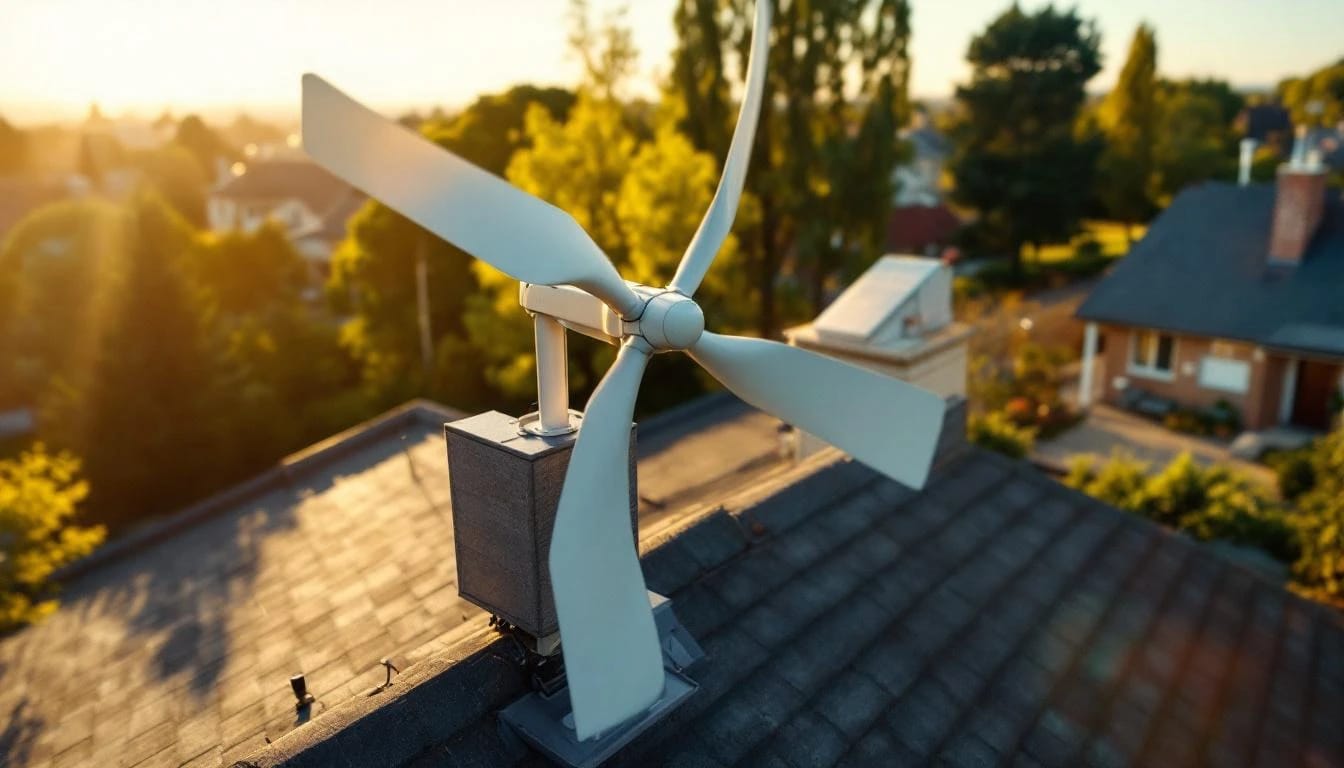
How Vertical-Axis Turbines Actually Perform in Low Wind
Vertical-axis wind turbines start generating power at lower wind speeds than horizontal models but deliver 15-40% less annual energy in typical residential sites.

horizontal axis turbines
How Tall Should Your HAWT Tower Be? The 30-Foot Rule Explained
Tower height determines wind turbine output. The 30-foot rule—placing your turbine 30 feet above obstacles within 500 feet—maximizes energy capture and ROI.

horizontal axis turbines
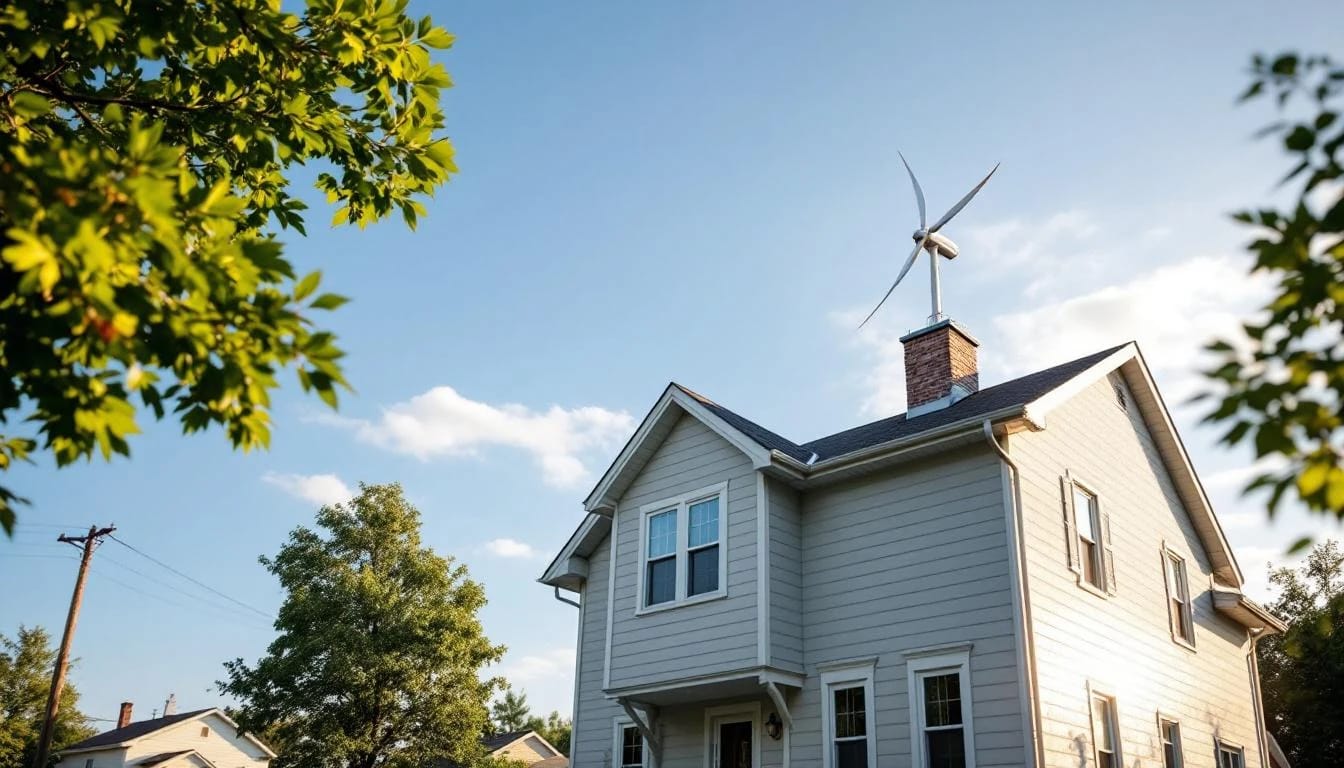
Three-Blade vs Two-Blade Wind Turbine Rotors: Performance Guide
Three-blade rotors deliver smoother operation and better performance for residential wind turbines, while two-blade designs offer lower costs and simpler maintenance.
residential wind power
Best Wind Turbines for Australian Homes: STCs & 2026 Picks
Small wind turbines can earn STCs under the SRES, but few models sold in Australia meet AS 4509.1. Compare Bergey, Primus and proven vertical-axis picks.

vertical axis turbines
Vertical-Axis Wind Turbines: Honest Pros and Cons for Homes
Vertical-axis wind turbines look sleek but face real performance trade-offs. We examine VAWT efficiency, noise, durability, and cost versus horizontal designs.

small wind turbines
Permanent Magnet vs Induction Wind Generator: Which to Spec
Permanent magnet generators dominate residential wind turbines because they self-excite at low RPM and need no grid connection, while induction generators require grid tie and higher wind speeds.
wind vs solar
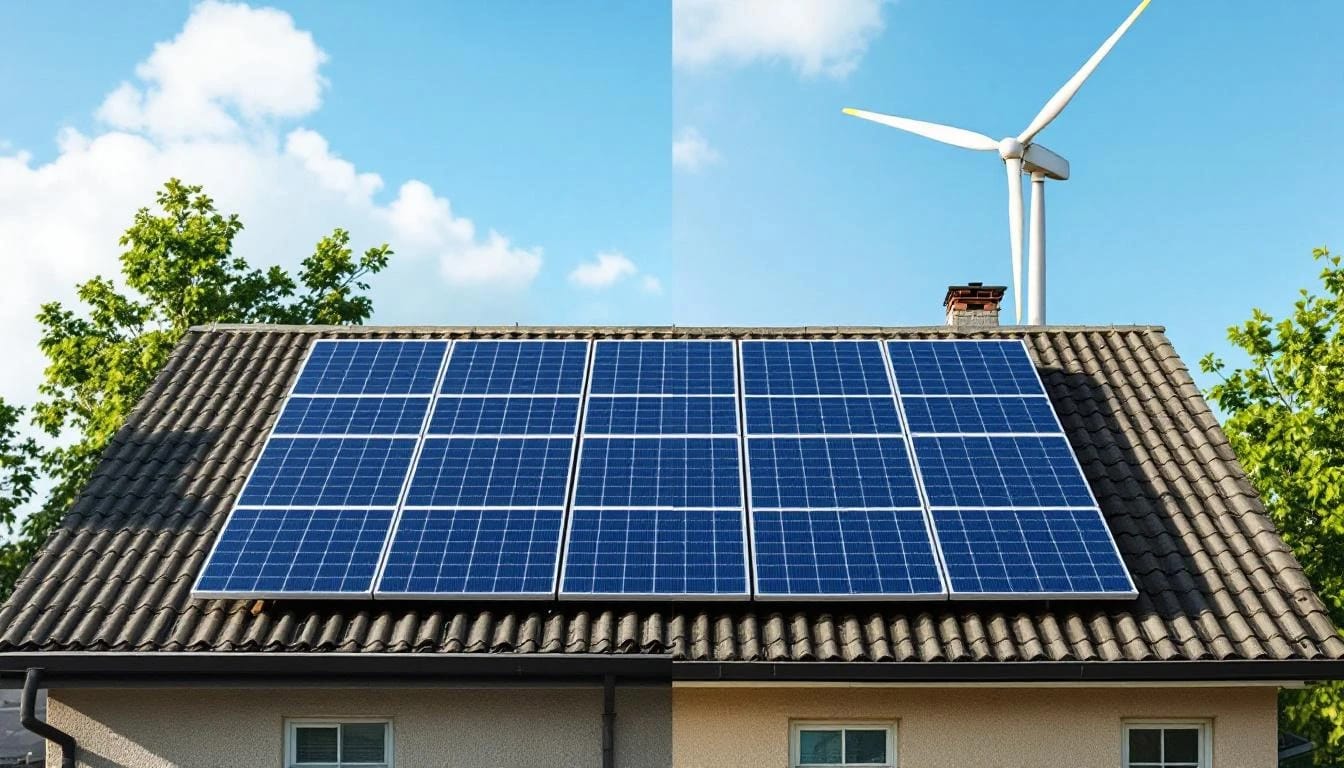
Home Wind Turbine vs Propane Generator: Lifetime Cost Compared
A 5kW home wind turbine costs $25,000–$40,000 installed but pays back in 8–15 years. A propane standby generator costs $6,000–$12,000 but burns $1,500–$3,000 in fuel yearly.
wind vs solar
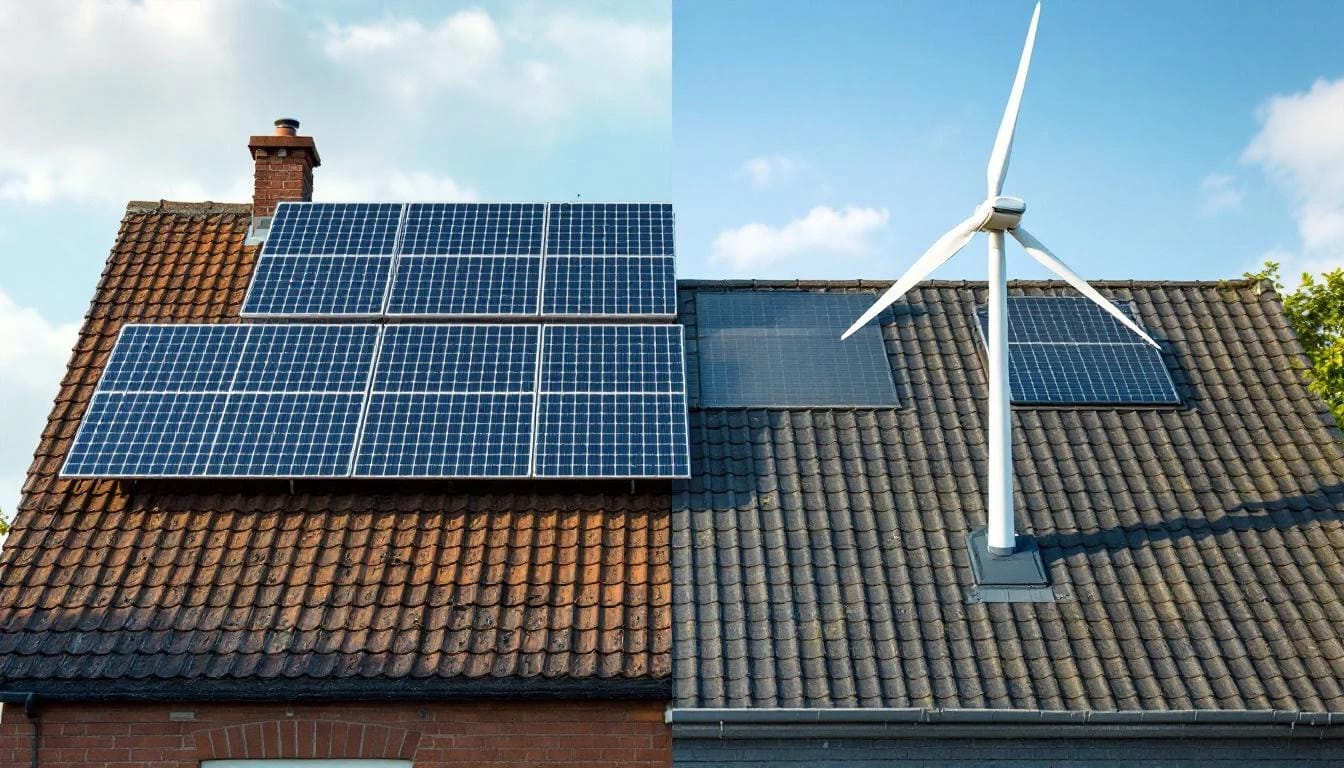
Wind Turbine vs Solar for an RV: Which Actually Wins on the Road
Solar panels dominate stationary RV camping with 400W systems under $800, but wind turbines shine during stormy weather and overnight charging in windy sites.
wind vs solar
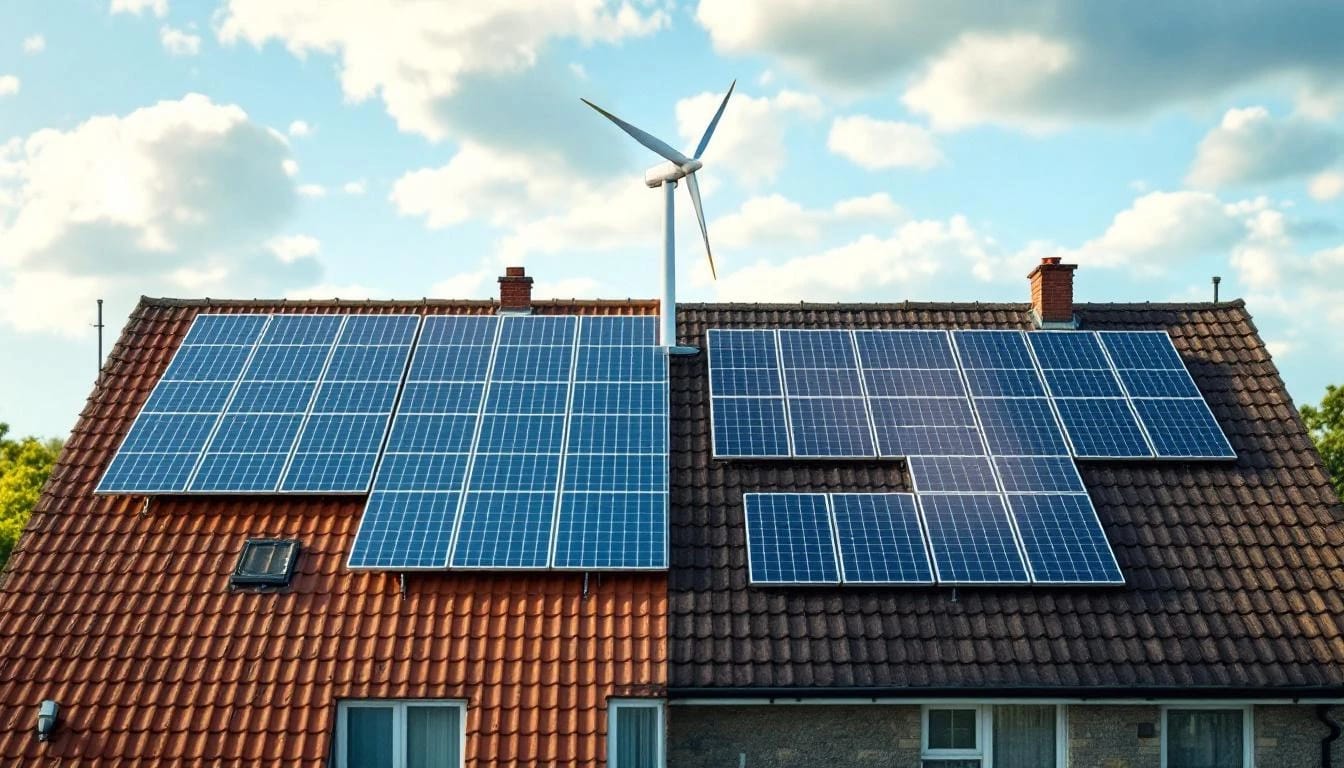
Wind Turbine vs Generator for Backup Power: Cost & Runtime
Wind turbines deliver unlimited runtime but need wind and large upfront costs. Generators offer instant power for $500-4,000 but require fuel. Compare costs, reliability, and when each works best.
wind vs solar
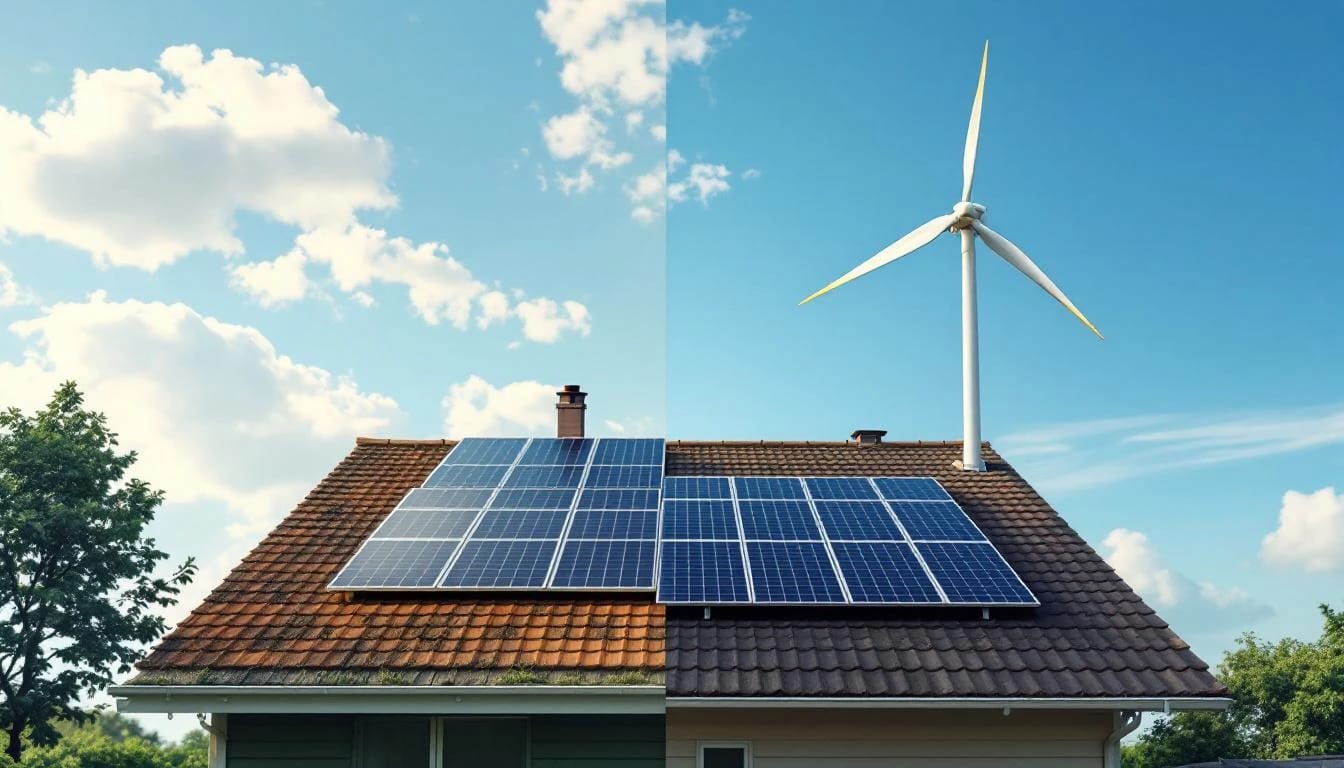
Wind Turbine vs Solar for an Off-Grid Cabin: Which Powers Best?
Wind turbines excel in winter and forested sites, while solar panels dominate summer and desert cabins. Most off-grid setups combine both for year-round power.
small wind turbines
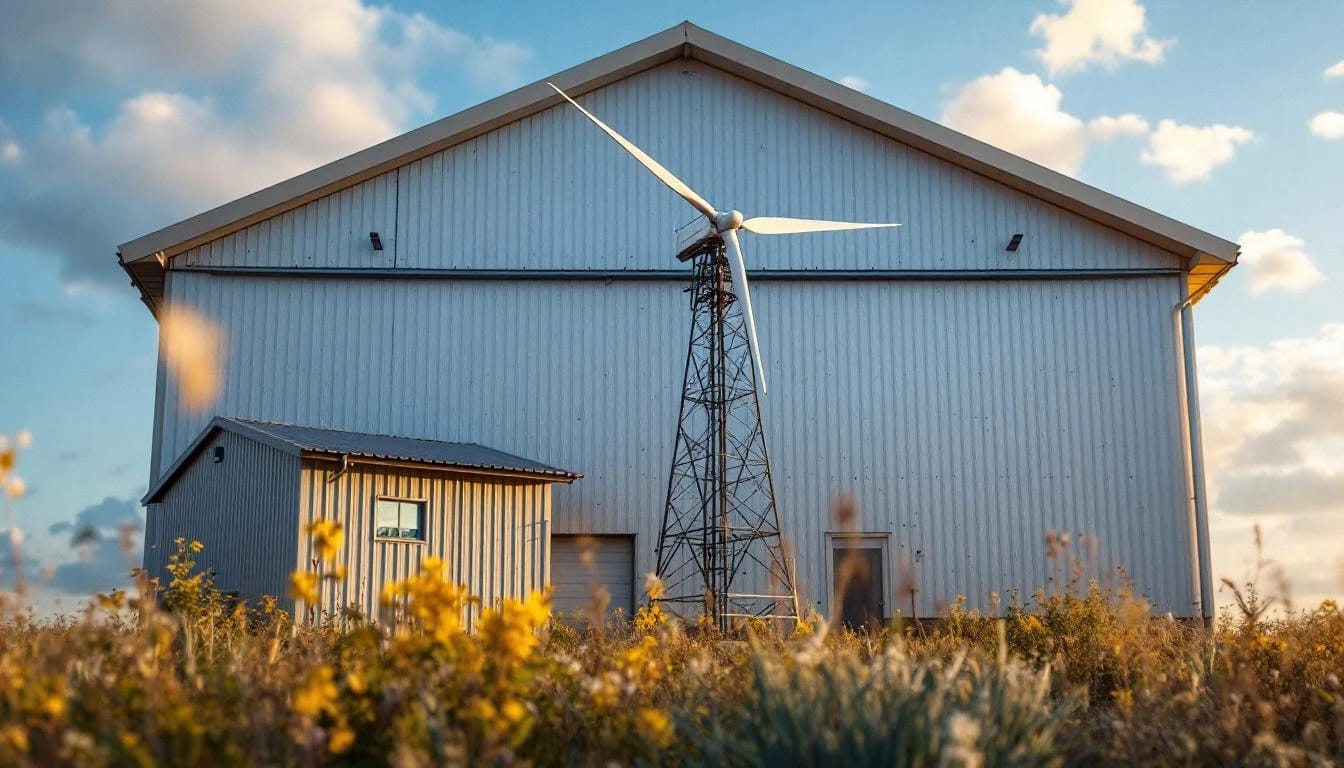
Best 3 kW Home Wind Turbines 2026: Cost and ROI Compared
Real prices, installation costs and payback for the Bergey Excel 1, Primus Air 40 and Aeolos-H 3kW, so US homeowners see which 3 kW turbine is worth it.

vertical axis turbines
Budget Vertical-Axis Wind Turbines: Entry-Level VAWT Tradeoffs
Budget vertical-axis wind turbines ($200–$1,200) sacrifice efficiency and durability for lower upfront cost. Expect 15–25% capacity factors and frequent maintenance.