Wind resource assessment
Before buying anything, assess your wind resource — it is the single biggest predictor of whether home wind will work. Because power scales with the cube of wind speed, a site averaging 12 mph produces far more than one at 9 mph.
Assessment combines public data (NREL's WindExchange maps, airport records) with on-site measurement using an anemometer at or near hub height, ideally for several months. The output is your average wind speed, its distribution (Weibull k and c), and your wind class — the numbers that size every other part of the system.
Guides & reviews
wind resource assessment
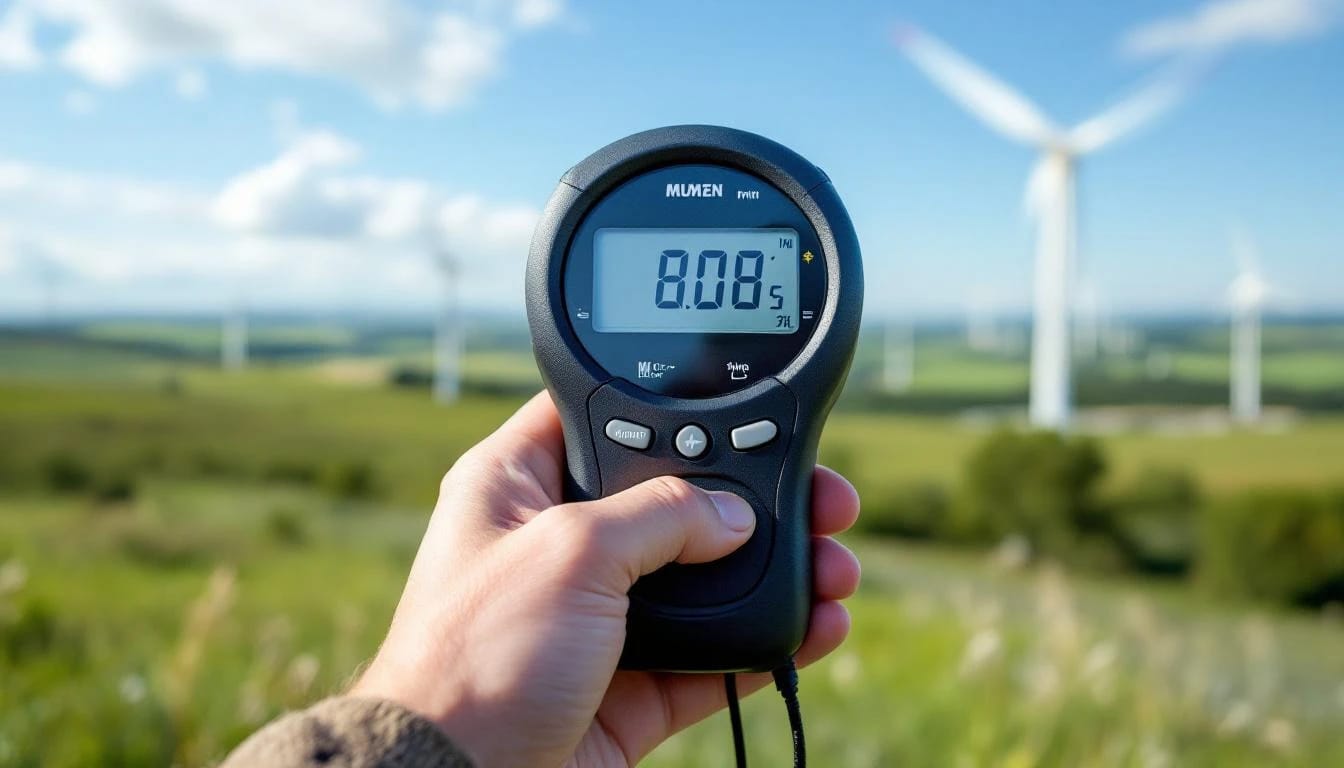
Weibull Distribution for Wind Energy: What k and c Actually Mean
Learn how Weibull k (shape) and c (scale) parameters define your site's wind profile and predict small turbine output. Real examples from 5-10 kW installations included.
wind resource assessment
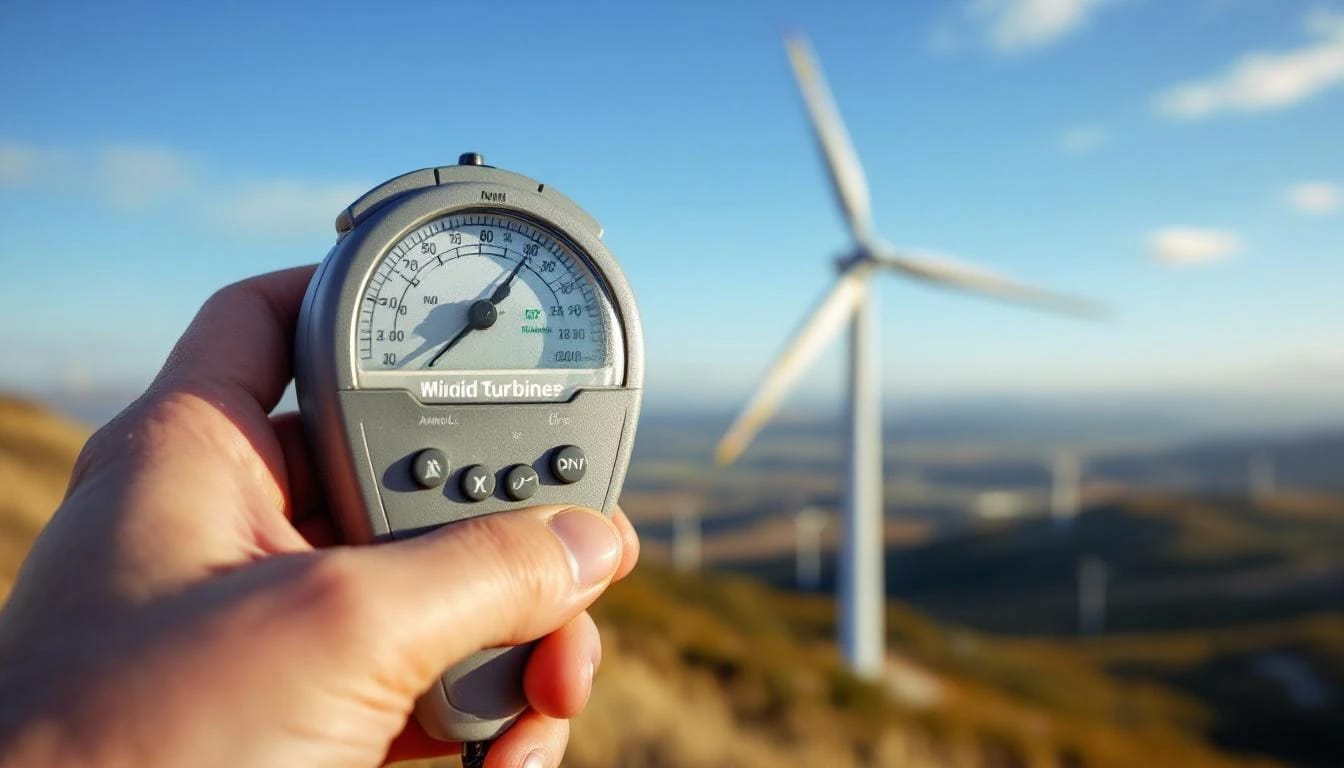
Wind Shear Formula for Hub Height: Extrapolating Ground Data
Learn the power law wind shear formula to extrapolate 10m ground measurements to your turbine hub height. Includes coefficients, worked examples, and error ranges.
wind resource assessment
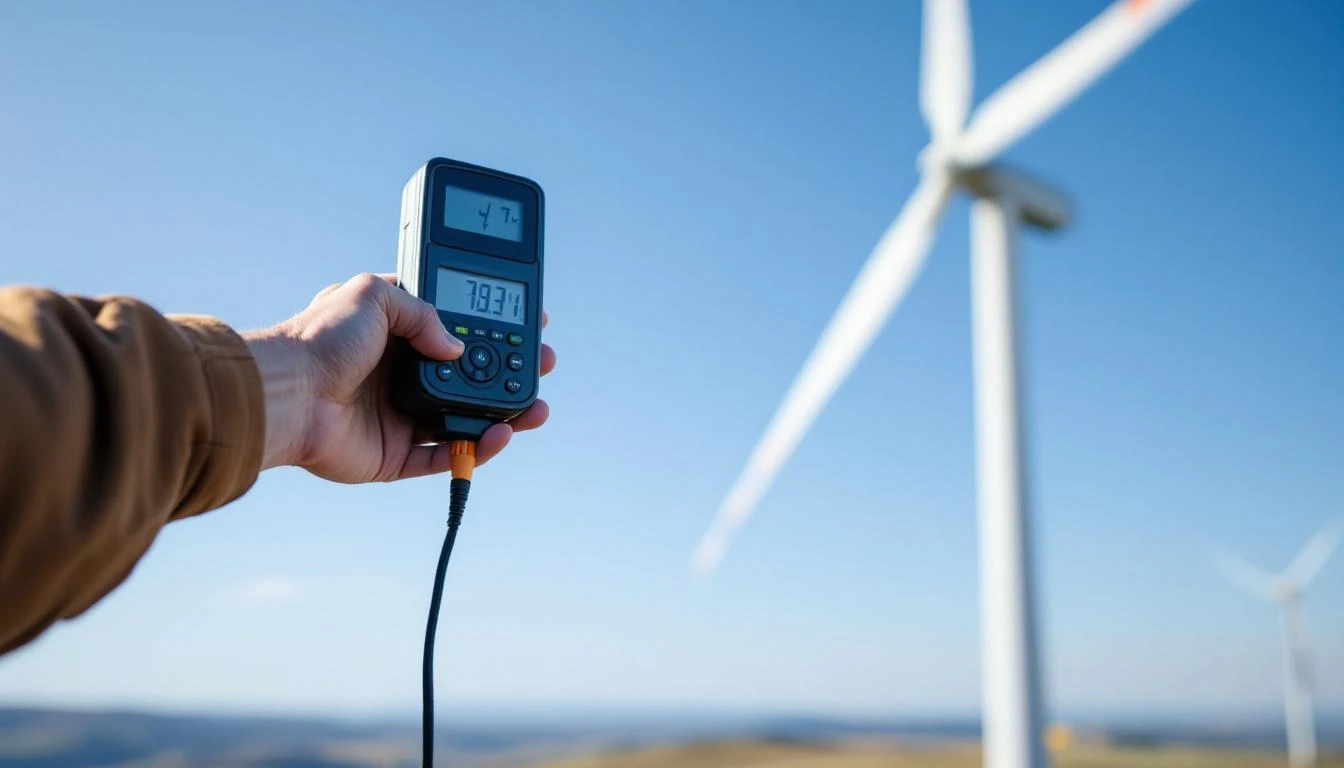
Wind Turbine Swept Area: Calculate Rotor Size & Power Output
Swept area determines how much wind energy a turbine can capture. Learn the formula, why rotor diameter matters more than blade count, and how to size a system.
wind resource assessment
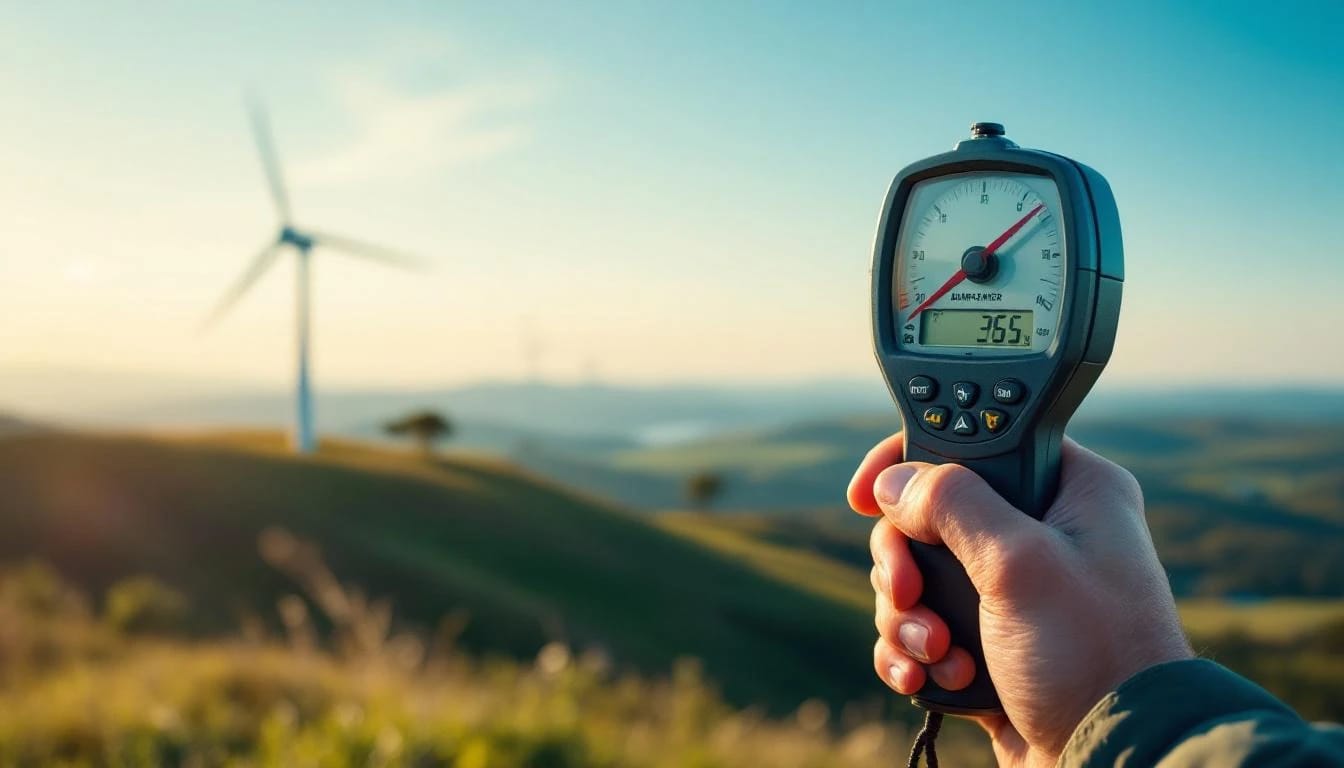
How To Read the DOE WindExchange Map for Your Address (2026)
The DOE WindExchange map shows wind speed at your home—but only if you decode hub height, filter layers, and match your turbine class. Here's the exact process.
wind resource assessment
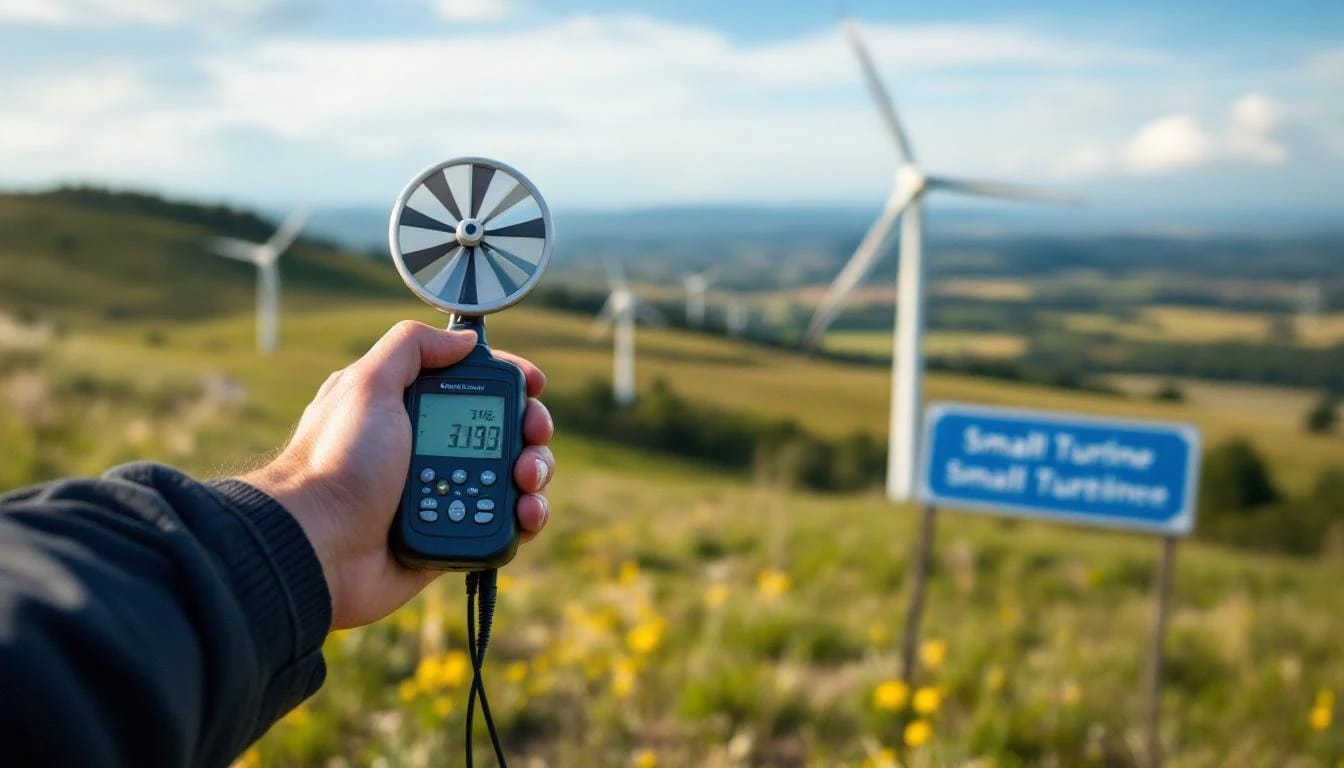
How to Measure Wind Speed at Your Property Before You Buy
Learn proven methods to assess wind resources on your property using anemometers, data loggers, and free tools—so you know if a turbine investment makes sense.

wind resource assessment
Do Wind Turbines Work in Low Wind Areas? Performance Analysis
Small wind turbines need minimum 9-10 mph average wind to generate meaningful power. Low-wind sites under 8 mph often produce 30-40% of rated output, making payback periods exceed 25 years.
wind resource assessment
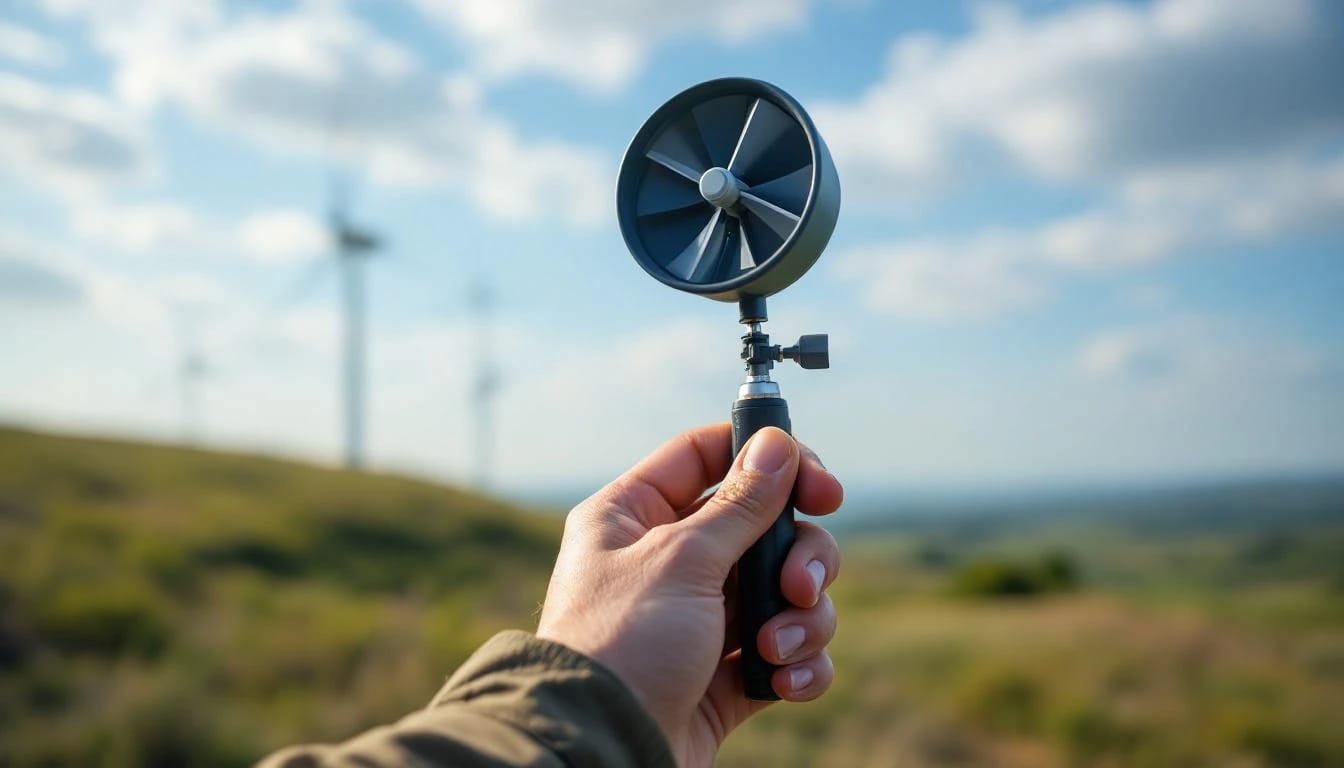
How Much Wind Do You Need for a Home Wind Turbine?
Home wind turbines need average wind speeds of 10+ mph (Class 2) to generate meaningful power. Most residential sites require 9-12 mph sustained winds to justify investment.
Frequently asked questions
- How much wind do I need for a home turbine?
- As a rule of thumb you want an annual average of at least about 9–10 mph at hub height for grid-tied home wind to make sense; 12+ mph is genuinely good. Below that, energy output and payback fall off sharply because power scales with the cube of wind speed.
- How do I measure wind speed at my site?
- Mount an anemometer as close to your planned hub height as practical and log data, ideally for 6–12 months to capture seasonal variation. Combine that with NREL WindExchange maps and nearby airport records to estimate your long-term average and wind class.
- What is the Weibull distribution and why does it matter?
- The Weibull distribution (parameters k and c) describes how often each wind speed occurs at your site. It matters because two sites with the same average speed can yield different energy if one has more strong-wind hours — the distribution, applied to the turbine's power curve, gives the real annual energy estimate.