Small wind turbines (1-10 kW)
Small wind turbines in the 1–10 kW class are the workhorses of home and small-farm renewable power. They are large enough to make a real dent in a household's electricity yet small enough to install on a private tower under most zoning rules.
Sizing is about matching the turbine's swept area and power curve to your average wind and your energy needs, then putting it on a tower tall enough to reach clean wind. Certification (IEC 61400-2 / SWCC) separates honest machines from over-rated imports.
Guides & reviews
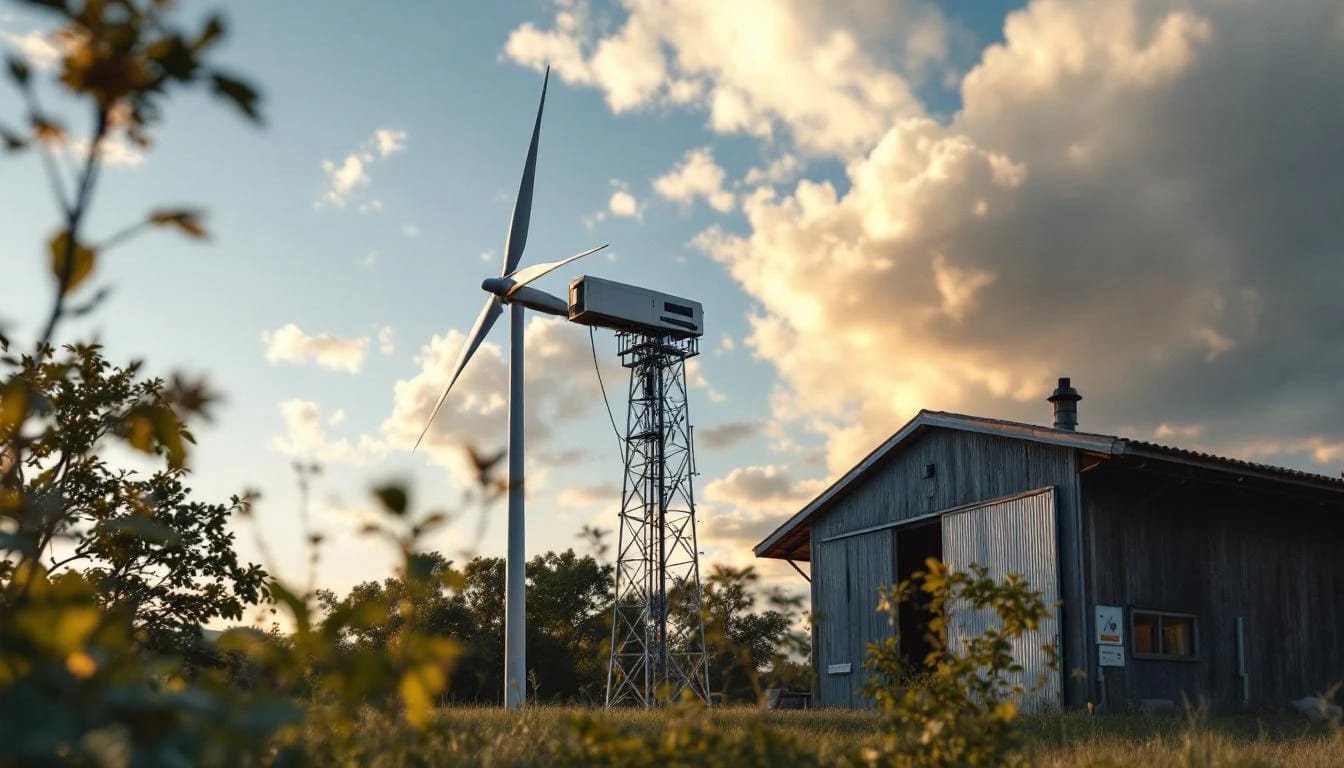
small wind turbines
Furling vs Pitch Control on Small Wind Turbines: Rotor Protection Explained
Small wind turbines use furling or pitch control to protect rotors in high winds. Furling turns the turbine sideways; pitch feathers the blades. Compare costs, reliability, and best applications.
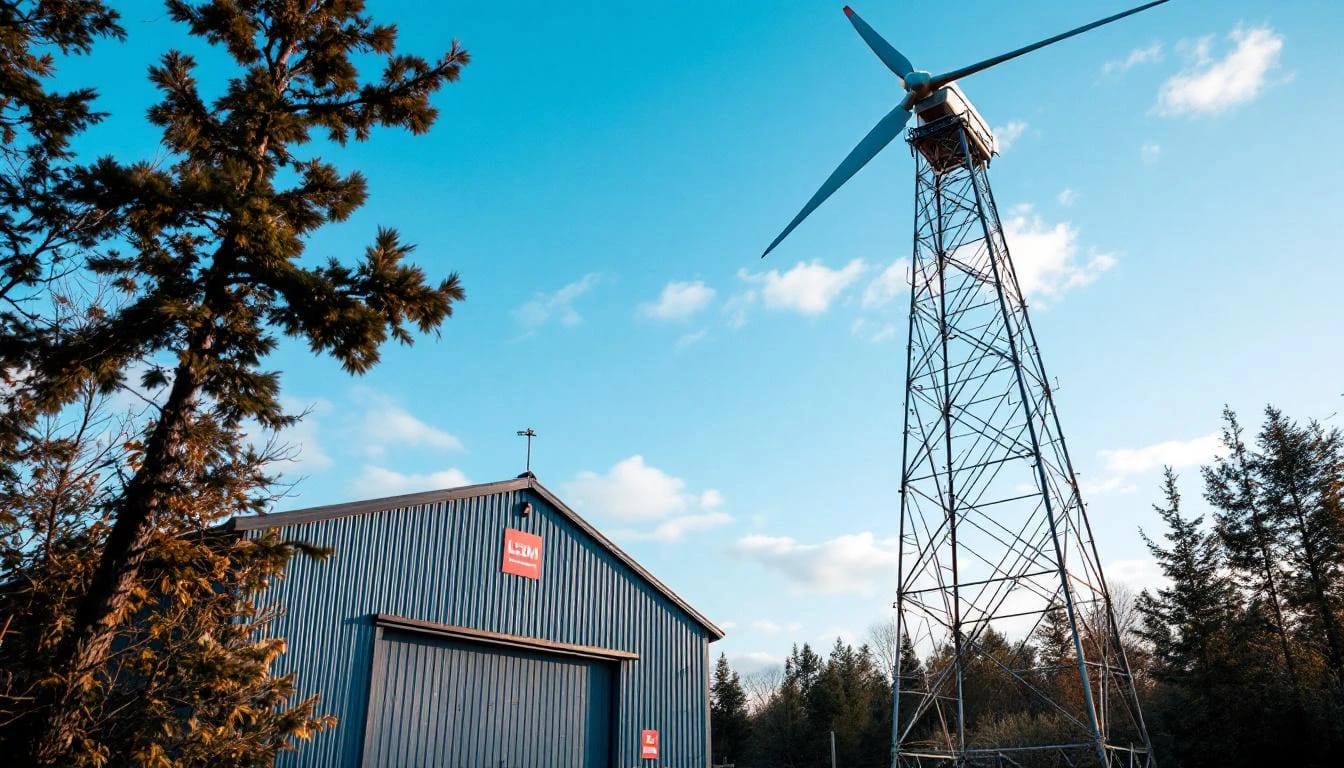
small wind turbines
Capacity Factor for Small Wind Turbines: Realistic Numbers by Site
Most residential wind turbines deliver 10–25% capacity factor in average sites, 25–35% in excellent wind. Learn what those numbers mean for your energy bills.
small wind turbines
Tip Speed Ratio for Residential Turbines: What to Spec
Tip speed ratio determines how efficiently your small wind turbine extracts energy. Learn optimal TSR ranges for HAWT vs VAWT, why it matters for residential installs, and how to match turbine specs to your site conditions.
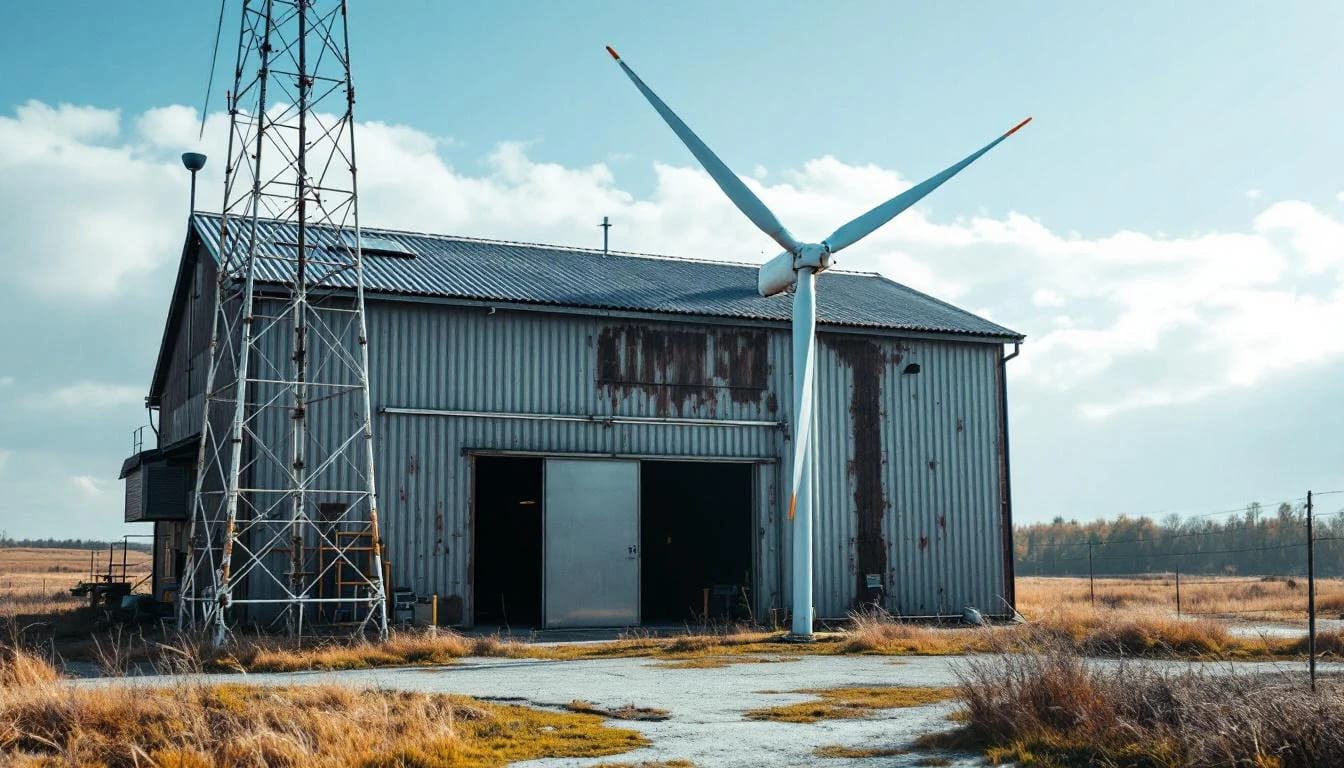
small wind turbines
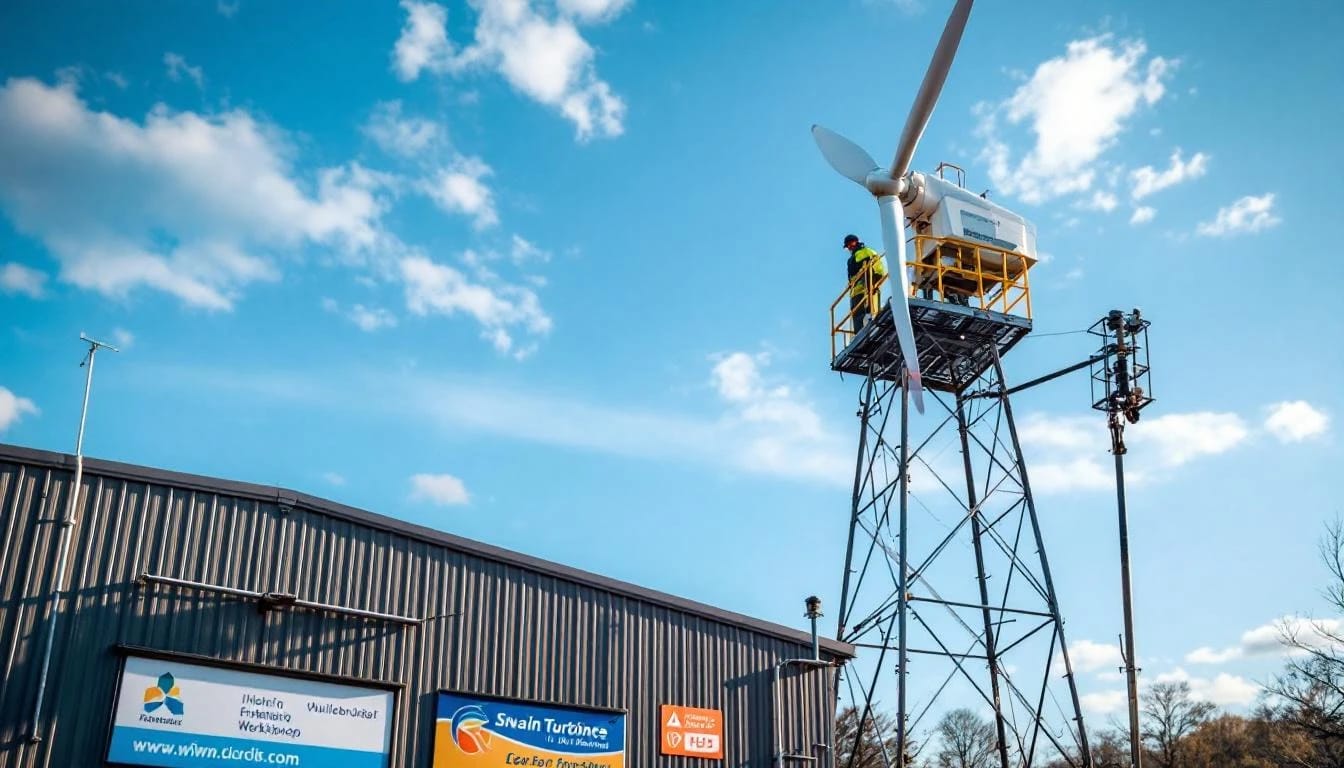
Betz Limit Explained: Why No Turbine Extracts More Than 59.3%
The Betz limit proves no wind turbine can convert more than 59.3% of wind's kinetic energy into electricity—a fundamental physics constraint that shapes every rooftop and backyard turbine design.
small wind turbines
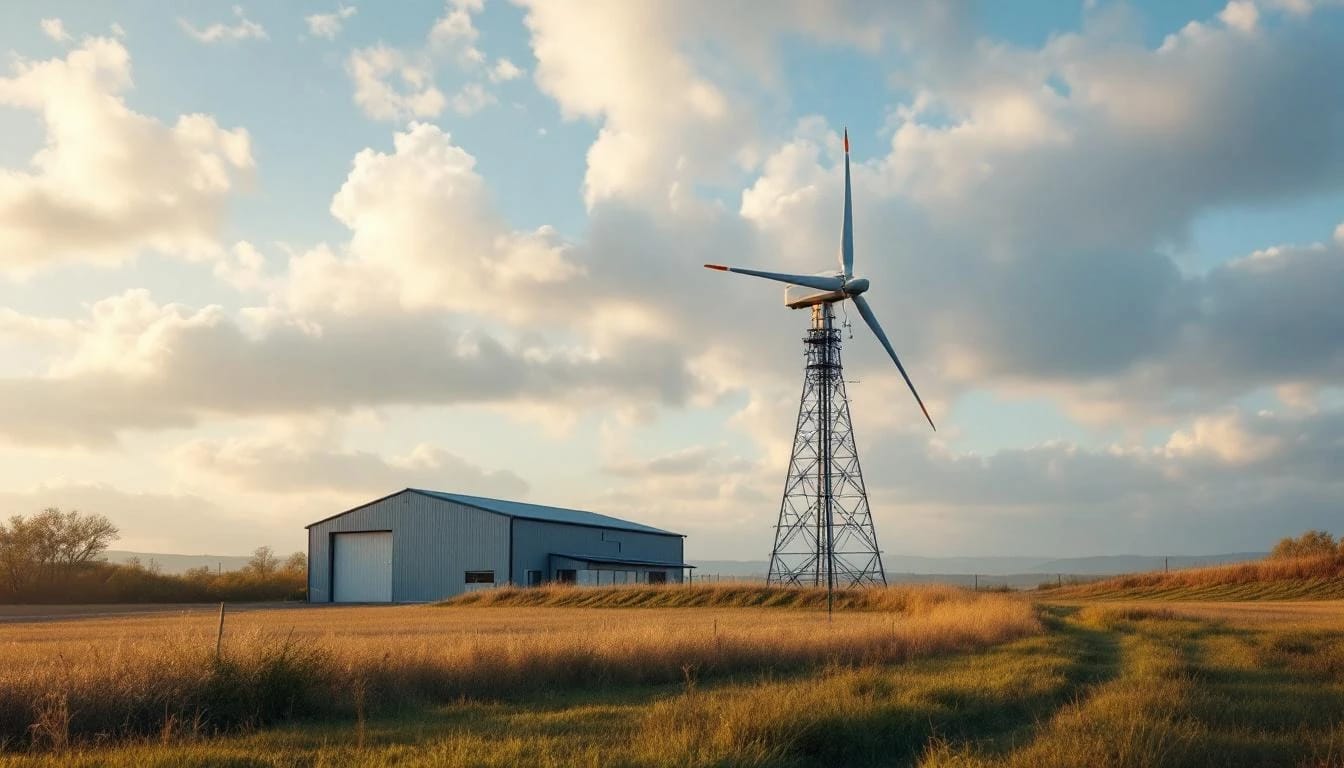
IEC 61400-2 Standard Explained: Small Wind Turbine Safety Guide
IEC 61400-2 sets the global safety and performance rules for wind turbines under 200 kW. This guide explains certification requirements, structural tests, and what compliance means for U.S. homeowners.
small wind turbines
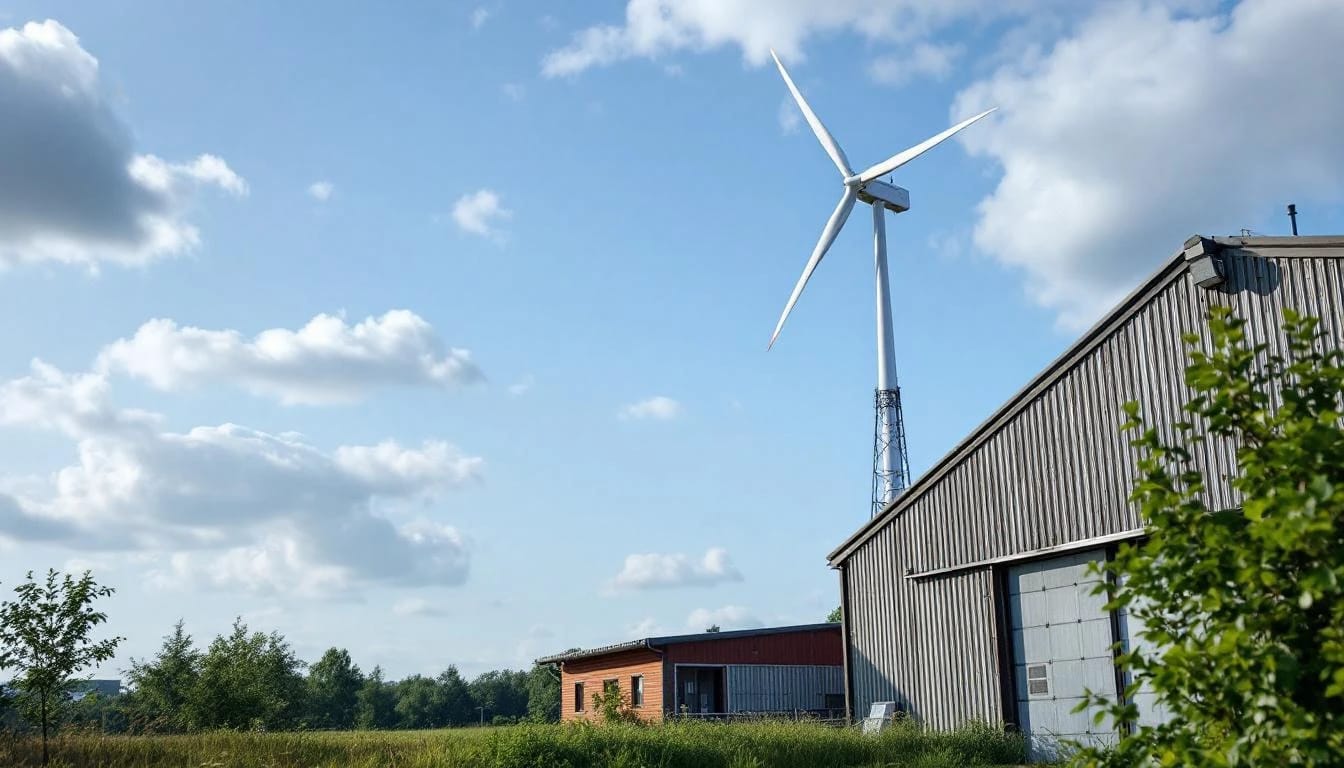
What a 5 kW Turbine Produces in Different Wind Classes
A 5 kW small wind turbine generates 6,000-15,000 kWh/year depending on wind class. Class 3 sites (13-15 mph average) deliver 9,000-11,000 kWh annually—enough for most homes.
small wind turbines
Best Small Wind Turbines 1kW-10kW for Homes (2026 Guide)
Compare the top small wind turbines from 1kW to 10kW for residential properties. Real-world output, installed costs, and manufacturer specs—updated 2025.

small wind turbines
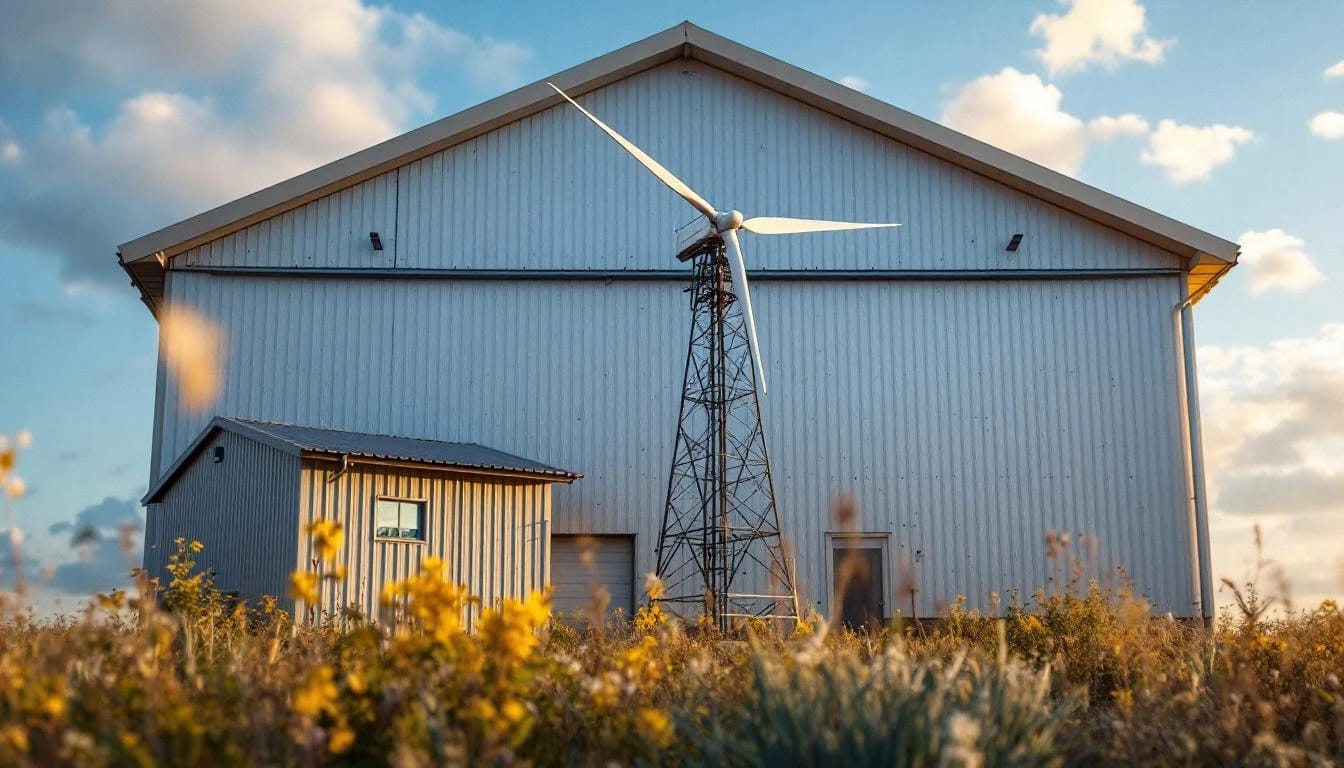
Permanent Magnet vs Induction Wind Generator: Which to Spec
Permanent magnet generators dominate residential wind turbines because they self-excite at low RPM and need no grid connection, while induction generators require grid tie and higher wind speeds.
small wind turbines
Best 3 kW Home Wind Turbines 2026: Cost and ROI Compared
Real prices, installation costs and payback for the Bergey Excel 1, Primus Air 40 and Aeolos-H 3kW, so US homeowners see which 3 kW turbine is worth it.
small wind turbines
5 kW Home Wind Turbine Systems: Brands, Output & Costs 2026
Five-kilowatt residential wind turbines cost $15,000–$40,000 installed. Compare Bergey Excel, Primus Air, and certified brands for output, tower height, and grid-tie options.
Frequently asked questions
- What size turbine do I need for a house?
- Most whole-home systems land between 5 and 10 kW, but the right size depends on your annual kWh use and your wind resource. Start from your utility bill (kWh/year) and your measured average wind speed, then choose a turbine whose power curve meets that demand at your real wind, not its nameplate.
- What's the difference between rated power and swept area?
- Rated power is a single point on the power curve at one wind speed; swept area (the circle the blades trace) is the better predictor of energy because it sets how much wind the rotor can capture. Two turbines with the same rating but different rotor sizes can produce very different annual energy.
- How long do small wind turbines last?
- A quality small turbine is generally designed for a 20-year service life, with periodic maintenance — bearing checks, blade inspection, and slip-ring or brush service. Cheap turbines often fail much sooner, usually at the bearings, blades, or in their first big storm.