Battery storage & inverters
For off-grid and battery-backed wind systems, the storage and power-electronics layer is as important as the turbine. Battery chemistry (lead-acid versus lithium), system voltage (12/24/48 V), the charge controller, and the inverter together decide reliability and usable energy.
Wind has a special requirement: the turbine must always have somewhere to send its power, so wind charge controllers include a dump/diversion load to brake the rotor when batteries are full. Get the controller and inverter sizing right and the system runs for years; get it wrong and you risk overspeed or dead batteries.
Guides & reviews
battery storage inverters
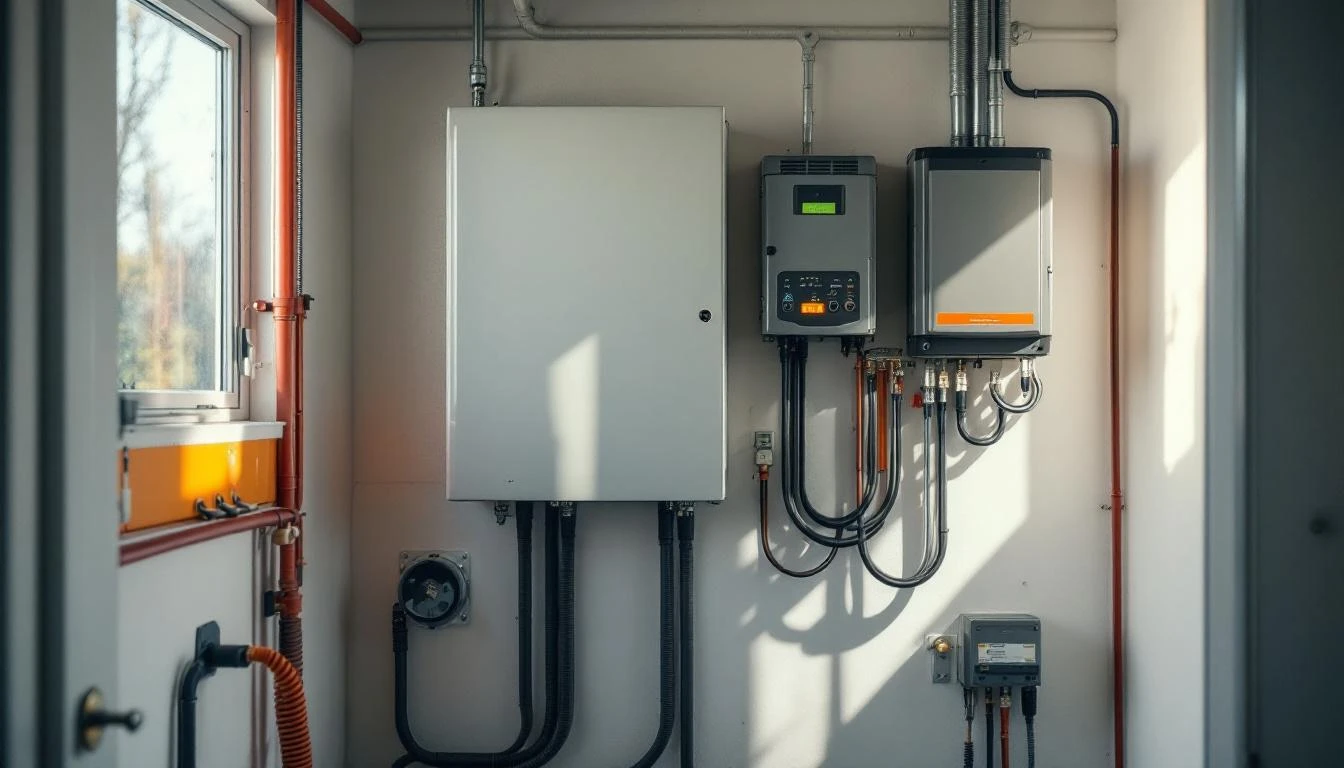
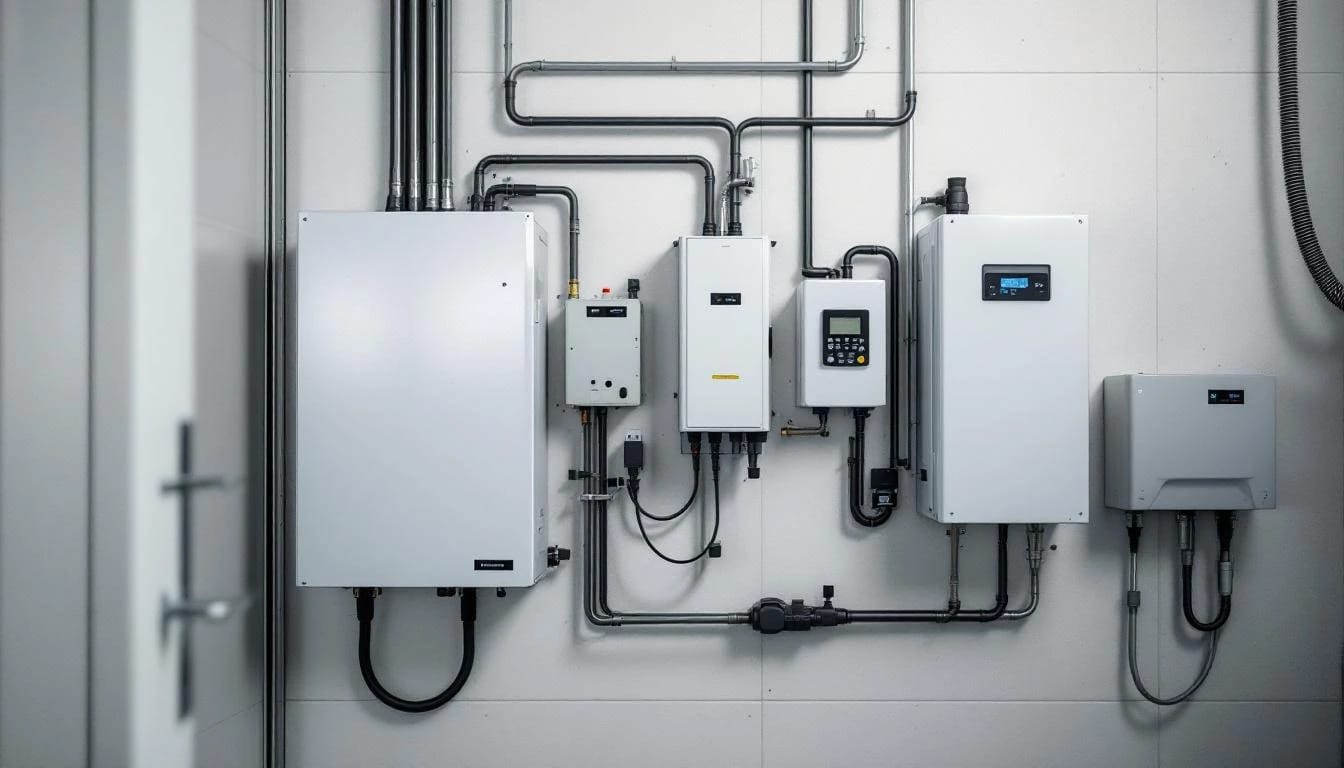
DIY Wind Turbine Charge Controller: When to Build vs Buy
Building a wind turbine charge controller saves $150-400 but risks battery damage and code violations. Compare DIY circuit boards against commercial MPPT units.
battery storage inverters
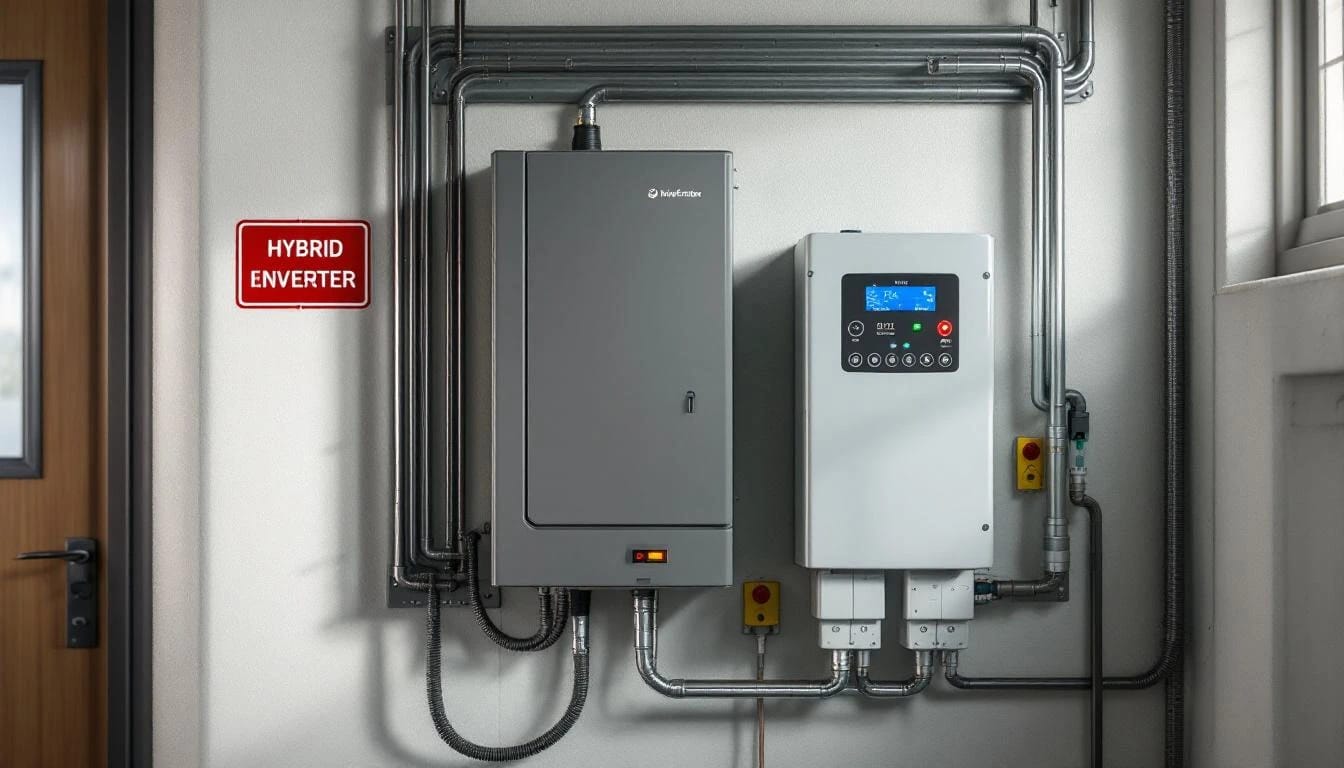
Hybrid Inverter Selection for Small Wind + Battery Systems
Choose the right hybrid inverter for your wind turbine battery setup—DC-coupled models work best for systems under 5 kW, while AC-coupled units offer easier solar retrofits.
battery storage inverters
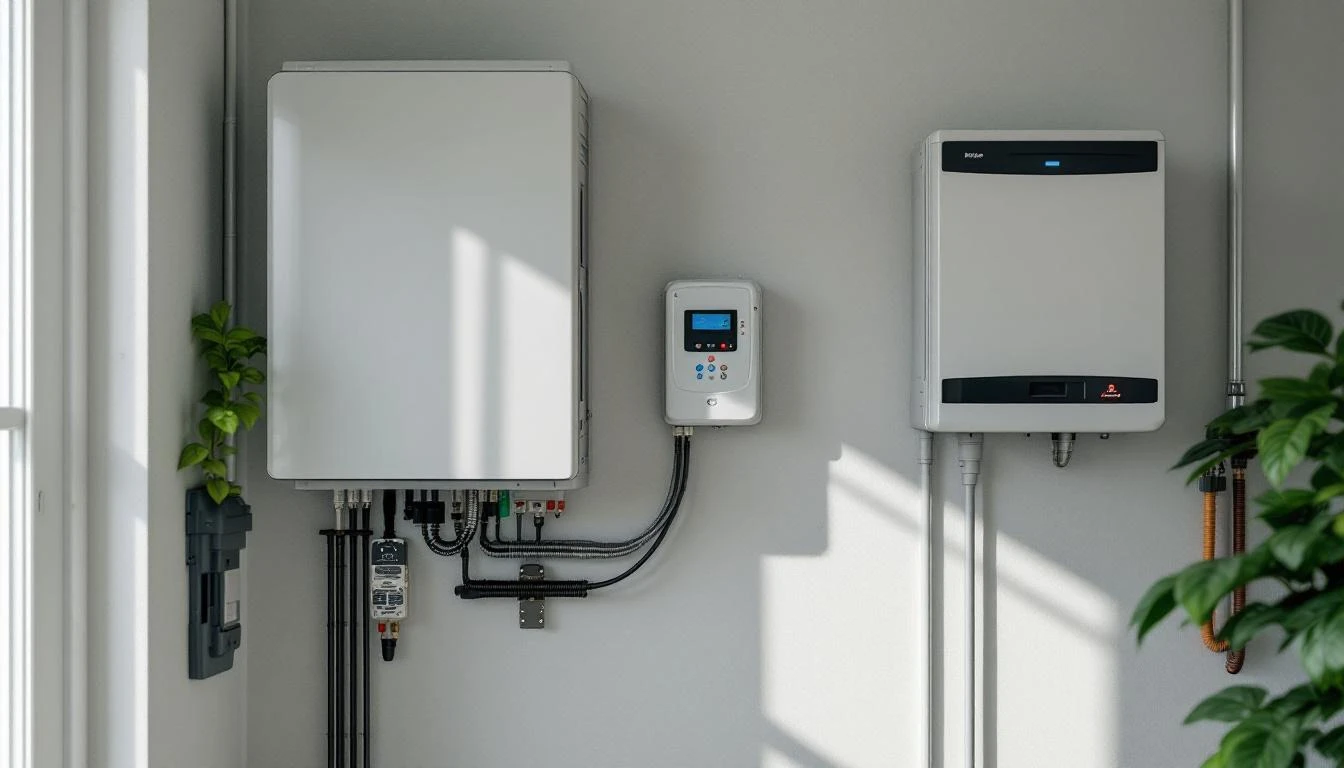
Best Batteries for Small Wind Systems in 2026 | Expert Guide
Lithium iron phosphate batteries dominate 2026 wind storage. Compare cycle life, depth-of-discharge, and cold-weather performance for systems 400W-10kW.
battery storage inverters
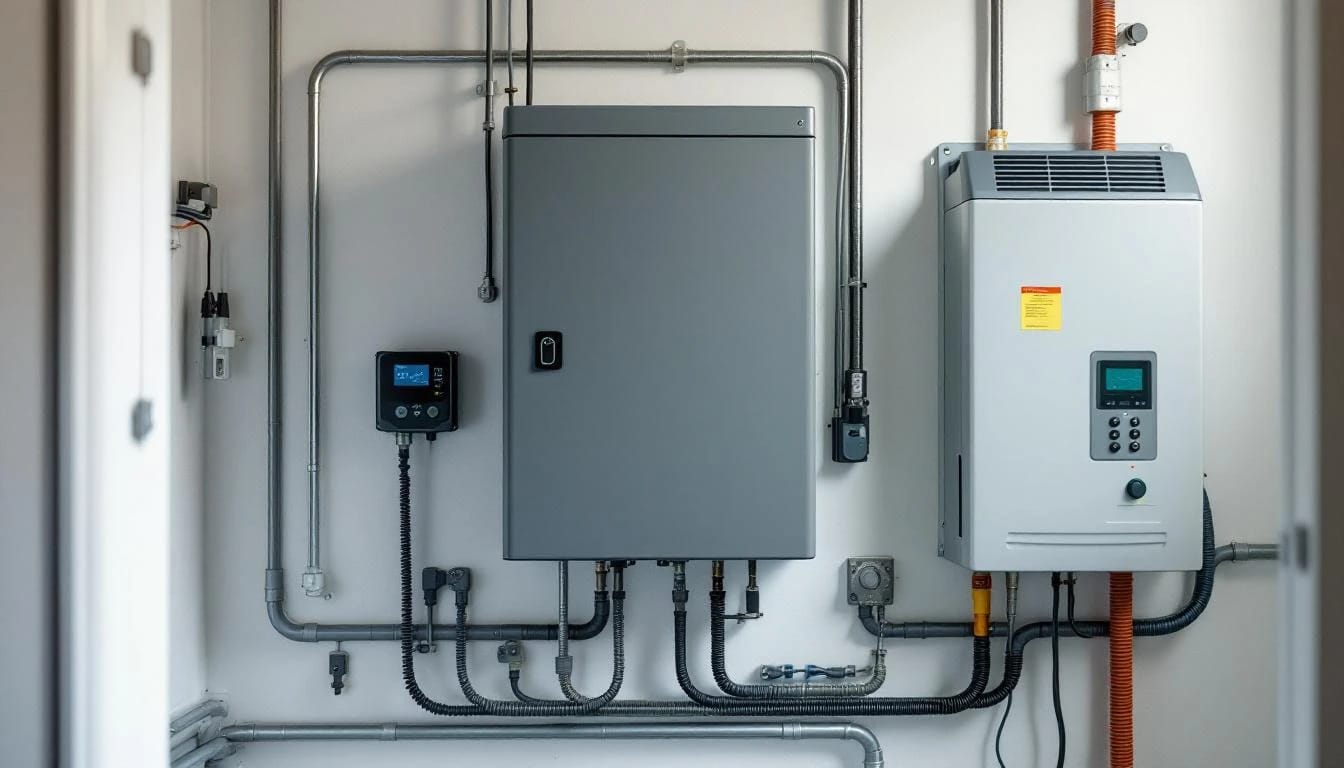
Lithium vs AGM Batteries for Wind Systems in Cold Weather
Cold weather cuts AGM capacity by 20-40% and lithium by 10-15%. Learn which chemistry survives winter turbine charging, how battery management systems respond, and what installers must change below 32°F.
battery storage inverters
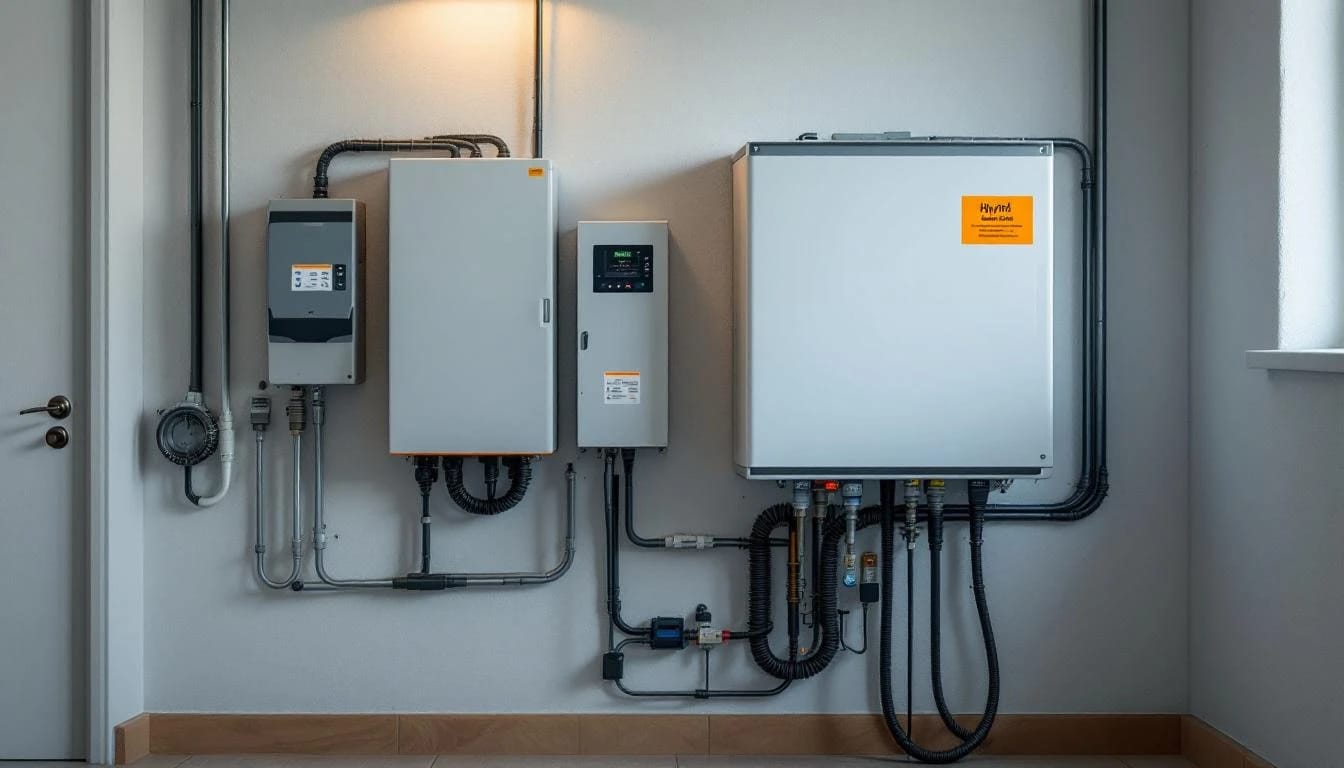
12V vs 24V vs 48V Wind Turbine Systems: Which Voltage Is Right?
Choosing between 12V, 24V, and 48V wind turbine systems depends on power needs, wire costs, and battery architecture. Most residential setups favor 24V or 48V.
battery storage inverters
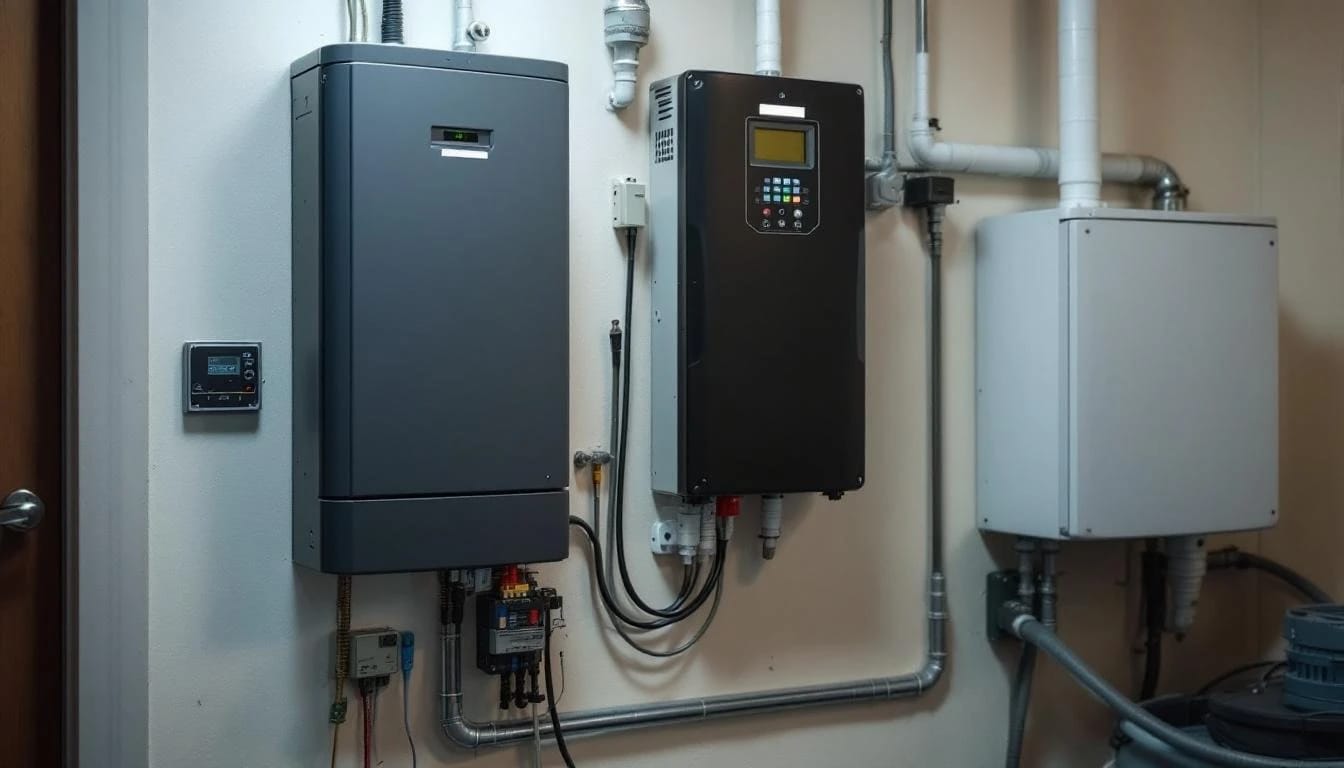
MPPT vs PWM Controller for Small Wind: Which to Buy and Why
MPPT controllers harvest 15-30% more energy than PWM in variable-wind conditions but cost 2-4× more. Choose MPPT for systems above 1 kW or battery banks over 400 Ah.
battery storage inverters
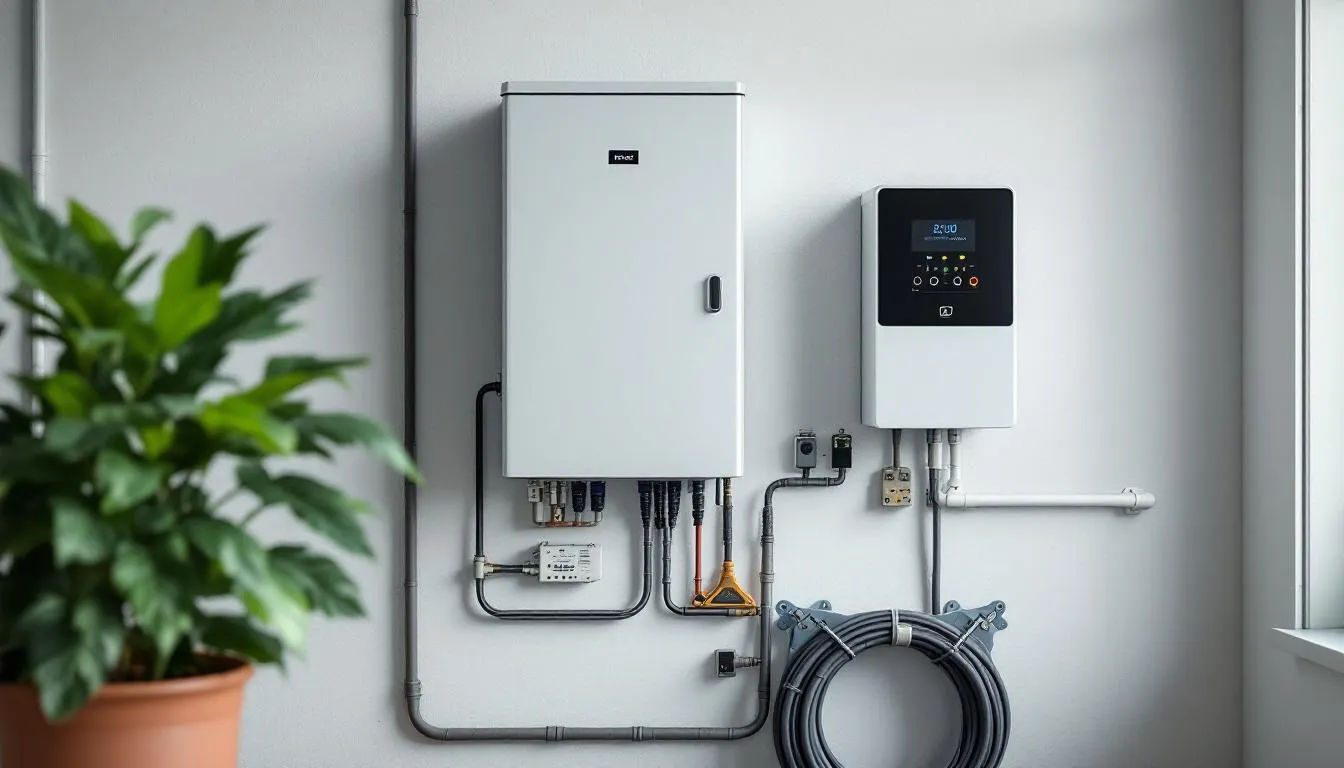
Best Battery Banks for Home Wind Turbines (LiFePO4, 2026)
Home wind turbines charge in irregular bursts, so battery chemistry matters as much as capacity. Here is why lithium iron phosphate leads on reliability.
battery storage inverters
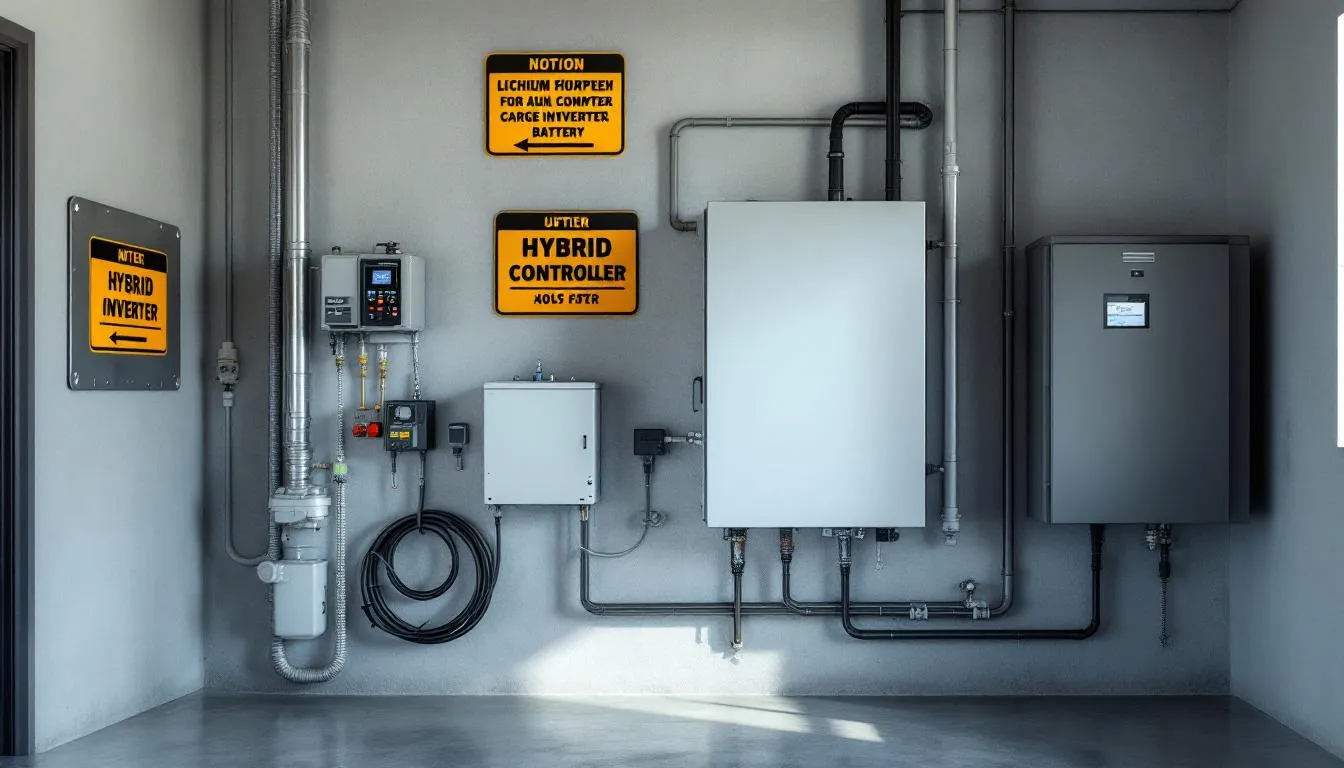
Off-Grid Wind Turbine Battery Setup: Complete System Guide
Complete guide to off-grid wind turbine battery systems covering charge controllers, battery banks, inverters, and load management for residential installations.
battery storage inverters
Home Wind Turbine Kits With Battery and Inverter (2026)
See how all-in-one home wind turbine kits bundle the turbine, battery bank and inverter, how to size each part, and what the installation actually involves.
Frequently asked questions
- Lithium or lead-acid for a wind system?
- Lithium (LiFePO4) offers more usable capacity, longer cycle life, and better cold-weather options, at a higher upfront cost. Flooded or AGM lead-acid is cheaper and tolerant but heavier and shorter-lived. For most new off-grid wind builds, lithium's lifetime cost now often wins.
- What system voltage should I use — 12, 24, or 48 V?
- Higher voltage means lower current, thinner cables, and less loss, so 48 V is preferred for whole-home and larger systems; 12 V suits tiny loads (RVs, boats). Choosing 24 V or 48 V early avoids expensive rewiring as the system grows.
- Why does a wind turbine need a dump load?
- Because an unloaded turbine can overspeed and destroy itself. When the batteries are full, a diversion or dump-load controller sends excess power to a resistive load (like a water or air heater), keeping the rotor braked and the system safe.